



Expert Advice on Balanced Eating Habits to Support Health During Fasting
- 23 Feb 2026 12:58 WIB
- Voice of Indonesia
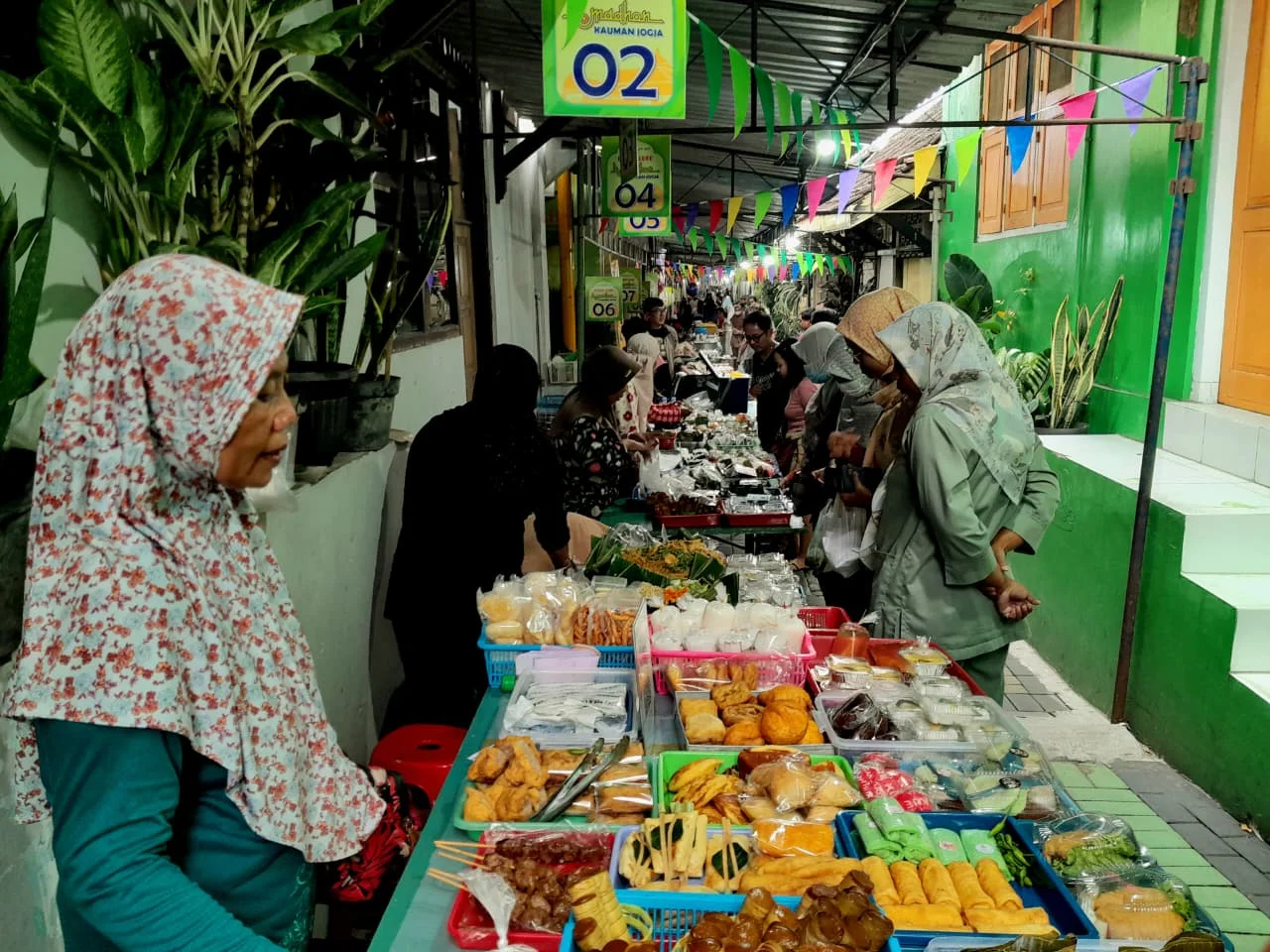
RRI.CO.ID, Jakarta - Trina Astuti, Professor of Nutrition at the Jakarta II Health Polytechnic of the Ministry of Health, reminded us that what we eat while fasting has a big impact on our physical health.
When breaking the fast, a stomach that has been empty for over eight hours has to be slowly "prepared." Health issues can result from unbalanced meals and portion sizes, and these problems can sometimes linger.
"You should eat slowly to prevent a shock to your stomach while breaking a fast that has lasted longer than eight hours on an empty stomach. After the Maghrib prayer, consume your main meal after having dates, water, or warm sweet tea. This approach helps the body absorb energy gradually, avoiding blood sugar increases or digestive issues," said Trina in Jakarta on Monday, February 23, 2026, as quoted by Antara.
She also emphasized the importance of choosing foods that suit each person's health condition. For example, people with diabetes are advised to choose carbohydrate sources with a low glycemic index (below 55), such as basmati rice, brown rice, oats, whole wheat bread, or whole wheat pasta. Protein intake should also be balanced between plant and animal protein, and supplemented with fruits and vegetables as sources of fiber.
Managing portions is also important. Carbohydrate servings should be smaller during suhoor (pre-dawn meal), and protein intake should be higher when breaking the fast. The 2-4-2 regimen (two glasses at suhoor, two glasses when breaking the fast, and four glasses at night) can help you stay hydrated.
"To meet your daily water needs during fasting, regulate your drinking pattern. For example, two glasses when breaking the fast, four glasses at night, and two glasses at suhoor. Tea and coffee should also be avoided as they can trigger dehydration and stomach problem," she said.
Additionally, early identification can help you be ready for any potential health dangers. Head of Public Relations for Social Security Agency for Health (BPJS Kesehatan), Rizzky Anugerah, advised the public to make use the Health History Screening feature on the National Health Insurance (JKN) Mobile Application.
This annual health screening, intended for JKN participants aged 15 and above, is performed to determine their potential risk of chronic disease. If the results indicate a risk, participants will be referred to a Primary Health Facility (FKTP) for further examination and treatment.
"Through the Health History Screening, people can determine their health condition and whether they are at risk of developing chronic disease. This screening is conducted once a year, but it has a significant impact on the community's future health. The sooner a participant's risk of developing a chronic disease is identified, the sooner treatment can be provided. This signifies that early detection improves the participant's likelihood of stopping the course of their illness from getting worse," said Rizzky.
In this screening, JKN participants are directed to complete a series of questions to determine whether they are at risk of developing a chronic disease. The process can be completed via the JKN Mobile App, via the PANDAWA WhatsApp chat at 08118165165, via the official BPJS Kesehatan website, or by visiting the FKTP in person.
Rizzky urges the public to verify their JKN membership status as a safety precaution in case treatment is required. Your JKN membership status may be verified at the closest BPJS Kesehatan office, through the BPJS Kesehatan Care Center 165, the JKN Mobile App, or PANDAWA.
"Check your JKN membership status while you're still in good health. Although the procedure is quick, it's crucial to prevent issues if you become ill unexpectedly," advised Rizzky. ***
News Recomendation
Loading latest news.....