



Emaciated Orangutan Rescued from Drought-Hit East Kalimantan
- 18 Sep 2026 13:51 WIB
- Voice of Indonesia
Key Points
- A 20-year-old male orangutan weighing just 25–30 kilograms was rescued from a drought-stricken plantation in Kutai Kartanegara.
- BKSDA Kaltim and conservation partners provided emergency treatment before the orangutan undergoes rehabilitation for eventual release.
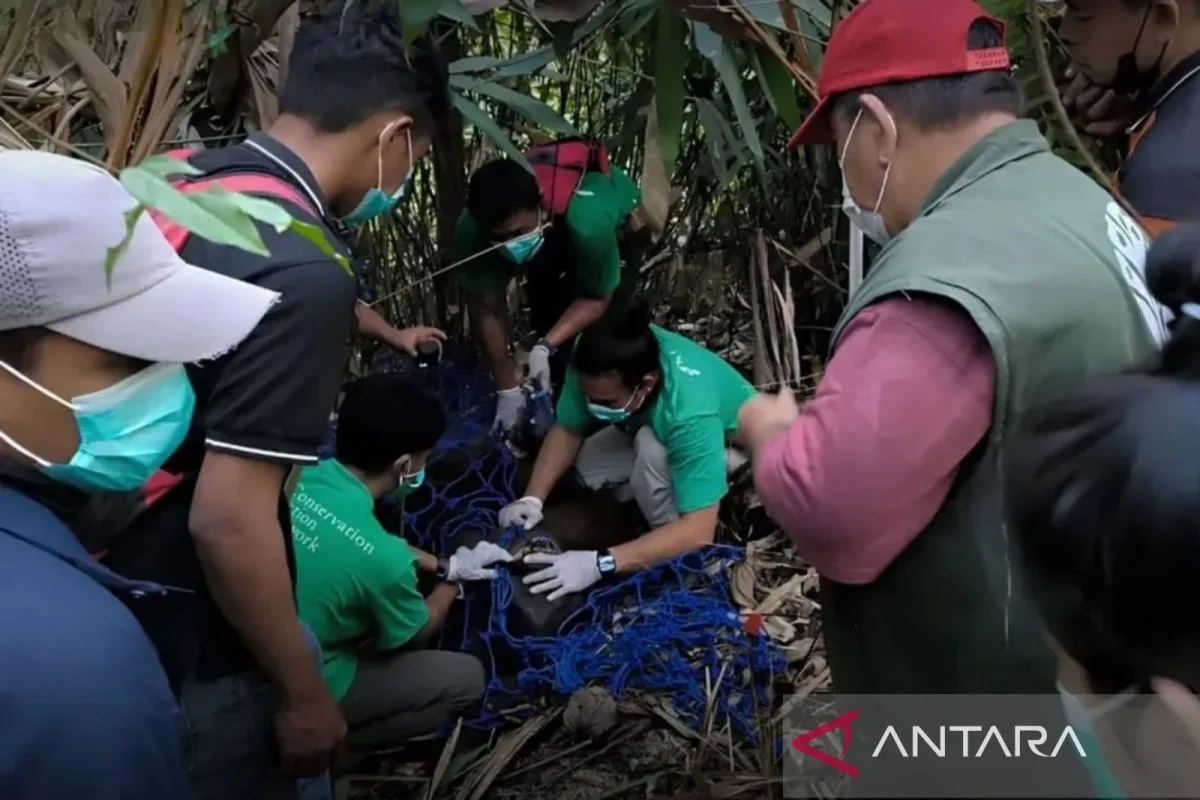
RRI.CO.ID, Samarinda - A severely emaciated and dehydrated male orangutan was rescued from an isolated plantation in Kutai Kartanegara Regency, East Kalimantan after severe drought dried up local water sources, nature conservation officials confirmed on Thursday, September 17, 2026.
The 20-year-old primate was discovered in the concession area of PT SHJ in Menamang Kanan Village, Muara Kaman Subdistrict. Officers noted that surrounding rivers had completely dried up, triggering an acute shortage of natural food and drinking water for local wildlife.
"When evacuated, the male orangutan’s physical condition was extremely emaciated, weighing only around 25 to 30 kilograms compared to the normal size, an adult male orangutan typically weighs between 50 and 90 kilograms in the wild," said Head of the East Kalimantan Natural Resources Conservation Center (Kaltim BKSDA), M. Ari Wibawanto, on Thursday, September 17, as quoted by Antara.
The rescue was initiated after the Kaltim BKSDA call center received an emergency report on Sunday, September 13. A joint team from the BKSDA Kaltim Wildlife Rescue Unit, conservation partner Conservation Action Network (CAN), and company management arrived on-site the following day to conduct the rescue.
The primate showed severe signs of dehydration and lethargy caused by prolonged water deprivation and deteriorating forest vegetation. Veterinarians from CAN administered emergency medical care on-site to stabilize his vital signs and restore body fluids.
"The emergency action was provided immediately to stabilize the animal's physical condition and restore body fluids," Ari said.
The orangutan remains under continuous medical monitoring until his health stabilizes. Once the critical recovery phase passes, the primate will undergo further rehabilitation before being released back into a safe wild habitat.
Ari praised the swift multi-stakeholder collaboration for giving the protected species a second chance at survival and urged the public to report sightings of distressed wildlife to prevent human-animal conflict. ***
News Recomendation
Loading latest news.....