



Air Pollution From Road Transport Poses Severe Health Risks in Indonesia
- 07 Agt 2026 14:46 WIB
- Voice of Indonesia
Key Points
- The International Council on Clean Transportation released a report highlighting severe health impacts from vehicle emissions in Indonesia.
- Heavy-duty vehicles generate over half of Indonesia's NOₓ and PM2.5 emissions despite making up only 2 percent of the total fleet.
- Large-scale electrification could prevent 800,000 premature deaths in Indonesia by 2050.
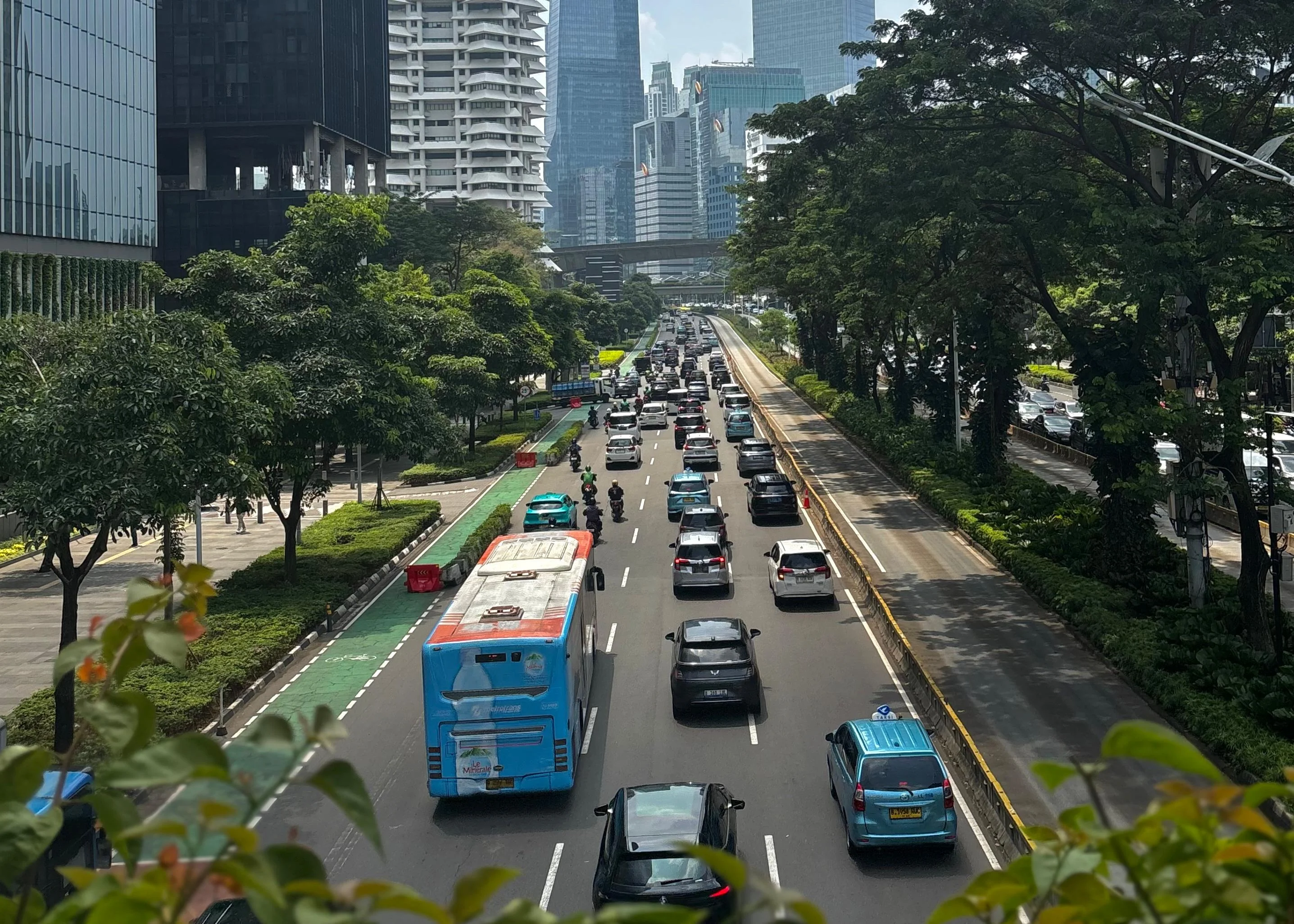
RRI.CO.ID, Jakarta – A new report by the International Council on Clean Transportation (ICCT) highlights the severe health toll of road transport emissions in Indonesia, stressing the urgency of a rapid shift to zero-emission vehicles.
The study Health Benefits of Zero-Emission Vehicles Through 2050 reveals that air pollution from road transport causes one premature death every 12 minutes and triggers a new childhood asthma case every 26 minutes in the country.
Globally, road transport alone contributes nearly half of the World Health Organization’s annual guideline for fine particulate pollution, making it a critical target for cross-sector efforts to improve air quality.
In Indonesia, the burden is particularly heavy, with 44,700 premature deaths and more than 19,800 new childhood asthma cases recorded in 2024. The country ranks second worldwide for childhood asthma linked to nitrogen dioxide emissions.
Heavy-duty vehicles are identified as the largest contributors. Although they account for just 2 percent of Indonesia’s fleet, they produce more than half of total NOₓ and PM2.5 emissions.
Lighter vehicles dominate emissions of VOC and CO. Addressing this dual challenge requires targeted policies to accelerate the adoption of zero-emission vehicles across all categories.
ICCT projects that extensive electrification could reduce premature deaths by 63 percent and childhood asthma cases by 80 percent by 2050. In Indonesia, this would prevent 800,000 premature deaths and 150,000 asthma cases, while globally averting more than 8 million deaths. Without intervention, transport-related mortality could rise by 74 percent by mid-century.
The study also warns of widening health inequalities. High-income countries are expected to see a decline in transport-related deaths under current policies, while middle- and low-income nations could face sharp increases. Under a large-scale electrification scenario, however, all income groups would experience significant reductions, narrowing global disparities.
“Extensive electrification is strong enough to break this link, preventing nearly 9 million premature deaths globally by 2050,” ICCT Senior Director Josh Miller said in a press release earlier this week.
A professor at the University of Indonesia's Faculty of Public Health, Budi Haryanto emphasized that air pollution remains a major health risk, especially for children.
He called for integrated policies across transport, energy, and air quality monitoring, stressing that cross-sector collaboration is essential to achieve cleaner air and better public health.
“Emission control must be pursued through coordinated transport, energy, and air quality policies. Cross-sector collaboration is essential to achieve cleaner air and better public health,” he said.
Complementary measures such as stricter emission standards, cleaner fuels, fleet renewal programs, retrofits, and low-emission zones could deliver immediate health benefits while accelerating electrification.
The findings place Indonesia at a pivotal moment. Expanding zero-emission vehicle adoption, tackling heavy-duty transport emissions, and strengthening cross-sector collaboration could transform public health outcomes while advancing climate goals. ***
News Recomendation
Loading latest news.....