



Natural Phenomenon Causes Mass Fish Die-Off in Bali's Lake Batur
- 03 Agt 2026 15:13 WIB
- Voice of Indonesia
Key Points
- BRIN identified natural lake mixing, which brought oxygen-depleted, hydrogen sulfide-rich water to the surface, as the likely cause of the recent mass fish die-off in Lake Batur.
- Researchers called for continuous water quality monitoring and laboratory analysis to improve early warning systems and support sustainable aquaculture management.
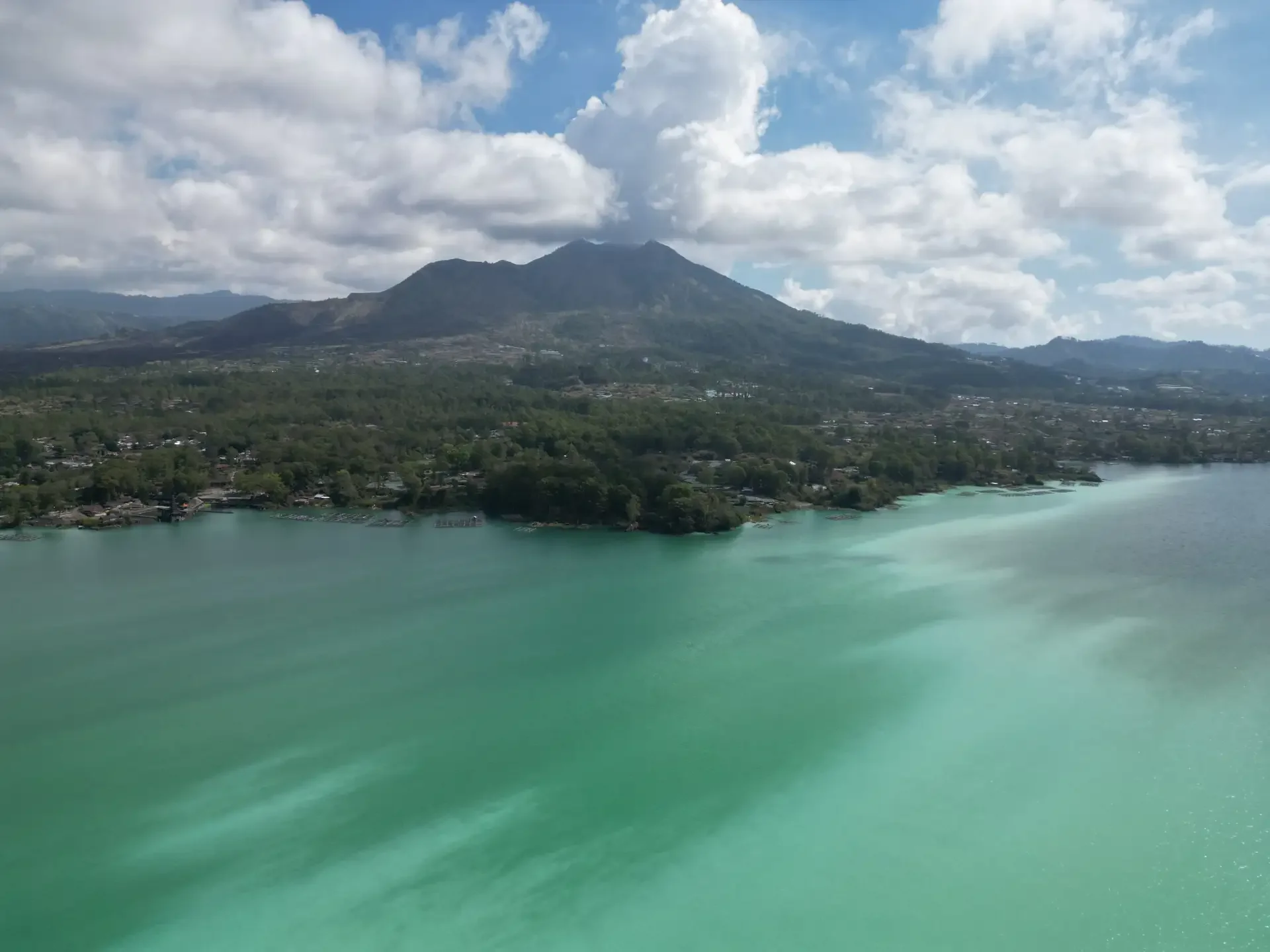
RRI.CO.ID, Jakarta - The National Research and Innovation Agency (BRIN) has issued a scientific assessment regarding the recent mass fish die-off in Lake Batur, Bali, which occurred in late July 2026. Field monitoring indicates that the incident was likely triggered by a natural phenomenon known as lake mixing, wherein deep, oxygen-depleted water layers rise and blend with surface waters.
During field observations, BRIN researchers recorded surface dissolved oxygen (DO) levels dropping to nearly 0 mg/L, accompanied by a strong smell of hydrogen sulfide (H2S).
As a polymictic volcanic lake, Lake Batur experiences water mixing multiple times per year, typically during June–August, late December, and February. When deep, anoxic waters containing accumulated sulfides mix with surface layers, the chemical reaction consumes remaining oxygen and releases toxic hydrogen sulfide into fish habitats.
Researchers noted that while lake mixing is a naturally recurring process, its impact varies depending on weather patterns, hydrodynamics, and organic material buildup. BRIN emphasized the necessity of implementing continuous water quality monitoring systems to establish early warning mechanisms and support adaptive management policies for local aquaculture and ecosystem health.
Research scientists underscored that multi-parameter laboratory analysis is essential to fully understand the ecological dynamics and mitigate the impacts of seasonal lake turnover.
Biogeochemistry researcher at BRIN's Limnology and Water Resources Research Center, Sulung Nomosatryo, explained the chemical mechanism driving the die-off while calling for thorough investigation.
"The presence of an H2S odor indicates that water from the lower layers likely surged to the surface, however, we cannot immediately conclude that sulfide was the sole cause of the fish mortality. Laboratory analysis and a comprehensive review of all water quality parameters are required to understand this incident in its entirety," Sulung said in Jakarta on Sunday, August 2, 2026, as quoted on BRIN's official website.
Lake hydrodynamics researcher at BRIN, Arianto Budi Santoso, highlighted the unique chemical composition of Lake Batur due to its volcanic surroundings.
"Because Lake Batur is a volcanic lake located near Mount Batur, its sulfur compound content is relatively higher compared to many other lakes, under anoxic conditions, sulfate at the lake bottom transforms into sulfide. When water mixing occurs, that sulfide rises to oxygenated layers and oxidizes back into sulfate, further consuming the lake's dissolved oxygen reserves," Arianto explained. ***
News Recomendation
Loading latest news.....