



Proboscis Monkey Population in Mount Kentawan Karst Area Surges to 102
- 20 Jun 2026 10:26 WIB
- Voice of Indonesia
Key Points
- The proboscis monkey population in Mount Kentawan Nature Reserve increased from 46 individuals in 2013 to 102 in 2026.
- Researchers recorded eight groups living in the karst ecosystem, highlighting the success of long-term habitat conservation efforts.
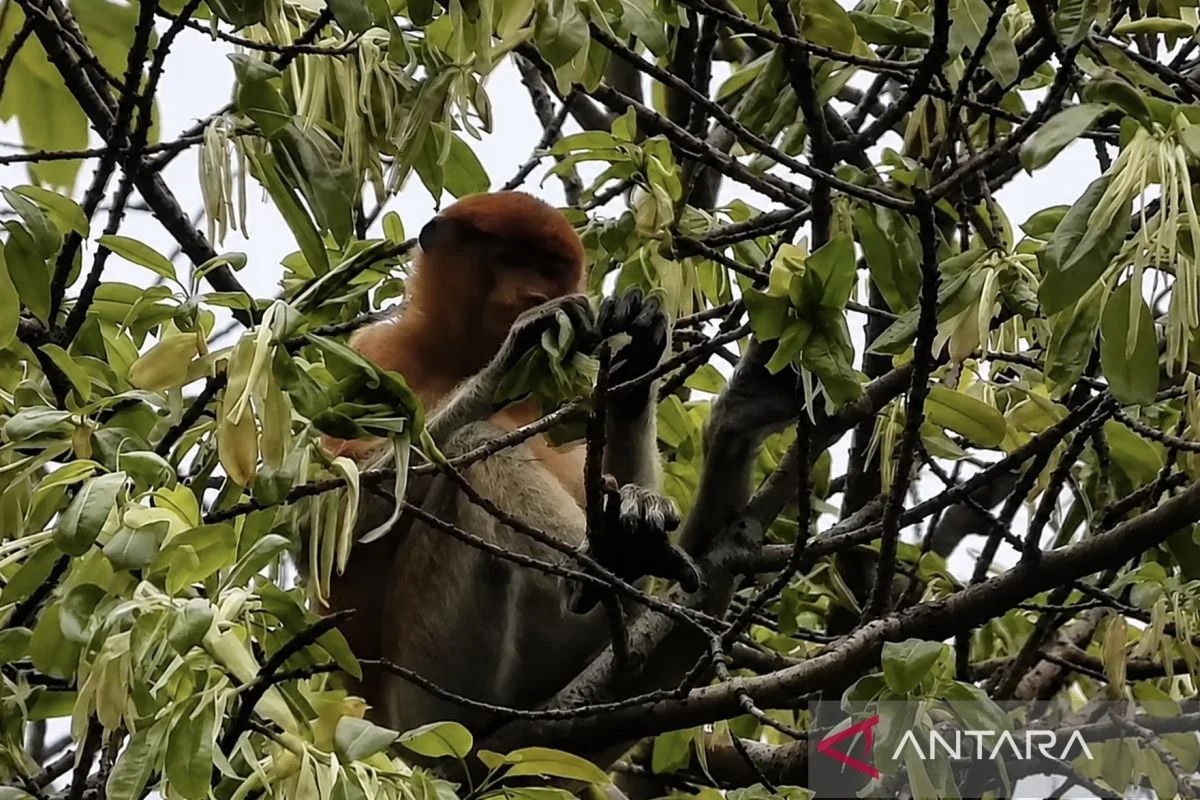
RRI.CO.ID, Banjarmasin - The South Kalimantan Natural Resources Conservation Agency (BKSDA Kalsel) has documented a remarkable demographic boom in the proboscis monkey (Nasalis larvatus) population within the Mount Kentawan Nature Reserve, located in Hulu Sungai Selatan Regency, South Kalimantan.
According to official conservation registries, the population of the iconic, long-nosed primate has more than doubled, climbing from 46 individuals in 2013 to 102 individuals in 2026.
Head of BKSDA Kalsel, Agus Ngurah Krisna, confirmed the positive ecological development on Monday, June 15, 2026, noting that the steady population growth serves as clear proof that the local habitat remains highly secure and well-managed.
"The latest monitoring results found eight groups of proboscis monkeys inhabiting the Mount Kentawan Nature Reserve area, with the number of individuals in each group ranging from two to 22," he said, as quoted by Antara.
The flourishing presence of the proboscis monkeys on Mount Kentawan marks a highly significant discovery for regional primatologists. Typically, the endemic Bornean species is heavily associated with lowland riverbanks, coastal mangroves, and peat swamp forests.
However, the Mount Kentawan colony has demonstrated remarkable ecological resilience, successfully adapting and breeding within a mountainous terrain dominated by rugged karst limestone formations and dipterocarp forests.
"The Mount Kentawan Nature Reserve is one of the monitoring locations for mountainous proboscis monkey habitats in South Kalimantan. Population monitoring is carried out periodically as a conservation effort and to evaluate the condition of wildlife habitats in the area," he explained.
In their daily routines, these specialized mountain-dwelling monkeys navigate the rocky terrain by swinging from tree to tree across high cliffs and limestone crags. To survive away from coastal waterways, the primates rely on a varied upland diet, foraging primarily on young leaves from the Ficus family, alongside birik, rubber, and taun leaves natively available throughout the reserve.
Krisna emphasized that the population expansion over the past 13 years serves as a reliable indicator that the ecological functions of the nature reserve are operating efficiently. It also reflects the success of sustained habitat protection programs run by the state and local communities.
The agency head noted that the thriving wildlife population underlines the delicate connection between topography and biodiversity, as mountain slopes provide a crucial sanctuary for high-value conservation species that balance the wider ecosystem.
Moving forward, the agency remains dedicated to keeping these remote zones protected from illegal logging and human encroachment to guarantee a secure environment for future generations of native fauna.
"BKSDA Kalsel continues to push for the protection of conservation areas, including the Mount Kentawan Nature Reserve, to maintain the sustainability of wildlife habitats and ensure that biodiversity remains preserved for future generations," Agus said. ***
News Recomendation
Loading latest news.....