



Indonesia Faces Rising Fire Risk as 81,000 Hectares Burned amid El Niño
- 19 Jun 2026 16:07 WIB
- Voice of Indonesia
Key Points
- Indonesia has recorded 81,000 hectares of burned land in 2026, driven largely by extreme heat associated with the developing El Niño phenomenon.
- Authorities attribute the increase in forest and land fires to a moderate-level El Niño event that has intensified dry conditions across parts of Indonesia.
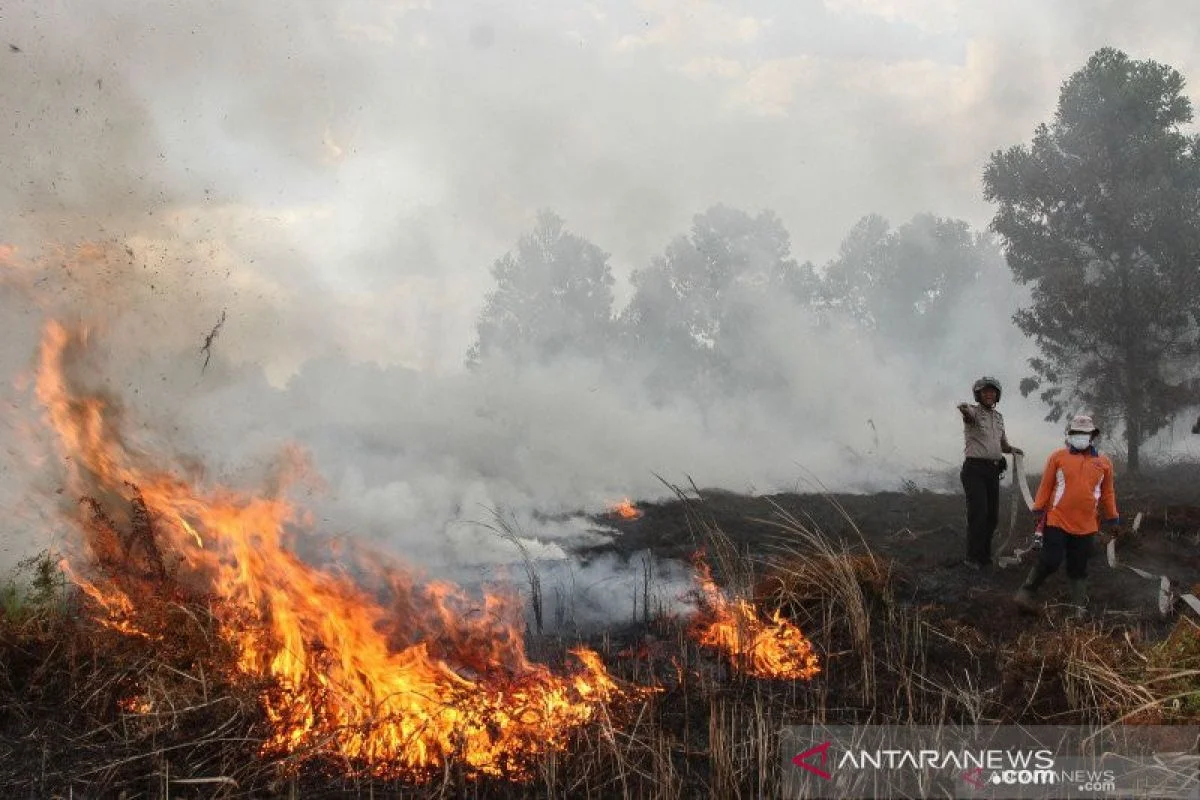
RRI.CO.ID, Jakarta - Indonesia is confronting a growing wildfire threat after intense heat linked to the developing El Niño event scorched 81,000 hectares of land so far this year. In response, central and regional authorities are launching coordinated emergency measures to tackle the crisis.
"According to our data update as of May, 81,000 hectares of land have been declared burned," said Forestry Minister, Raja Juli Antoni, at a press conference following the 2026 Special Coordination Meeting on Forest and Land Fire Control in Jakarta on Thursday, June 18, 2026.
The minister said the burned area exceeds last year’s figures and is closely tied to El Niño, which has reached a moderate level. He warned the situation could worsen in the coming months.
"Of course, the threat will be even greater from July to October," said Minister Raja Juli, as quoted by Antara.
To counter the escalating risk, the central government and local administrations have consolidated response plans. Measures include cloud-seeding operations, construction of canal blockades, and other tactical interventions intended to prevent fire spread and protect vulnerable landscapes.
"God willing, if all stakeholders can continue to work well. If God willing, we will be able to win the fight against forest and land fires," added the minister, expressing cautious optimism that coordinated action across stakeholders can contain the outbreaks.
Officials stress that the window from July to October will be critical. Authorities are urging communities in high-risk provinces to heighten vigilance, adhere to no-burn regulations, and cooperate with firefighting teams.
The government also signaled plans to intensify monitoring and rapid-response capabilities to detect and suppress new hotspots before they escalate.
Environmental analysts say the current situation underscores how climate variability amplifies fire risk. To reduce vulnerability in future El Niño cycles, they have called for long-term strategies, such as restoring peatlands, improving land-use management, and bolstering local firefighting capacity. ***
News Recomendation
Loading latest news.....