



East Kalimantan Boosts Mangrove Protection to Strengthen Coastal Resilience
- 12 Jun 2026 17:05 WIB
- Voice of Indonesia
Key Points
- The East Kalimantan provincial administration is drafting the 2026 Mangrove Ecosystem Protection and Management Plan (RPPEM) to serve as a long-term, macro-scale framework for sustainable coastal zone development.
- Protecting East Kalimantan’s 240,000 hectares of mangrove forests is vital for mitigating coastal erosion and securing blue carbon sinks, which are essential for both global climate resilience and local community livelihoods.
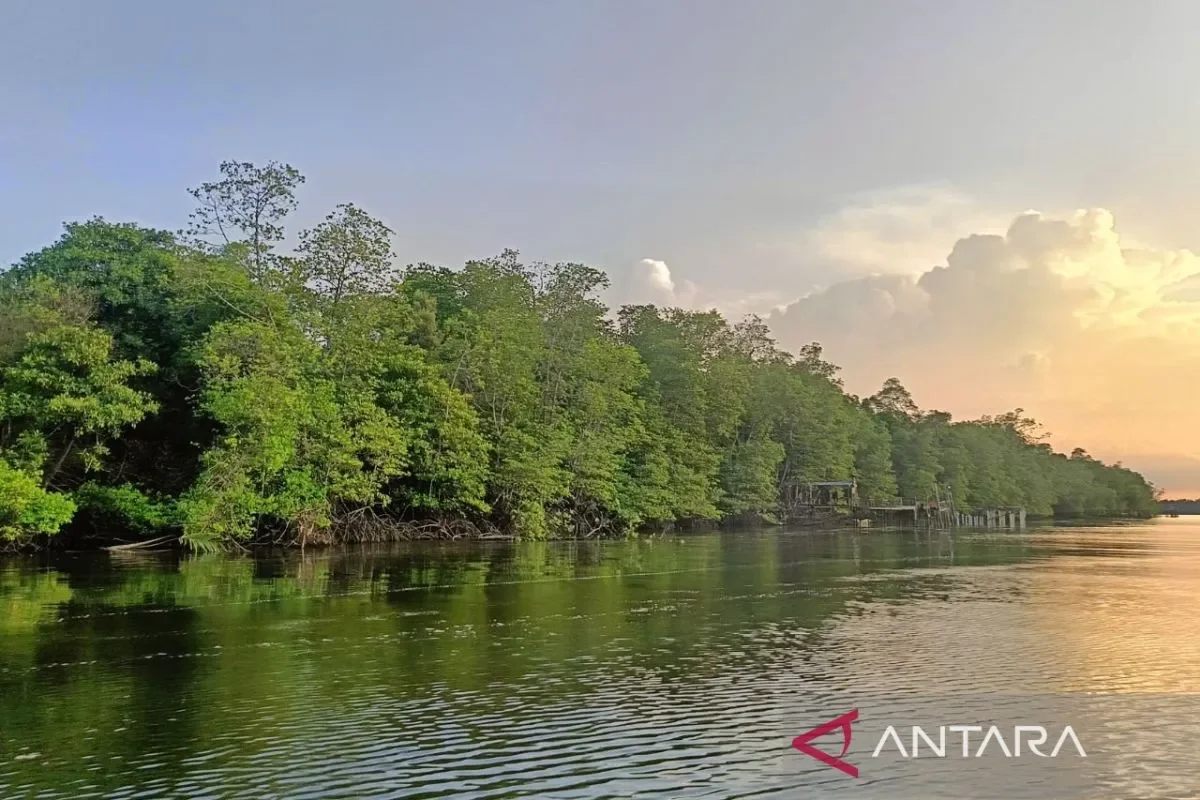
RRI.CO.ID, Samarinda - East Kalimantan is moving to cement its coastal resilience by strengthening management and protection of its extensive mangrove ecosystems, positioning the forests as a frontline defense against climate change and coastal erosion.
The provincial administration is drafting a Mangrove Ecosystem Protection and Management Plan (RPPEM) to guide long-term, macro-scale planning for the region’s coastal zones.
"We are preparing the Mangrove Ecosystem Protection and Management Plan (RPPEM) not merely to meet regulatory obligations. Instead, it serves as a crucial instrument to ensure that development in East Kalimantan’s coastal areas proceeds in line with sustainability principles,” said Head of the East Kalimantan Environmental Agency, Joko Istanto, in Samarinda on Friday, 12 June 2026.
The 2026 RPPEM document under development will set the policy direction, strategies, and program plans for the sustainable protection and use of mangrove green infrastructure. Officials emphasize the urgency of this initiative, noting that while East Kalimantan possesses a vast coastline and abundant mangrove potential, it faces growing pressures from economic activity and global climate change.
Latest data indicate mangrove forests in East Kalimantan exceed 240,000 hectares. Beyond buffering coastal erosion, mangroves are vital carbon sinks within the blue carbon ecosystem, functions that support both environmental health and community livelihoods.
To make the RPPEM practical and responsive to local conditions, the provincial administration has engaged cross-sector stakeholders, including regional agencies, academics, environmental NGOs, and coastal community representatives.
The Environmental Agency’s working group on environmental governance is currently focused on mapping existing mangrove conditions, assessing environmental carrying capacity, and defining clear management responsibilities from site level to the province.
“From that integrated program, economic uses of mangroves, such as ecotourism and non-timber forest products, can develop without sacrificing their primary ecological roles as global carbon absorbers and coastal protectors,” said Joko, as quoted by Antara.
By formalizing management arrangements and combining technical mapping with participatory governance, East Kalimantan aims to balance conservation with sustainable local development, strengthening both ecological resilience and community benefits along its shores. ***
News Recomendation
Loading latest news.....