



Haruai Bird, King of Kahung Forest in South Kalimantan
- 08 Jun 2026 11:25 WIB
- Voice of Indonesia
Key Points
- Amalia Rezeki and the ULM team are researching the great argus bird in the Kahung forest, South Kalimantan.
- The Kahung forest is part of the Meratus UNESCO Global Geopark and supports conservation and ecotourism efforts.
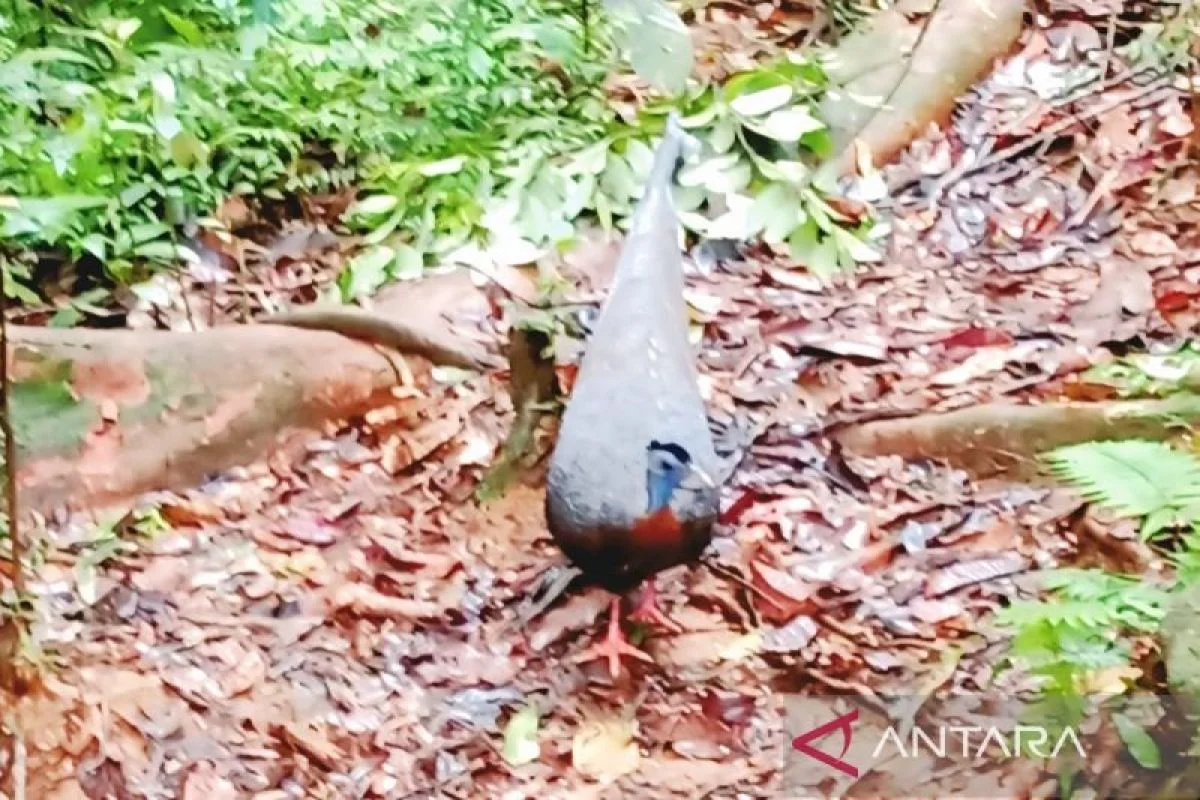
RRI.CO.ID, Banjarmasin - A research team from Universitas Lambung Mangkurat (ULM), led by ULM conservation biologist Amalia Rezeki, has launched a scientific study on the biodiversity of the Kahung forest in Belangian Village, Banjar Regency, South Kalimantan.
The pristine forest is known to be the habitat of the great argus (Argusianus argus). Locally known as the kuau raja or haruai bird, it is often celebrated by local residents as the peacock of the Kahung forest".
The research initiative serves as a crucial field framework for mapping and monitoring endangered local fauna. "We, together with the Indonesian Center for Biodiversity Studies and Conservation, conducted a field study to track the presence of the kuau raja in order to collect data," said Amalia Rezeki, affectionately known as Amel, on Sunday, June 7, 2026, as quoted by Antara.
According to her, the documented appearance of the great argus is highly encouraging. Its presence serves as a vital biological indicator of the overall health of the tropical rainforest ecosystem in the area. Furthermore, she emphasized that the haruai bird is a key biodiversity asset within the Kahung forest, which is officially recognized as a Meratus UNESCO Global Geopark site.
From a biological standpoint, the great argus possesses distinct and highly specialized characteristics, particularly in its unique courtship behavior. Amel explained that the male bird meticulously prepares a section of the forest floor by clearing away fallen leaves to create a dedicated space known as a mating ring.
Once the stage is cleared, the male performs a silent dance, unfurling its broad wings into a fan shape covered in patterns that resemble hundreds of eyes to captivate the female.
The species exhibits clear sexual dimorphism in both size and physical appearance. Male great argus birds can grow between 120 and 200 centimeters in length, with tail feathers extending over one meter long.
During courtship displays, the males spread these feathers into a massive fan patterned with eye-like markings to attract females. In contrast, the female great argus is significantly smaller, averaging around 75 centimeters in body length.
The community of Belangian Village plays an active role in safeguarding the bird's natural habitat. Village Head of Belangian, Aunul, confirmed that residents have recently reported frequent sightings of the great argus at elevations between 500 and 700 meters above sea level (MDPL).
He noted that the local community observes specific traditional rituals designed to care for nature, which are deeply intertwined with the preservation of the bird through generational local wisdom.
Sharing a similar sentiment, Chairman of the Kahung Raya Tourism Awareness Group (Pokdarwis), Dayat, which manages the ecotourism operations in the Kahung forest, explained that the haruai bird holds a deep cultural value beyond its aesthetic appeal. Local communities have long believed in the practical benefits of collecting the bird's naturally shed feathers from the forest floor.
"The community uses its feathers as marabun material, the smoke of which is effective as a cure for pests and diseases in mountain rice plants in the village," Dayat revealed.
He expressed hope that this environmental awareness will extend beyond the borders of Belangian Village. He urged outside visitors and the wider public to join hands in preserving the region's rich biodiversity, particularly the haruai bird. By doing so, future generations will be able to witness the majestic creature in its natural habitat rather than just hearing about it in stories. ***
News Recomendation
Loading latest news.....