



Karawang Probes Mass Fish Die-Off in Primary Irrigation Canals
- 02 Jun 2026 17:35 WIB
- Voice of Indonesia
Key Points
- The Karawang Environmental Agency launched an investigation into a mass fish die-off in the regency’s primary irrigation canal on June 2, 2026.
- Residents first reported large numbers of dead fish floating in the canal on June 1, with the situation worsening the following day.
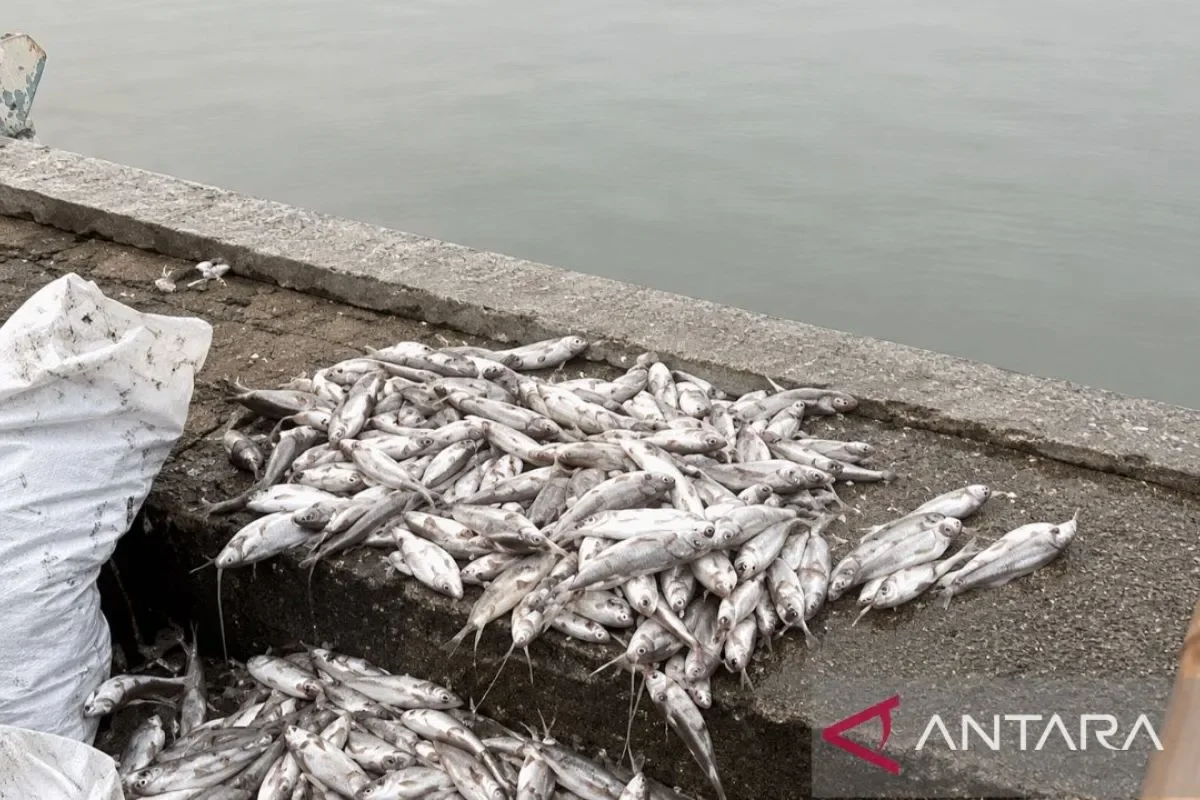
RRI.CO.ID, Karawang - Local environmental authorities have launched an urgent investigation in West Java following a massive ecological disruption along a vital agricultural irrigation canals. The Karawang Environmental Agency deployed rapid-response personnel on Tuesday, June 2, 2026, to investigate a sudden mass die-off of various freshwater fish species across multiple sections of the regency’s primary irrigation canal.
Local residents first sounded the alarm early in the week after noticing an alarming number of carcasses drifting down the waterway, raising immediate concerns over potential industrial contamination. Ujang, a resident of Guro in the East Karawang Subdistrict, noted that the situation had rapidly deteriorated within a 24-hour window.
"Since yesterday, there have been many dead fish floating in the irrigation canal and today we see even more dead fish," said Ujang, on Tuesday, recalling the first time he saw floating fish on Monday night, June 1, 2026.
As reported by Antara, the ecological fallout spans several critical choke points of the primary canal, including Tanggul Johar in the Karawang Wetan neighborhood and areas bordering the CKM residential complex.
The die-off has blanketed the banks of the canal with various native freshwater species, including silver barb (tawes), catfish (baung), and notably, the highly resilient suckermouth catfish (sapu-sapu), which are historically known for surviving in highly degraded environments.
The phenomenon drew crowds of local residents to the water’s edge. While many gathered out of sheer curiosity to scoop the dead fish from the surface, several individuals reportedly harvested the carcasses to bring back to their homes, raising auxiliary public health concerns.
While community members strongly suspect that illicit industrial liquid waste dumping triggered the sudden die-off, official sources remain cautious until laboratory results are finalized. The regional administration confirmed that field technicians have already successfully isolated both biological and water samples from the affected zones to trace the root cause.
"Several of our officers have gone to the location and taken air samples and samples of the dead fish. We don't yet know the cause because the area is still sealed," said the Head of the Karawang Environmental Agency, Asep Suryana.
The investigation aims to determine whether chemical pollutants, sudden dissolved oxygen depletion, or other environmental anomalies led to the severe aquatic mortality, with local authorities promising transparency as the laboratory results emerge. ***
News Recomendation
Loading latest news.....