



Researchers Discover 14 Mangrove Species in South Kalimantan Forest
- 02 Jun 2026 10:36 WIB
- Voice of Indonesia
Key Points
- Researchers from Lambung Mangkurat University identified 14 mangrove species and six associated flora species in a conservation forest in Kotabaru Regency.
- The study found healthy natural mangrove regeneration, supporting coastal protection, marine biodiversity, and long-term wetland conservation efforts.
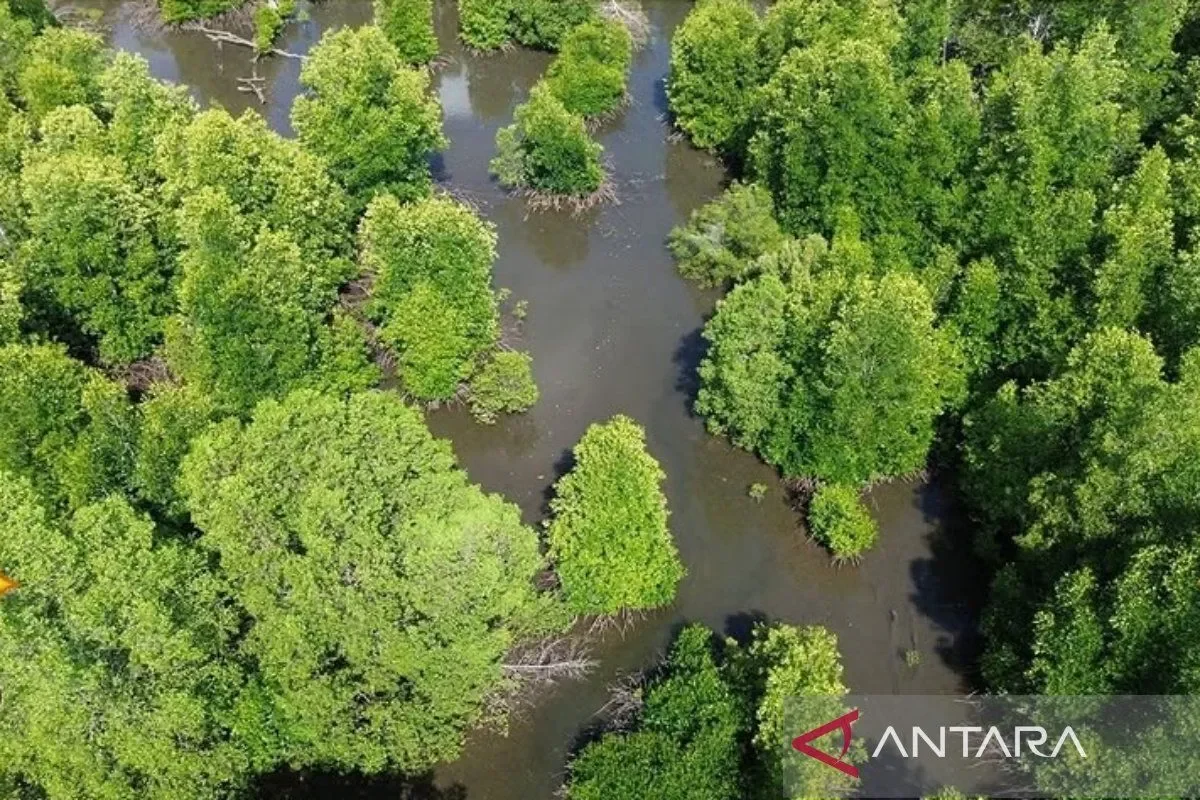
RRI.CO.ID, Banjarmasin - A research team from Lambung Mangkurat University (ULM) has identified 14 distinct species of mangroves thriving within a designated forestry concession in Kotabaru Regency, South Kalimantan. Conducted by the university’s Wetland Environment Academic Support Unit (UPA), the biodiversity mapping project underscores the ecological richness of the region’s coastal ecosystems.
The comprehensive survey documented a diverse botanical lineup including Acrostichum aureum, Avicennia officinalis, Terminalia catappa, Bruguiera cylindrica, Ceriops decandra, Xylocarpus granatum, Lumnitzera littorea, Lumnitzera racemosa, Nypa fruticans, Rhizophora apiculata, Rhizophora mucronata, Rhizophora stylosa, Senna siamea, and Sonneratia alba.
Alongside these primary mangrove varieties, scientists also recorded six associated flora species growing naturally within the habitat. ULM Vice Rector for Cooperation, Public Relations, and Information Systems, Yusuf Azis, noted that the co-existence of these species points toward a highly stable and resilient ecosystem structure.
"These various mangrove species were discovered during mangrove biodiversity identification activities," he said in Banjarmasin on Monday, June 1, 2026, as quoted by Antara.
According to the university’s findings, the identified mangrove forest exhibits a complete vegetation structure. The habitat seamlessly spans across all vital growth phases, ranging from vulnerable seedlings and developing stakes to fully matured trees.
"This condition is an important indicator that the natural regeneration of mangroves is proceeding well," Yusuf elaborated, pointing to the structural integrity of the forest.
| Baca juga: World Rhino Day Brings Hope to Ujung Kulon |
The high level of biodiversity plays a strategic role in maintaining the environmental equilibrium of South Kalimantan's coastline. Academic experts emphasize that these dense coastal networks provide critical buffers that shield shorelines from severe abrasion and ocean waves.
Furthermore, the mangrove canopy and root systems serve as indispensable nurseries for marine biota, directly sustaining the biological productivity of surrounding aquatic environments.
Through this rigorous identification process, ULM aims to establish a concrete foundation of scientific data to guide long-term, conservation-based zone management. The data will also be leveraged to cultivate public awareness regarding the urgent need to preserve vulnerable wetland habitats.
The surveyed area forms part of a broader 611-hectare production forest tract in Kotabaru Regency. Since mid-2024, ULM has held the official Forest Utilization Business License (PBPH) for the area, secured via the university's Berkah Wasaka Mandiri Cooperative.
Under the terms of the state-issued license, the university holds management rights over the ecosystem to spearhead critical environmental and community programs. The multi-use site is currently being developed to support large-scale carbon absorption and storage initiatives, sustainable aquaculture development, and eco-tourism.
Ultimately, the location serves as a premier educational venue and a primary field research hub dedicated to advanced wetland environmental studies. ***
News Recomendation
Loading latest news.....