



Bali’s Bedugul Botanical Garden Plants 100 Trees to Support Coastal Conservation
- 27 Mei 2026 22:13 WIB
- Voice of Indonesia
Key Points
- One hundred tree saplings were planted to preserve Bali's Nyanyi Beach area.
- The selected tree species hold deep religious, cultural, and medicinal value.
- The initiative highlights the necessity of collective action for conservation.
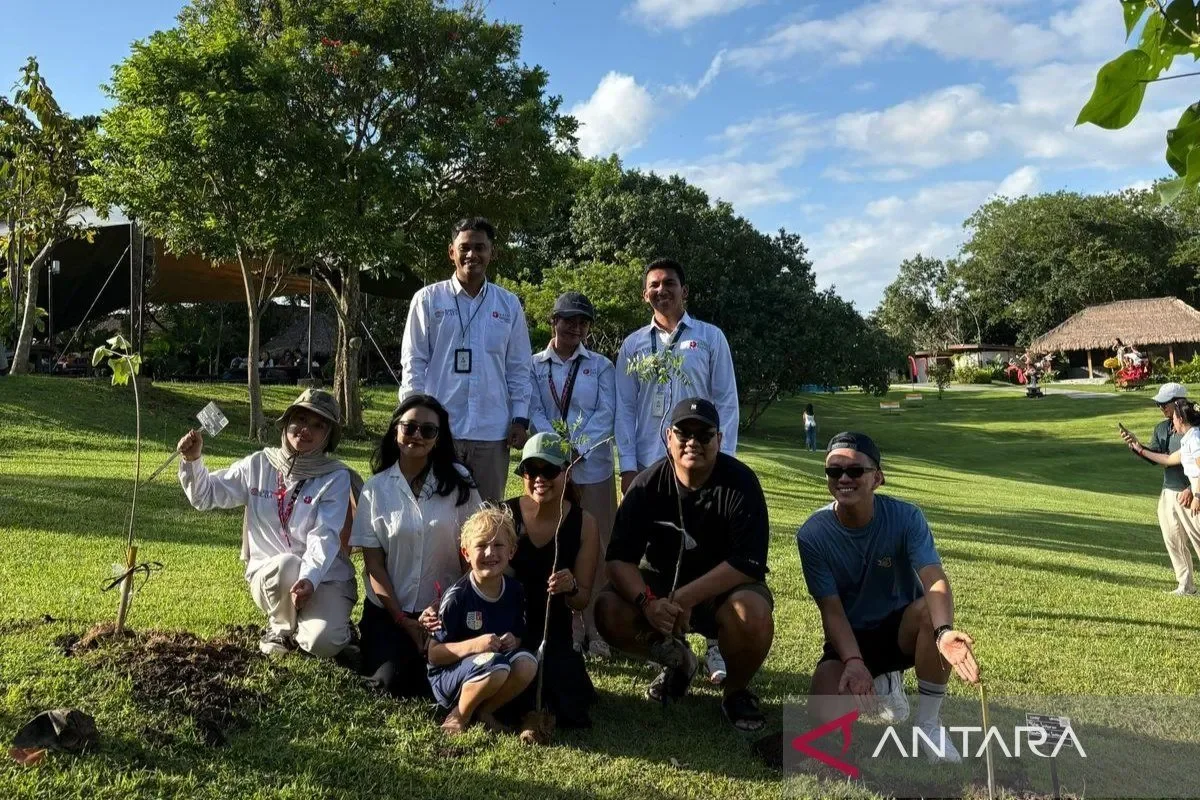
RRI.CO.ID, Denpasar - The Eka Karya Bedugul Botanical Garden in Bali has planted 100 tree saplings at Nuanu Creative City, Beraban Village, Tabanan Regency, Bali as part of efforts to preserve the environment around the Nyanyi Beach tourism area.
The initiative reflects a commitment to sustainability while reinforcing Bali’s cultural traditions. “We hope to support the creation of a greener, healthier, and more sustainable environment,” East Deputy of Horticulture at the Botanical Garden, Hadhiyyah N. Cahyono,, said in a press release received in Denpasar on Wednesday, May 27, 2026, as quoted by Antara.
"The trees planted are not only ecologically important but also serve religious and medicinal purposes in Balinese society," he added.
Three species were chosen for planting: majegau (Dysoxylum densiflorum), buni (Antidesma bunius), and yellow champaca (Magnolia champaca). Each of these trees carries unique cultural and health-related significance, making them valuable additions to the coastal landscape.
Majegau, from the Meliaceae family, is widely distributed across Southeast Asia, including Bali, Java, Sumatra, and the Philippines. In Bali, it plays a vital role in Hindu ceremonies and traditional medicine, with antibacterial and cytotoxic properties that support healing practices.
Buni, belonging to the Phyllanthaceae family, thrives in tropical and subtropical climates. Its leaves contain flavonoids, tannins, saponins, and alkaloids, offering anti-inflammatory, antioxidant, and antimicrobial benefits, and aiding collagen synthesis. Traditionally, it is used to treat rheumatism, pneumonia, digestive disorders, and parasitic infections.
Yellow champaca, from the Magnoliaceae family, originates in India and is widely found across Indo-China, Malaysia, Sumatra, and Java. Known for its fragrant flowers, it is used in traditional medicine for its antioxidant, antibacterial, and antimalarial properties, while in Bali the blossoms hold ceremonial importance in worship and rituals.
Hadhiyyah emphasized that conservation requires collective effort. “Environmental preservation cannot be carried out individually; it requires collaboration from various parties,” he said, underscoring the need for shared responsibility in sustaining Bali’s natural and cultural heritage. ***
News Recomendation
Loading latest news.....