



Indonesia’s 13 Seahorse Species Face Rising Trade Threats
- 18 Mei 2026 15:24 WIB
- Voice of Indonesia
Key Points
- Indonesia currently records 13 recognized seahorse species, with potential for more discoveries through ongoing marine research.
- Researchers warn that illegal and underreported trade makes accurate population monitoring extremely difficult.
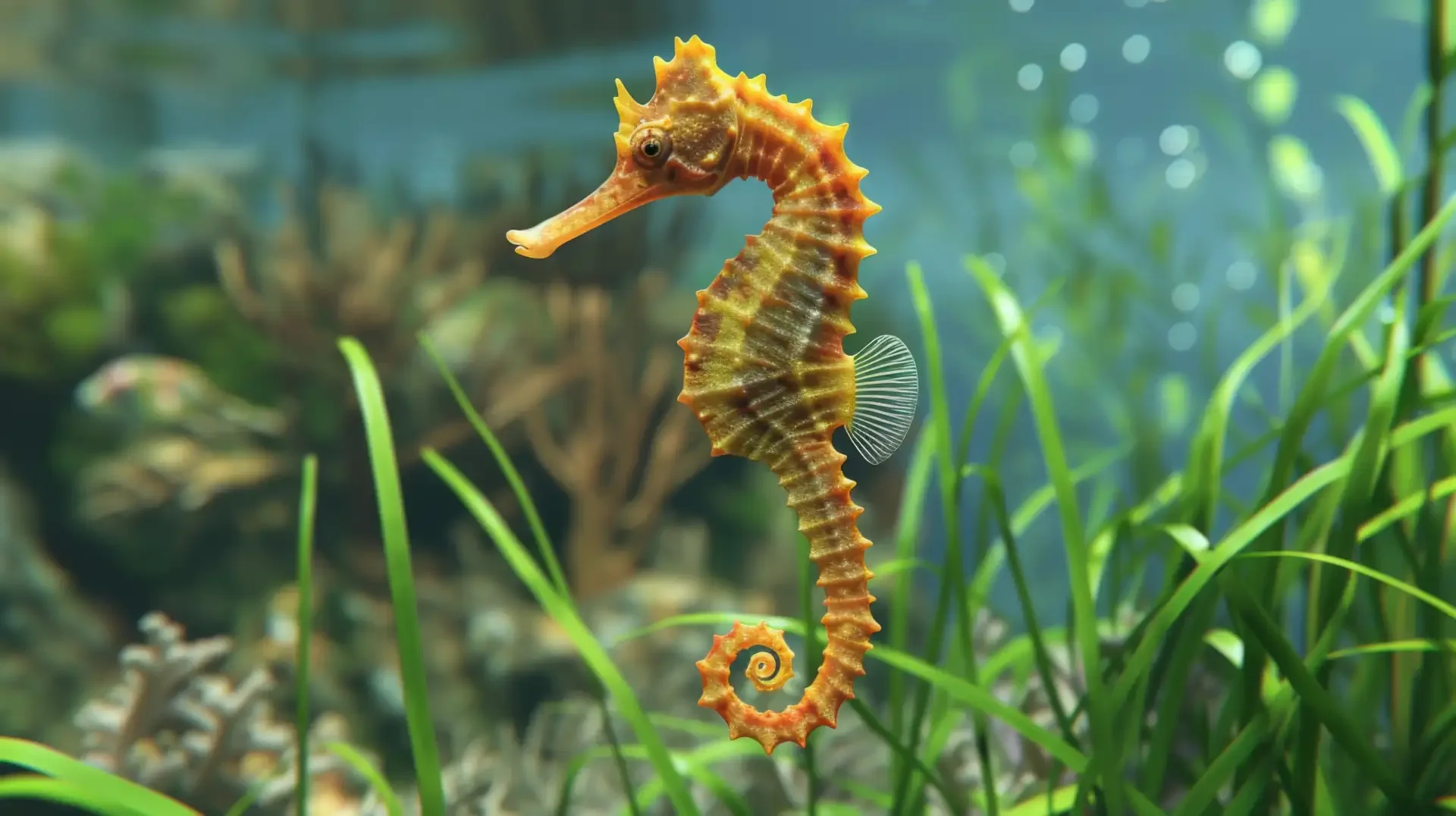
RRI.CO.ID, Jakarta - With its vast marine biodiversity, Indonesia serves as the natural habitat for 13 recognized seahorse species across its national waters. However, researchers warn that this number is fluid, with significant potential for expansion as marine taxonomy and exploration advance.
Speaking at a workshop titled Coastal Communities' Perspectives in Supporting Seahorse Sustainability in Indonesian Fisheries at the B.J. Habibie Building in Jakarta, on Monday, May 18, 2026, a Junior Researcher at the Research Center for Biosystematics and Evolution under the National Research and Innovation Agency (BRIN), Masayu Rahmia Anwar Putri, underscored both the richness and vulnerability of these marine creatures.
“In Indonesia, there are 13 seahorse species, but that's just for now. Over time, that number could continue to grow,” Masayu explained, as quoted on BRIN's official website.
Several of Indonesia's endemic and regional seahorse populations are categorized globally and nationally under varying threat tiers, ranging from vulnerable and endangered to critically endangered.
A primary obstacle preventing effective conservation is a severe deficit in reported data regarding the collection and trade of seahorses. This lack of transparency makes evaluating actual population sizes exceptionally difficult.
To curb overexploitation, any international trade of live or dried seahorses must legally be accompanied by Non-Detriment Findings (NDF) documentation. This protocol verifies that the export will not endanger the survival of the species in the wild.
"If utilization and trade go unreported, we simply do not know the actual condition of the wild population," Masayu warned.
The economic driving force behind this under-the-radar trade is staggering. Dried seahorses are highly sought after for traditional medicine and souvenirs, fetching market values between IDR 1 million to IDR 8 million per kilogram. Because of their light weight, a single kilogram can represent hundreds or even thousands of individual seahorses.
“Imagine if an entire village harvests seahorses; we will no longer find them in that region,” she cautioned.
Compounding the threat of trade is the rapid destruction of coastal ecosystems. Seahorses are uniquely fragile because they are notably weak swimmers.
They rely entirely on prehensile tails to anchor themselves to seagrasses, macroalgae, and coral reefs to avoid being swept away by strong ocean currents. When these shallow-water habitats are damaged by human activity or coastal degradation, seahorse populations suffer immediately.
Despite their biological vulnerabilities, seahorses possess fascinating reproductive mechanisms. Masayu highlighted the unique biological fact that male seahorses carry and give birth to offspring.
Female seahorses deposit eggs into a specialized brood pouch on the male’s body, where they are incubated for one to two months. Inside this pouch, the male regulates salinity levels and provides vital oxygen to the embryos until they are ready to be released into the sea.
To address these challenges, BRIN is collaborating with the Ministry of Maritime Affairs and Fisheries (KKP) to establish strict quota recommendations for trade, scientific research, and aquaculture breeding stock. The agency is also developing guidelines for translocation, restocking programs, and a comprehensive National Action Plan for sustainable seahorse management.
However, given the sheer expanse of the Indonesian archipelago and limited government personnel, top-down enforcement is not enough. BRIN is calling heavily on coastal communities to act as citizen scientists by logging incidental catches, preserving local seagrass beds, and championing conservation education. ***
News Recomendation
Loading latest news.....