



Mount Ciremai Strengthens Role as West Java’s Water Tower
- 16 Mei 2026 12:05 WIB
- Voice of Indonesia
Key Points
- Mount Ciremai National Park supplies water to four major regencies through 97 permanent natural springs.
- Forest rehabilitation has restored nearly 90 percent vegetation cover, supporting key species like the Javan eagle and leopard.
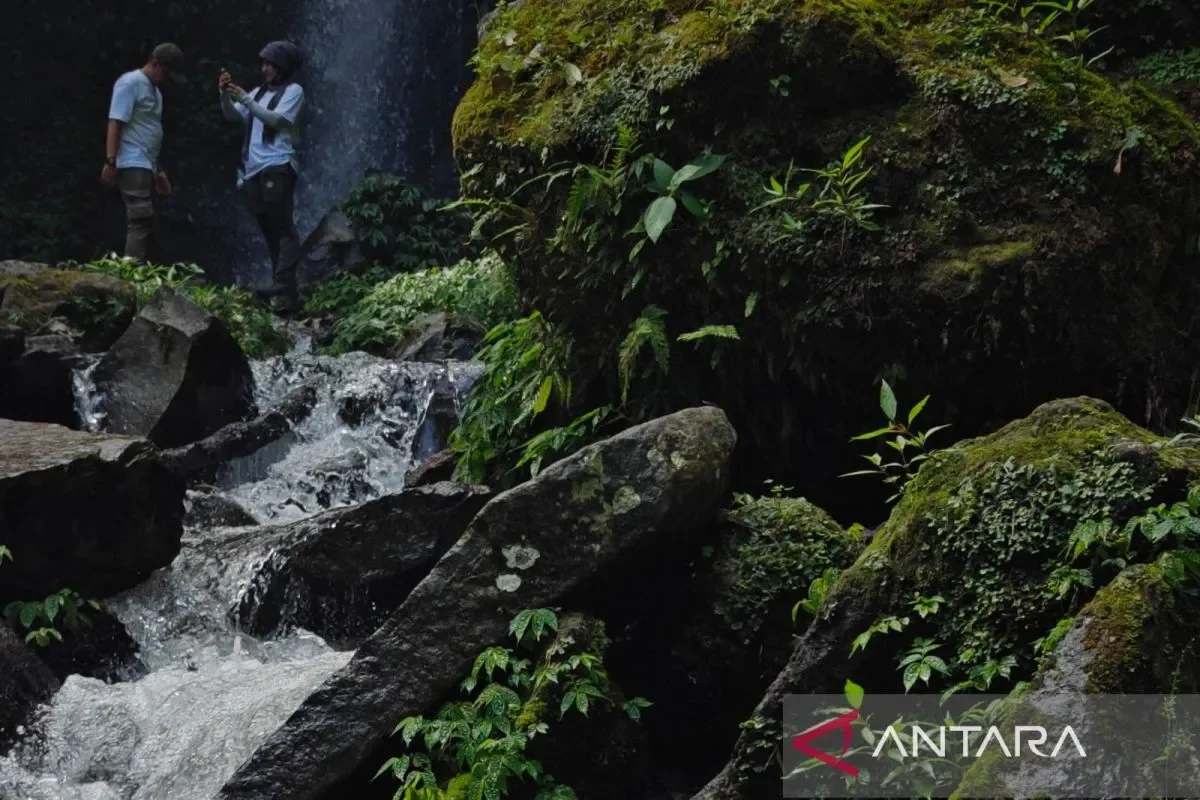
RRI.CO.ID, Kuningan - Amid the verdant slopes of West Java’s highest peak, a critical ecological transformation is taking place, repositioning Mount Ciremai National Park (TNGC) in West Java as a cornerstone of Indonesia’s climate goals. The Ministry of Forestry has reaffirmed its commitment to preserving the park’s forest cover, emphasizing its vital role as a water tower that sustains four major regencies in the province.
Covering 14,841.3 hectares, the park serves as a life-giving hydrological hub for the residents of Kuningan, Majalengka, Cirebon, and Indramayu. This strategic importance was highlighted during the Synergy of Indonesian Women for Indonesia’s FOLU Net Sink 2030 forum, held in Kuningan, West Java on Tuesday.
The event, which runs from May 11 to 13, aims to spotlight the role of women in forest management and the national target of achieving a carbon net sink in the forestry and other land use sector by 2030.
The head of the TNGC Office, Toni Anwar, underscored the exceptional quality of the park’s water resources. "Mount Ciremai National Park is called the water tower in West Java. There are 97 spring points that never recede and the quality is so pure that it is fit to drink directly from the source. If the forest condition changes, then the surrounding community will be the first to be affected by the water crisis," Toni remarked on the sidelines of the forum, as quoted by Antara.
The current state of the park is a testament to consistent rehabilitation efforts. According to Toni, forest vegetation cover has now reached nearly 90 percent, a dramatic recovery from the period before 2004 when large swathes of the area were cleared for vegetable farming.
This ecological restoration has also secured a future for the region’s "big three" priority species: the Javan eagle, the Javan leopard, and the surili (Javan leaf monkey). The presence of these animals serves as a biological barometer for the park’s health.
"The appearance of the leopard on monitoring cameras or encounters with the surili shows that the habitat here is still maintained. We call them akamsi or local village children, the original inhabitants whose habitat we must protect together" Toni added.
A key shift in the park’s management strategy has been the move toward community-based conservation. By involving 54 buffer villages, the park has transformed former forest encroachers into stewards of the land.
This is particularly evident in Cisantana Village, where residents have pivoted from illegal farming to managing 30 nature-based tourism spots. Toni described this as a "reciprocal relationship between a sustainable forest and economic progress through attractive tourism."
As Indonesia pushes toward its FOLU Net Sink 2030 targets, the success at Mount Ciremai serves as a blueprint for balancing biodiversity protection with economic empowerment. ***
News Recomendation
Loading latest news.....