



Mining Activities Cast a Shadow Over Indonesia's Karst Tourism Appeal
- 11 Mei 2026 14:11 WIB
- Voice of Indonesia
Key Points
- Mining activities are reportedly starting to impact the tourist area around the Botolempangan Karst Palace in Maros.
- Asmar ensures that the Karst Palace will be protected from mining activities.
- Karst education is crucial for fostering a love of nature conservation.
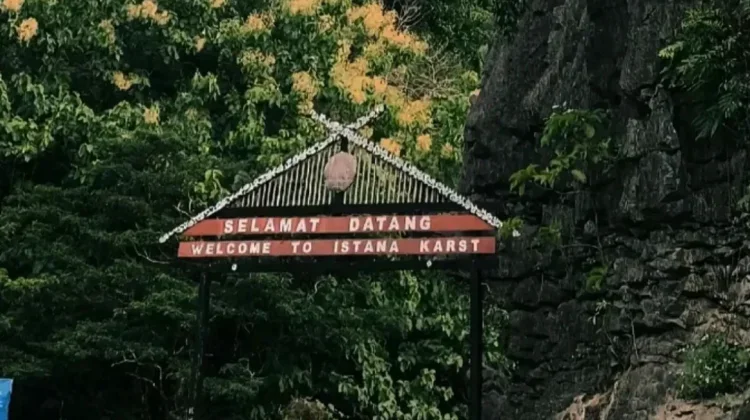
RRI.CO.ID, Jakarta – Indonesia's karst tourism zones are facing a serious and growing threat from large-scale rock quarrying operations. These unique landscapes, which hold immense geological value and significant educational potential, are increasingly being eroded by unchecked extraction activities.
Asmar, chairman of the Tourism Awareness Group (Pokdarwis) at Istana Karst Botolempangan, highlighted the mounting challenges of managing nature-based tourism in the region. He noted that much of the land in Botolempangan Village, Maros, South Sulawesi, has already been stripped bare by mining.
"A lot of quarrying has taken place here. The rocks have been mined away," said Asmar on Sunday, May 10, 2026.
He explained that the mining operations target the distinctive rock formations that should, by rights, serve as invaluable tourism assets.
The government had previously granted legislative mining permits to meet local demand for construction materials. However, the policy has since come under scrutiny for the severe damage it has inflicted on the ecosystem's long-term survival in the Maros region.
Reports indicate that extraction activities are still ongoing in the area. "It has been leveled entirely. Warehouses and houses have been built over it," said Asmar.
He added that while Istana Karst itself has not been directly targeted, the surrounding areas have been nearly exhausted.
Asmar has been fighting hard to protect the Istana Karst site from total destruction. Despite the extensive quarrying that has already claimed adjacent land, he remains determined to ensure the site itself is shielded from further harm.
In the same discussion, Prasetyaningsih, administrator of the Indonesia Karst Museum in Wonogiri, Central Java stressed the critical importance of public education about karst ecosystems. She argued that deeper community knowledge is key to cultivating genuine commitment to natural conservation.
"It can be integrated with conservation efforts in the karst region," said Nining, as she is commonly known.
She expressed hope that visitors would come not merely as tourists, but as active stewards of the ecosystem they encounter.
Protecting karst landscapes demands strong, sustained commitment from government authorities, site managers, and local communities alike. Such collaboration is essential to ensure that Indonesia's geological heritage is not lost to unregulated exploitation. (Annaila Azzahra/EN)
News Recomendation
Loading latest news.....