



Silvofishery Offers Sustainable Path for Aceh’s Mangrove Ecosystems
- 29 Apr 2026 08:01 WIB
- Voice of Indonesia
Key Points
- Syiah Kuala University highlights silvofishery as a solution to balance mangrove conservation and local economic needs.
- The system integrates aquaculture with ecosystem restoration, supporting sustainability and coastal resilience.
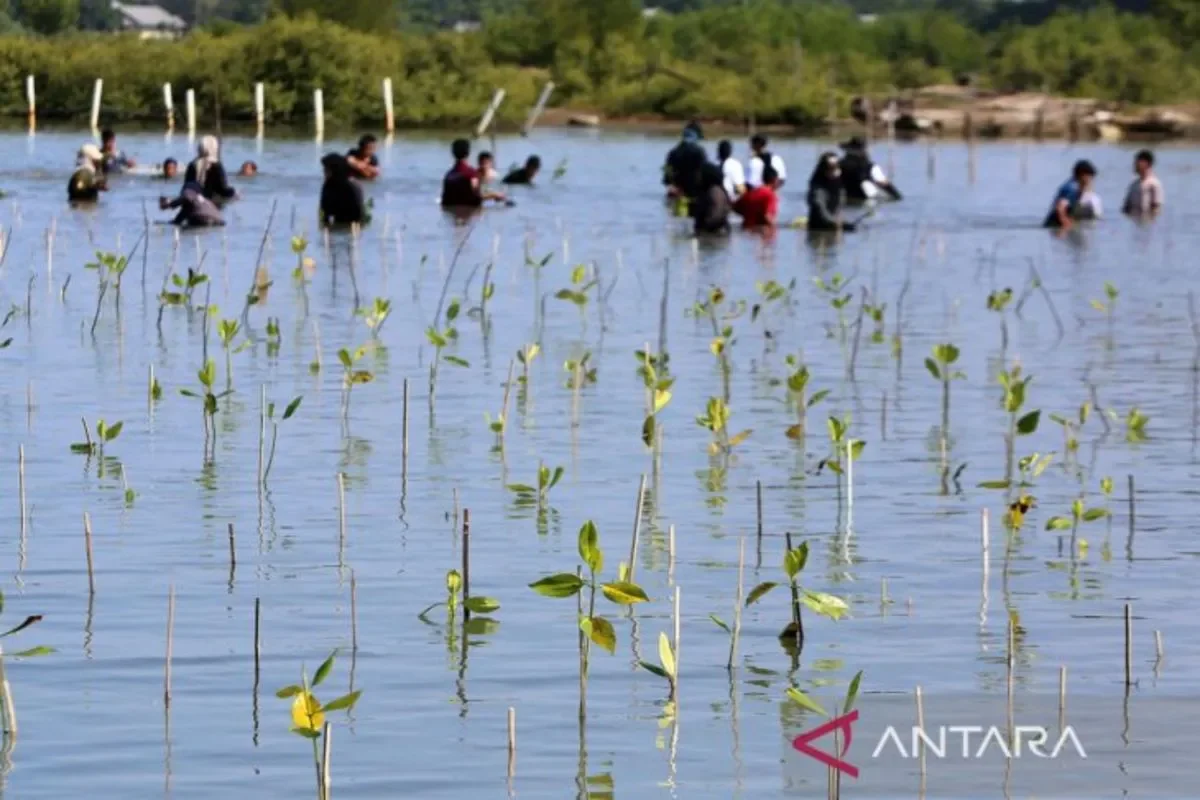
RRI.CO.ID, Banda Aceh - Syiah Kuala University (USK) has identified the silvofishery system as a solution to balance mangrove conservation with the economic needs of coastal communities in Aceh. By integrating aquaculture with forest restoration, the university argues that environmental recovery no longer has to come at the expense of local livelihoods.
Speaking at an international workshop titled From Restoration to Sustainability: Integrating Mangroves and Aquaculture through the Silvofishery System on Tuesday, April 28, 2026, USK Deputy Rector III Mustanir emphasized that this approach bridges the gap between ecology and economy. The event, hosted by USK’s Faculty of Marine Affairs and Fisheries, featured global insights from researchers at South Korea’s Kangwon National University.
“This silvofishery system offers a way where mangroves can recover, while aquaculture activities continue to run sustainably to support the local economy” Mustanir said at the USK Banda Aceh campus, as quoted by Antara.
Mangroves serve as vital natural barriers, carbon sinks, and biodiversity hubs. However, Aceh’s coastal forests currently face severe threats from land conversion, pollution, climate change, and unsustainable farming practices. Mustanir noted that as a coastal university, USK holds a significant responsibility to ensure that scientific research translates into tangible community action.
“This is where the silvofishery system becomes very relevant. Silvofishery is not just a technical approach; this system offers a path where mangroves can recover,” he added.
The Deputy Rector urged the forum to focus on three primary goals: strengthening science-based restoration strategies, developing high-productivity aquaculture that does not harm the environment, and ensuring coastal residents remain the primary beneficiaries of these initiatives. He warned that prioritizing short-term financial gains over ecosystem health would lead to long-term regional instability.
“However, if we are able to integrate restoration with sustainability, then we will create resilience for the ecosystem, the economy, and future generations,” Mustanir concluded.
The workshop, which included contributions from Min Kyu Moon and Myeong Jun Kim from the Forest Environment & GeoSpatial Technology Research Institute, underscores a growing international collaboration aimed at securing the future of Indonesia’s "blue carbon" assets. ***
News Recomendation
Loading latest news.....