



East Kalimantan Prevents Microplastics Pollution in the Sea
- 20 Apr 2026 14:24 WIB
- Voice of Indonesia
Key Points
- Plastic waste takes up to 450 years to decompose, breaking down into microplastics that contaminate the food chain and pose cancer risks to humans.
- Indonesia is currently the world’s fifth-largest waste contributor and the second-largest in Asia for plastic waste, necessitating immediate action.
- The provincial administration is implementing five key Blue Economy policies, focusing on expanding marine conservation and removing plastic debris.
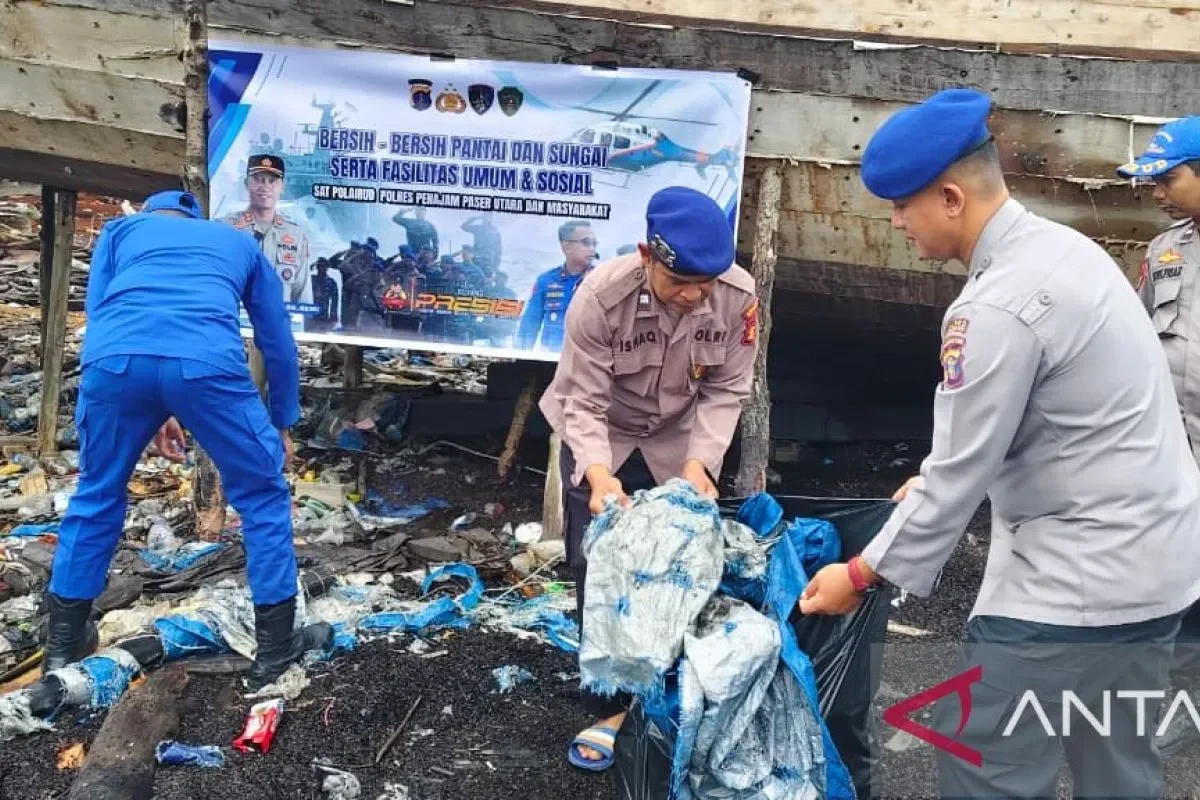
RRI.CO.ID, Samarinda - The East Kalimantan Provincial Administration has intensified its campaign against the escalating threat of microplastics within its coastal waters. The initiative comes as a response to the alarming persistence of plastic waste, which can take up to 450 years to decompose, eventually fragmenting into microscopic particles that infiltrate the food chain.
A Junior Marine and Coastal Ecosystem Manager at the East Kalimantan Marine and Fisheries Agency, Yuliana Nidyasari, underscored the severe biological risks posed by these pollutants during a briefing in Samarinda on Monday, April 20, 2026.
"Plastics require up to 450 years to decompose and can transform into microplastics that are swallowed by fish, posing a risk of triggering cancer if consumed by humans," she warned, as quoted by Antara.
The urgency of the situation is heightened by Indonesia's current standing as the world’s fifth-largest waste contributor and the second-largest producer of plastic waste in Asia.
To combat this reputation, the administration is rigorously implementing five Blue Economy policies. These strategies prioritize the expansion of marine conservation areas and large-scale plastic debris removal operations.
East Kalimantan has already seen the establishment of three strategic marine conservation zones designated by the central government, located in Berau Regency, Bontang City, and Kutai Kartanegara Regency. These areas are meticulously managed through a zoning system that balances strictly protected core zones with limited-use zones to ensure the equilibrium of the coastal ecosystem.
Beyond high-level policy, the province is activating grassroots participation through innovative environmental programs. "As a form of concrete action on the ground, we have also launched the 'Month of Love for the Sea' program, which directly invites fishermen to collect trash while they are out at sea," said Yuliana.
Additionally, the city of Balikpapan has introduced a Waste Bank innovation, allowing residents to trade plastic waste for essential commodities or even gold, incentivizing responsible waste management. However, officials emphasize that state-led initiatives alone are insufficient to turn the tide. Success hinges on a fundamental shift in public behavior regarding single-use plastics.
Yuliana urged citizens to adopt sustainable habits, such as carrying reusable shopping bags and water bottles, as a standard lifestyle choice.
"The eco-conscious habit of always bringing your own shopping bag from home and using reusable drinking bottles must immediately become the community's new lifestyle," she concluded. ***
News Recomendation
Loading latest news.....