



Banana Leaves Seen as Solution to Support Zero Waste Movement
- 16 Apr 2026 14:04 WIB
- Voice of Indonesia
Key Points
- Banana leaves are being promoted as a natural, culturally grounded alternative to single‑use plastic packaging and as a practical way to support the zero‑waste movement in Indonesian communities.
- They are not a new invention but part of Indonesia’s long‑standing food traditions, something that must be revived in order to reconnect culture with environmental responsibility.
- The shift toward plastic has displaced these eco‑friendly habits, even though materials like banana and teak leaves have safely wrapped food such as pecel and other local dishes for generations.
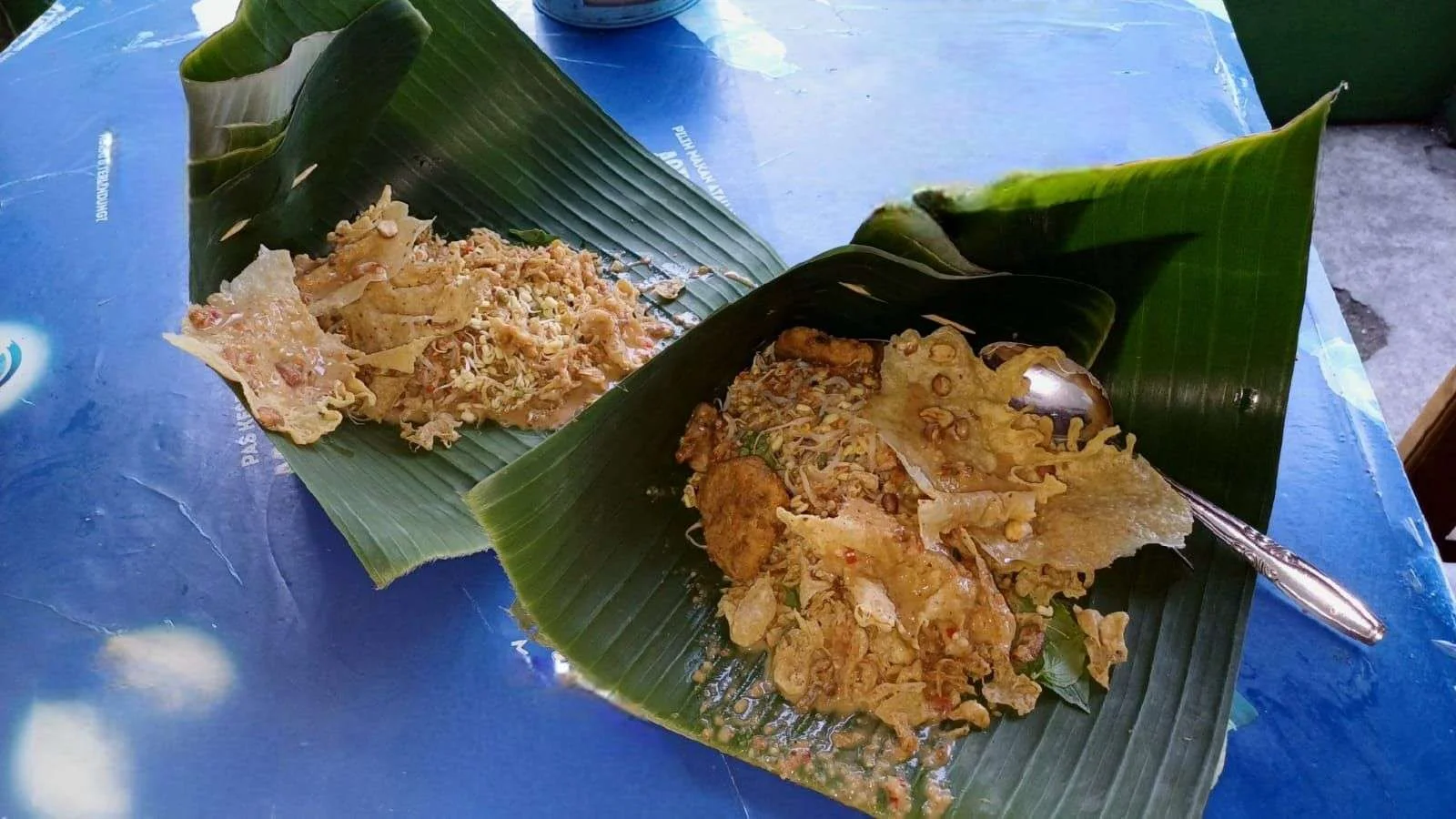
RRI.CO.ID, Malang – Using banana leaves as an alternative packaging material is viewed as a way to bolster the zero waste movement in communities. Beyond being environmentally friendly, this option is considered safer than single-use plastic packaging.
Project Manager for Zero Waste Cities at Ecological Observation and Wetlands Conservation (ECOTON) and a zero waste advocate, Tonis Afrianto, remarked that banana leaves are nothing new to Indonesians. He views their use as part of local culture that needs to be revived.
“Banana leaves aren’t something new, they’re an original Indonesian tradition that should be brought back to life,” he said during an event on Wednesday, April 15, 2026.
According to him, the shift to plastic has displaced more eco-friendly traditional habits. In reality, natural packaging like banana leaves has long been part of daily life.
Besides banana leaves, teak leaves can also serve as food wrappers. Both materials have traditionally been used in serving dishes like pecel and other local specialties. “Besides banana leaves, teak leaves can also be used as traditional food containers,” he explained.
Tonis added that unlike plastic, organic materials offer the advantage of breaking down easily in nature. With their biodegradable properties, banana leaves generate no polluting waste. Their use aligns with the waste reduction principles of the zero waste movement.
“Using these organic materials supports zero waste actions because the waste breaks down easily and returns to nature,” he emphasized. (Annaila Azzahra/Bambang MBKA)
News Recomendation
Loading latest news.....