



Instran Highlights Public Transport and EVs as Solutions to Fuel Risks
- 16 Apr 2026 10:05 WIB
- Voice of Indonesia
Key Points
- Indonesia is encouraging fuel efficiency through public transportation use and the transition to electric vehicles amid potential global fuel supply risks.
- Instran highlights electric vehicle adoption as a key solution, citing operational cost savings despite challenges in financing and infrastructure.
- The initiative also emphasizes stronger public transport policies and long-term commitment to reducing fossil fuel dependence across administrations.
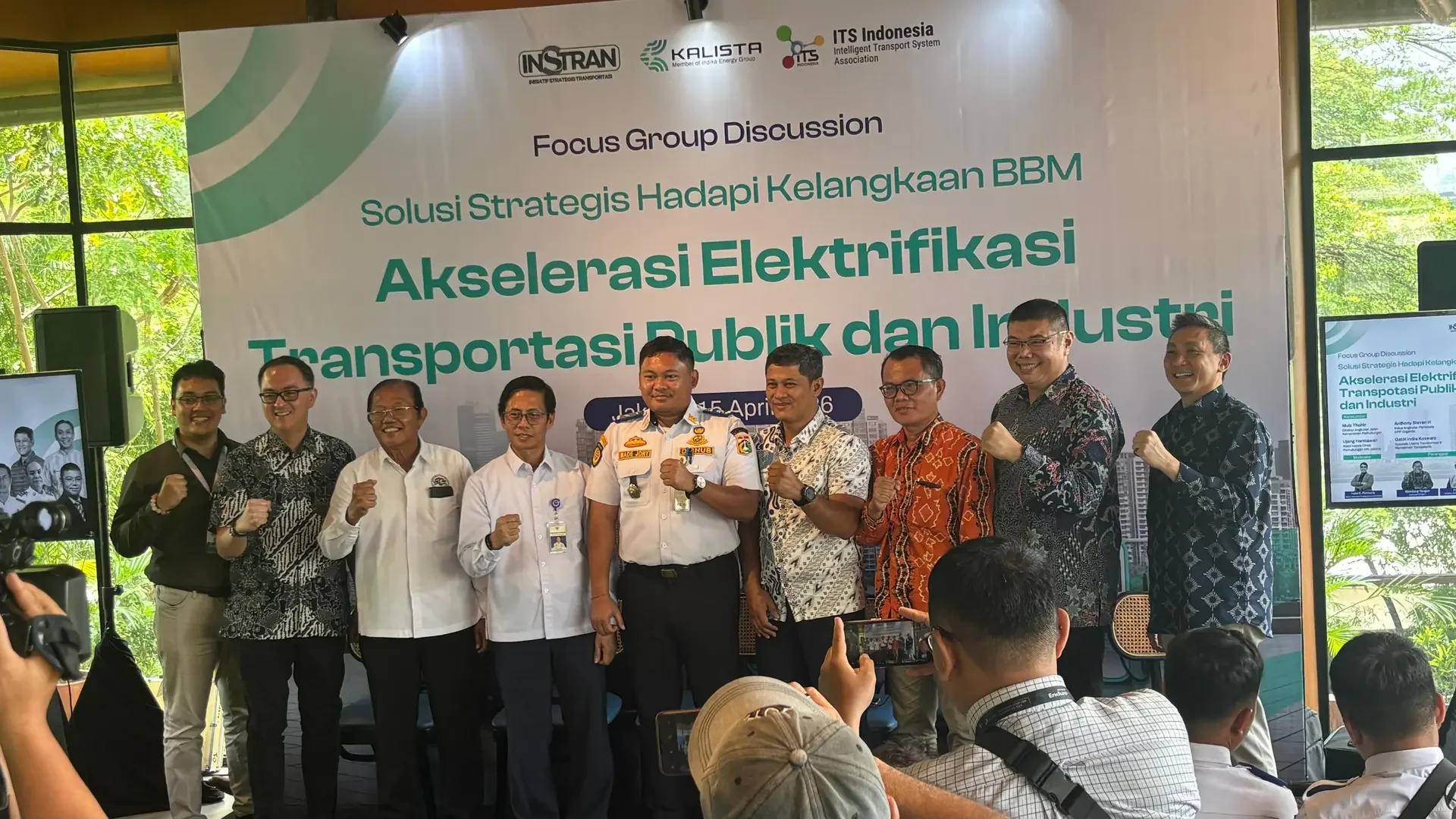
RRI.CO.ID, Jakarta - Indonesia is promoting fuel efficiency by encouraging the use of public transportation and accelerating the transition to electric vehicles (EVs) amid potential global energy supply disruptions caused by geopolitical tensions. The issue was highlighted during a discussion hosted by Inisiatif Strategis Transportasi (Instran) with stakeholders in Jakarta on Wednesday, April 15, 2026.
According to an official release received by RRI VOI, Chairman of Instran, Budi Susandi, said the potential fuel shortage driven by tensions in the Middle East requires a collaborative response involving government, industry, and the public.
“Basically, as a non-governmental organization, we want to support government programs. Currently, there are concerns over potential fuel shortages due to escalating tensions in the Middle East,” he said during a focus group discussion on strategic solutions to fuel shortages in South Jakarta.
One of the solutions proposed by Instran is to accelerate the adoption of electric vehicles as an alternative to reduce dependence on fossil fuels. “One of the solutions proposed by industry stakeholders is to shift toward the use of electric vehicles,” he conveyed.
Budi noted that several transport operators have reported potential cost savings from adopting EVs. “There are testimonies from several industries or transport operators that they can save around 27 percent in operations, or as TransJakarta mentioned, around 5 percent, which is quite significant,” he said.
However, he acknowledged that the transition to EVs still faces challenges, particularly in terms of financing and infrastructure availability. He added that these challenges require strong collaboration among stakeholders to ensure effective implementation.
Budi also highlighted the importance of strengthening public transportation policies, including initiatives in several regions that require civil servants to use public transport at least once a week. “This has become a best practice for regions that have not yet implemented such policies. We encourage local governments to adopt systems already in place in Jakarta and other areas,” he said.
He further stressed the importance of sustaining policies to reduce fossil fuel use across administrations, expressing hope that such efforts would continue beyond the presidency of Prabowo Subianto.
“We hope that in the future, the government’s concern for reducing fossil fuel use will not only exist during President Prabowo’s administration, but also continue under future presidents,” he stated.
News Recomendation
Loading latest news.....