



BRIN Discovers Three New Endemic Homalomena Species in Sumatra
- 15 Apr 2026 07:17 WIB
- Voice of Indonesia
Key Points
- BRIN and ITB researchers discover three new Homalomena species in Sumatra.
- The findings were published in the international journal Telopea (2026).
- The identification of these species strengthens Sumatra’s position as a global center of diversity for the Homalomena genus within Southeast Asia.
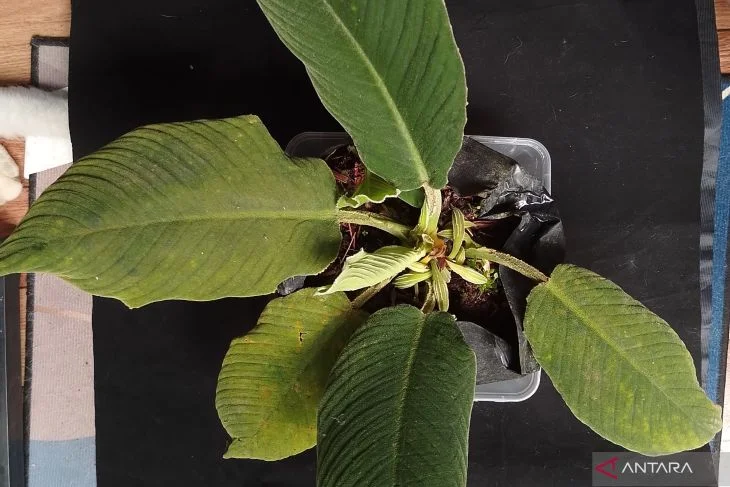
RRI.CO.ID, Jakarta - The National Research and Innovation Agency (BRIN), in collaboration with the Herbarium Bandungense team from the School of Life Sciences and Technology at the Bandung Institute of Technology (SITH ITB), has identified three new plant species from the genus Homalomena. These aroid plants, native to Sumatra, were officially documented in the international journal Telopea (Volume 30, 2026).
The discovery, led by researchers Muhammad Rifqi Hariri (BRIN) and Arifin Surya Dwipa Irsyam (ITB), highlights the increasing role of digital platforms in biodiversity research. The specimens were initially identified through unusual morphological features observed in ornamental plants traded on social media among collectors and hobbyists.
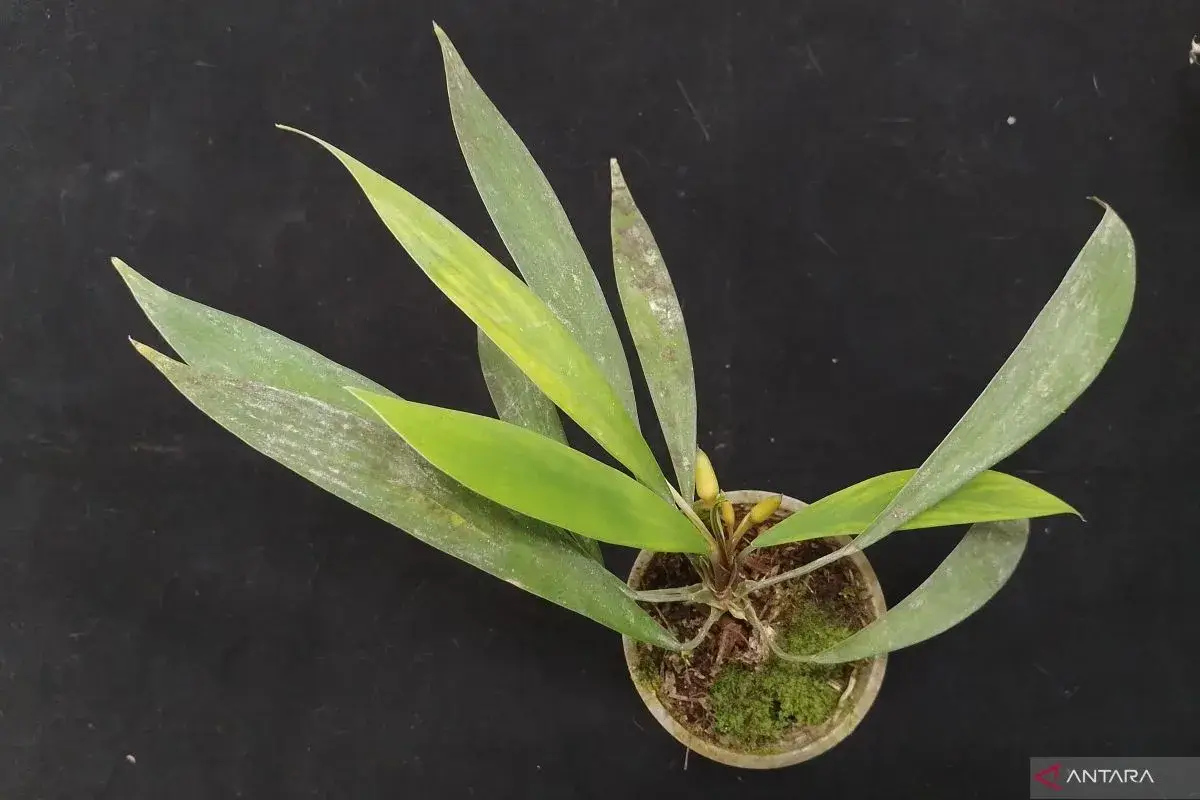
The three species discovered by researchers from the BRIN Center for Biosystematics and Evolution Research, Muhammad Rifqi Hariri and Arifin Surya Dwipa Irsyam, were given the scientific names Homalomena pachyderma A.S.D.Irsyam & M.R.Hariri, Homalomena pulopadangensis A.S.D.Irsyam & M.R.Hariri, and Homalomena uncinata A.S.D.Irsyam & M.R.Hariri, which were published in the international journal Telopea, Volume 30, in 2026.
The three new species are characterized by unique physical traits that set them apart from known Homalomena varieties previously documented in Sumatra. Homalomena pachyderma is distinguished by its remarkably thick leaves and a distinct papillate texture on the upper leaf surface.
In contrast, Homalomena pulopadangensis is identified by its narrow leaf shape, which is complemented by thicker genicula and claviform staminodes. Finally, Homalomena uncinata features unique hook-shaped hairs on its upper leaf surface, a rare morphological trait that has not been previously documented in similar species within the region.
This difference, Rifqi continued, became the main basis for determining their status as new species. The research also showed that the three species originated from North Sumatra and are suspected to have a limited distribution, thus potentially being endemic.
Research indicates that these species originate from North Sumatra and likely have limited distribution ranges, suggesting they are endemic to the region. Interestingly, the study revealed that Homalomena uncinata had been circulating as far as Japan for nine years prior to its official scientific identification, though its legal origin remains unclear.
"Digital platforms have now become an early gateway to recognizing the potential of new species, especially those circulating among ornamental plant collectors," Rifqi stated on Tuesday, April 14, 2026, as quoted by Antara.
This finding underscores the importance of monitoring nursery collections and engaging with hobbyist communities to document biodiversity that might otherwise remain hidden.
The identification of these species strengthens Sumatra’s position as a global center of diversity for the Homalomena genus within Southeast Asia. By utilizing morphological analysis and tracking the movement of plants in the commercial market, researchers are able to secure scientific recognition for rare species that are already being traded internationally.
Furthermore, this discovery highlights the urgent need for conservation in North Sumatra, as endemic species with limited ranges are particularly vulnerable to habitat loss. The collaboration between BRIN and academic institutions like ITB demonstrates how integrated taxonomic research can bridge the gap between the informal plant trade and official biodiversity documentation. ***
News Recomendation
Loading latest news.....