



Cibodas Botanical Garden Revamps Moss Garden for Education
- 14 Apr 2026 02:01 WIB
- Voice of Indonesia
Key Points
- Cibodas Botanical Garden reopened its revitalized Moss Garden for its 174th anniversary.
- The 1,500-square-meter Taman Lumut is the largest moss collection site in Indonesia.
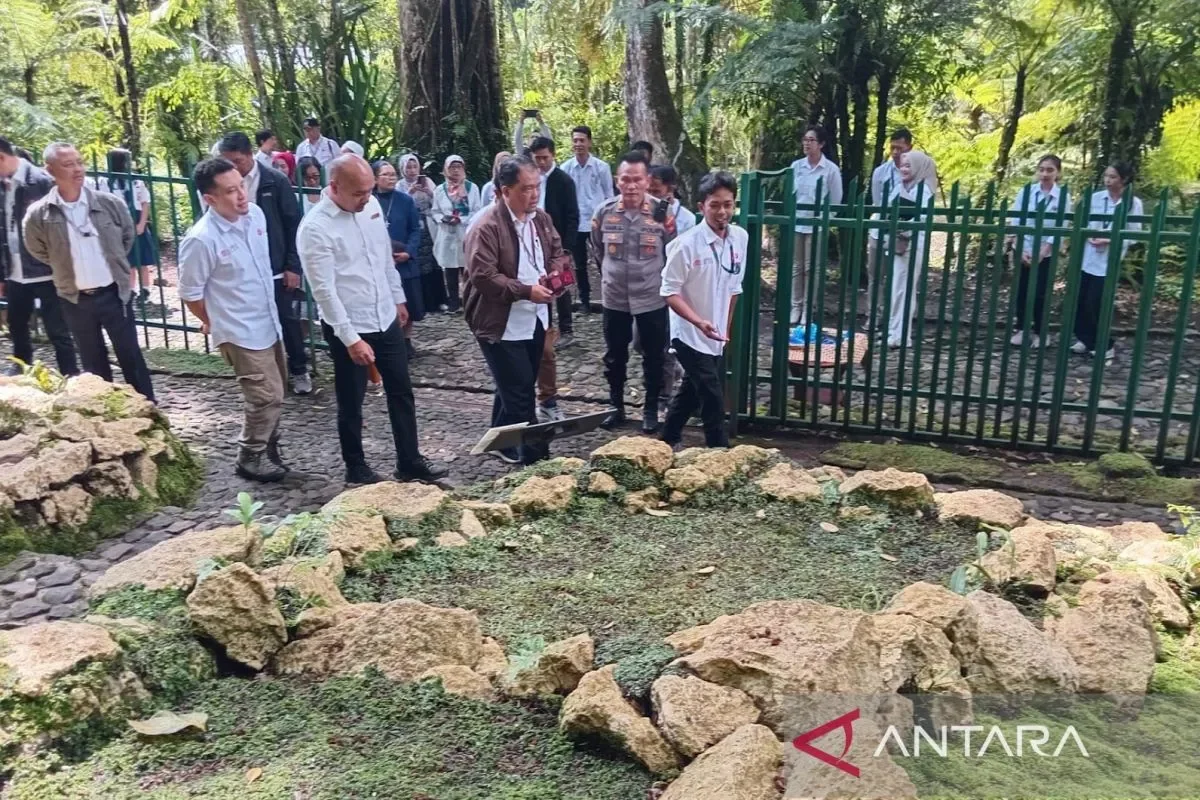
RRI.CO.ID, Cianjur - To celebrate its 174th anniversary, the Cibodas Botanical Garden (KRC) in Cianjur Regency, West Java, has officially reopened its revitalized Moss Garden (Taman Lumut). Spanning 1,500 square meters, it remains the largest collection of its kind in Indonesia and serves as a vital center for both plant conservation and interactive scientific learning.
Managing Director of PT Mitra Natura Raya, Marga Anggrianto, explained that the revitalization was designed specifically to support nature-based education. The garden showcases the three primary classes of bryophytes: liverworts (Hepaticopsida), hornworts (Anthocerotopsida), and mosses (Bryopsida).
"This garden introduces the theory of plant evolution, from non-vascular to vascular plants, to the general public," Anggrianto noted on Monday, April 13, 2026, as quoted by Antara.
The National Research and Innovation Agency (BRIN) conducted explorations within the Mount Gede Pangrango National Park to source native species for the garden.
To ensure these plants thrive, the landscape was meticulously redesigned with a focus on ecological landscaping, incorporating new rock formations and moisture-retaining materials to maintain the high-humidity microhabitat required for moss.
This revitalization also includes a significant species expansion, with the collection now featuring aquatic ferns and mosses popular in aquascaping, such as Taxiphyllum barbieri, Riccia fluitans, and Java Fern (Microsorum pteropus).
Furthermore, the garden now offers more authentic habitats after planter areas and ponds were reconfigured to mirror the natural forest environments where these species originate.
These structural changes not only enhance the aesthetic appeal of the garden but also provide the precise environmental conditions necessary for the bryophytes to flourish in a setting that closely mimics their native home.
Beyond the moss collection, the anniversary celebration included the symbolic planting of Castanopsis argentea and Castanopsis tungurrut. The Castanopsis argentea, locally known as Saninten or "forest rambutan" due to its spiky fruit, is currently listed as Endangered by the IUCN. By integrating these threatened native trees into the garden, KRC reaffirms its role as a critical sanctuary for Indonesian biodiversity.
This revitalization transforms Taman Lumut from a simple display into a dynamic classroom, bridging the gap between high-level botanical research and public environmental awareness.
The revitalized Taman Lumut serves as a vital bridge for teaching the theory of plant evolution, illustrating the transition from non-vascular to vascular species. By utilizing moisture-retaining materials, the garden maintains an ideal microhabitat that ensures the long-term survival of sensitive bryophytes.
Additionally, the inclusion of endangered native trees like the Saninten highlights KRC’s commitment to preventing the extinction of Indonesia's forest species. These efforts ensure that the garden remains a sustainable conservation hub where visitors can engage with biodiversity in a meaningful, scientific context. ***
News Recomendation
Loading latest news.....