



Nickel Mining in Obi Island Faces Scrutiny Over Environmental Risks
- 27 Mar 2026 08:24 WIB
- Voice of Indonesia
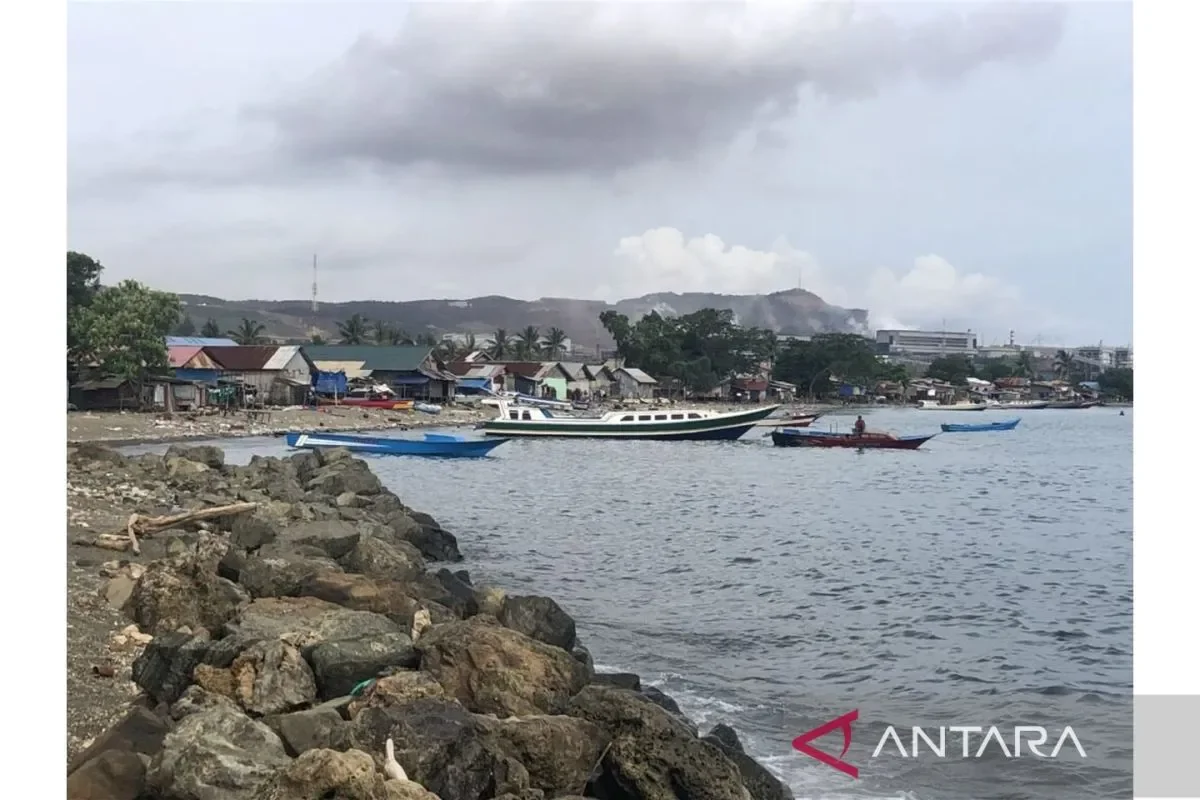
RRI.CO.ID, Jakarta - The Indonesian Forum for the Environment (Walhi) is calling on the government to drastically tighten its supervision of mining operations on Obi Island, North Maluku, to prevent an impending ecological disaster. The 3,048-square-kilometer island is reportedly facing severe contamination and structural risks linked to the massive nickel smelting and processing activities in the region.
“The government must immediately tighten supervision and take firm action against mining industry investments on Obi Island if they truly want to reduce the risk of an ecological disaster,” said a national campaigner for Walhi, Faizal Walhimalut in Jakarta, on Thursday, March 26, 2026, as quoted by Antara.
The villages of Kawasi and Soligi have reportedly borne the brunt of the industrial expansion. Residents are currently struggling with river pollution, a crisis of clean drinking water, and deteriorating air quality. Compounding these issues is the recent flooding that has hit both villages.
Astuti N. Kilwouw, Executive Director of Walhi North Maluku, criticized the current solution of moving residents to a company-provided "Eco Village" rather than fixing the underlying environmental damage.
“The company and the government should be held accountable for mining management policies that damage the local ecological system,” she asserted.
The urgency of these demands is underscored by a recent analysis from the international non-profit Earthworks. Their report highlights that the rapid expansion of the Indonesian nickel industry has led to the construction of waste facilities that may be structurally unsound.
According to Earthworks, some tailings facilities on Obi Island are built higher and hold more waste than their safe capacities allow. There are fears that these structures could collapse, sending toxic tailings into nearby rivers and the Molucca Sea. Such a failure would directly threaten the lives of mine workers and the coastal inhabitants of Kawasi Village.
Beyond the risk of a sudden collapse, Earthworks found that existing tailings facilities are already leaking. Groundwater on the island has shown contamination with boron, chromium-6, and nickel.
Ellen Moore, Mining Program Director at Earthworks, has called for a definitive halt to production until safety can be guaranteed.
“No new waste should be put into these mine waste storage facilities until the company and government can guarantee the safety of the community and the environment,” Moore emphasized.
As global demand for nickel, a key component in electric vehicle batteries, continues to rise, environmental advocates insist that Indonesia’s "green energy" contribution must not come at the cost of its own ecological and communal safety. ***
News Recomendation
Loading latest news.....