



Martabe Gold Mine Sets Benchmark in Proactive Environmental Restoration
- 13 Mar 2026 22:27 WIB
- Voice of Indonesia
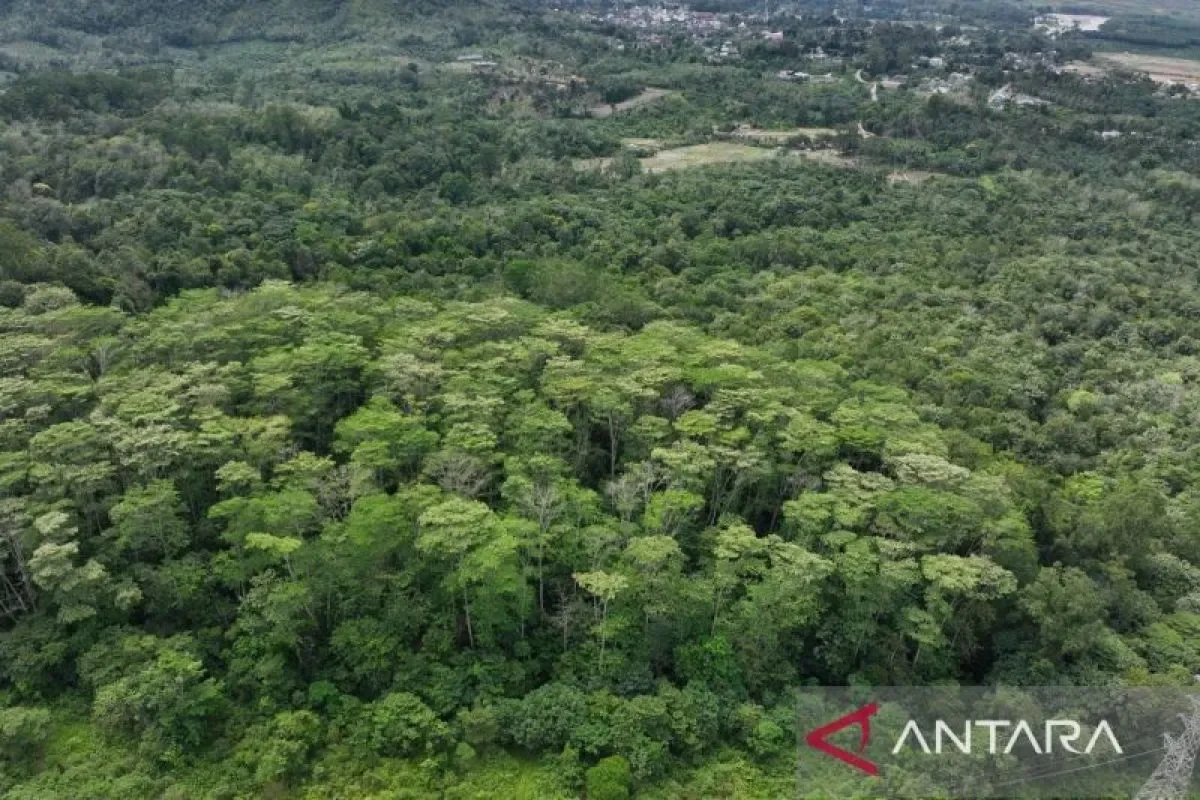
RRI.CO.ID, South Tapanuli - PT Agincourt Resources (PTAR), the operator of the Martabe Gold Mine in South Tapanuli, North Sumatra, is redefining industry standards through its commitment to progressive land rehabilitation. Rather than waiting for the mine’s eventual closure, the company has implemented a continuous restoration strategy that revitalizes the environment as soon as specific operational areas are no longer in use.
Even as current mining activities are temporarily suspended, PTAR ensures that environmental management remains in full operation. This includes critical tasks such as land rehabilitation, quality monitoring, and biodiversity protection.
By the end of 2025, the company successfully rehabilitated 54 hectares of land, an initiative designed to restore soil function and fortify the forest ecosystem surrounding the mining site. A primary example of this success is the Henny Dump area, a former waste material storage site that has been transformed back into a lush forested zone.
As reported by Antara, PTAR’s Manager of Biodiversity & Environmental Strategic Development, Syaiful Anwar, noted that the Henny Dump presented unique technical hurdles during the restoration process.
"The Henny Dump area presents challenges because the mine waste material has a low acidity level with a relatively high concentration of metals," Syaiful explained in a statement received on Friday, March 13, 2026.
Due to these conditions, the company meticulously selected plant species capable of thriving in soil characterized by low acidity and high metal content.
The restoration followed a structured, multi-stage approach, beginning with the planting of Legume Cover Crops (LCC) to stabilize and enrich soil nutrients. This was followed by the introduction of fast-growing pioneer species to accelerate canopy cover.
Once these plants reached approximately two years of age, the area was enriched with local species to ensure the vegetation structure closely mirrors a natural forest ecosystem.
To maintain the scientific integrity of these programs, PTAR is closely advised by a dedicated Biodiversity Advisory Panel. Supporting these efforts is a massive 6,000-square-meter nursery facility which, as of late 2025, has produced over 52,000 seedlings of indigenous plant species, ensuring a sustainable supply for ongoing and future rehabilitation projects. ***
News Recomendation
Loading latest news.....