



Indonesia Fosters System-Based Waste Management Approach
- 26 Feb 2026 12:08 WIB
- Voice of Indonesia
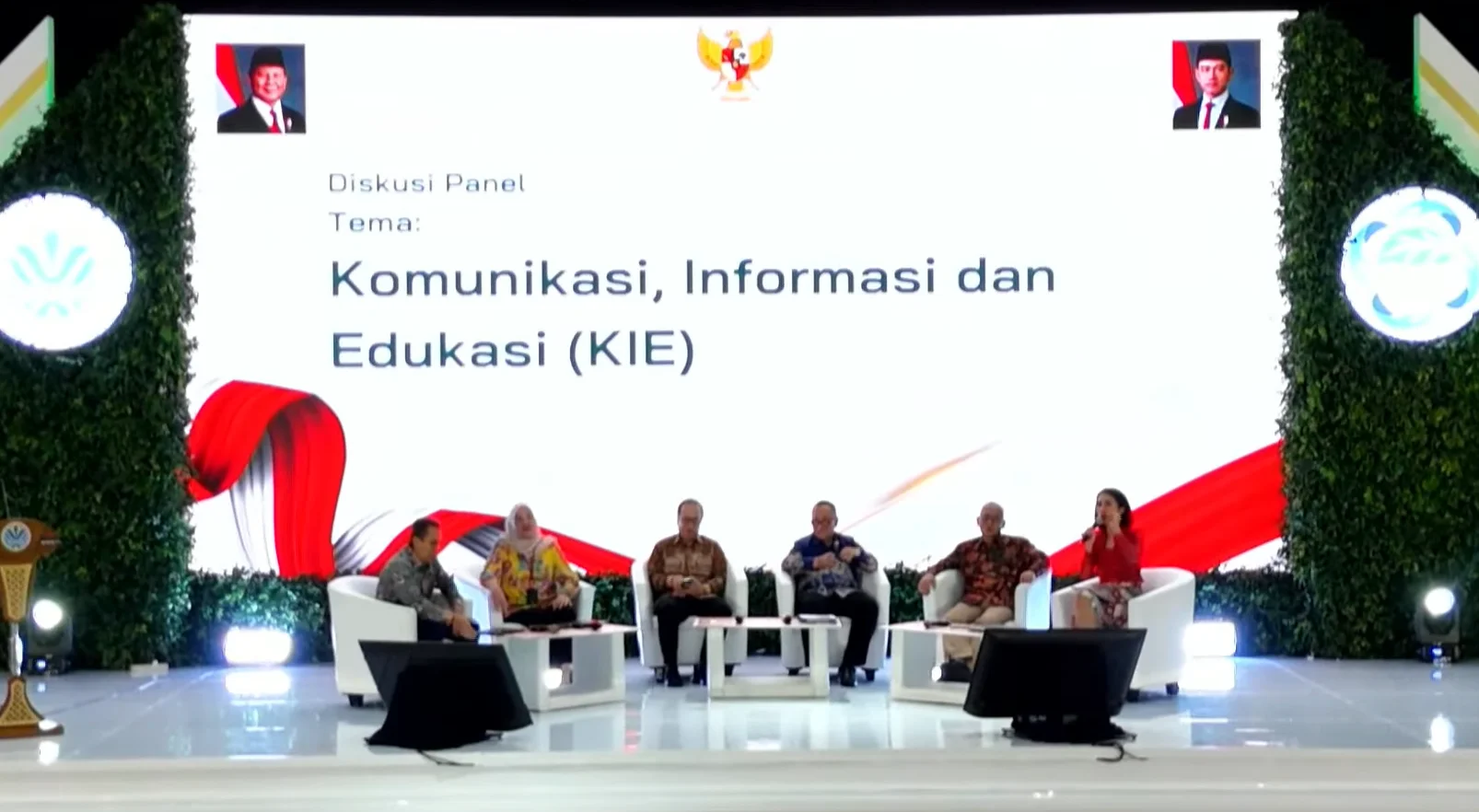
RRI.CO.ID, Jakarta - The Indonesian government highlighted waste management reform at the National Coordination Meeting on Waste Management 2026, Wednesday, 25 February 2026. The meeting explored ways to strengthen system readiness beyond relying solely on technological solutions. The Indonesian government emphasized the importance of building effective policy frameworks for sustainable long-term waste management.
The forum highlighted that waste-to-energy remains an important part of the solution, yet requires stronger systemic support. Officials acknowledged that technology alone cannot fully address Indonesia’s diverse waste challenges. As an archipelagic nation, Indonesia needs flexible and integrated approaches.
Deputy for Infrastructure at National Development Planning Agency (Bappenas), Abdul Malik Sadat Idris, stressed the importance of readiness. He highlighted the need for integrated policy reform.
This approach helps ensure projects operate effectively across different regions. He explained that enabling factors remain critical for implementation success.
Integrated upstream and downstream reforms can support long-term operational sustainability. “We see that waste management projects can work if the enabling factors and readiness are in place, particularly through integrated upstream and downstream policy reform,” he said.
The Indonesian government is also prioritizing waste management improvements at the village and sub-district levels. Many regions still remain far from advanced technological facilities. Strengthening local systems is therefore seen as a practical step forward.
Acting Deputy for Waste and Hazardous Waste Management at Ministry of Environment, Nur Adi Wardoyo, shared ongoing initiatives. The ministry is currently identifying effective local waste management models. These examples may help guide broader national implementation.
He noted that the ministry is mapping successful village practices. These models show encouraging progress toward nearly complete waste management.
“The Ministry of Environment has begun identifying models for achieving 100 percent managed waste at the village and sub-district levels, highlighting areas that are already advanced and close to completing their waste management efforts.” he said.
Furthermore, Indonesia plans to promote simple and appropriate technologies. Collaboration with universities and research institutions will be expanded to support this effort. This approach helps ensure realistic implementation in remote and underserved areas.
Local governments are encouraged to innovate and take proactive steps. Independent initiatives may open opportunities for future incentives and support. These efforts reflect Indonesia’s growing commitment to more sustainable waste management solutions.
News Recomendation
Loading latest news.....