


Indonesia Promotes Panji Manuscripts to Preserve Cultural Memory
- 04 Nov 2025 16:41 WIB
- Voice of Indonesia
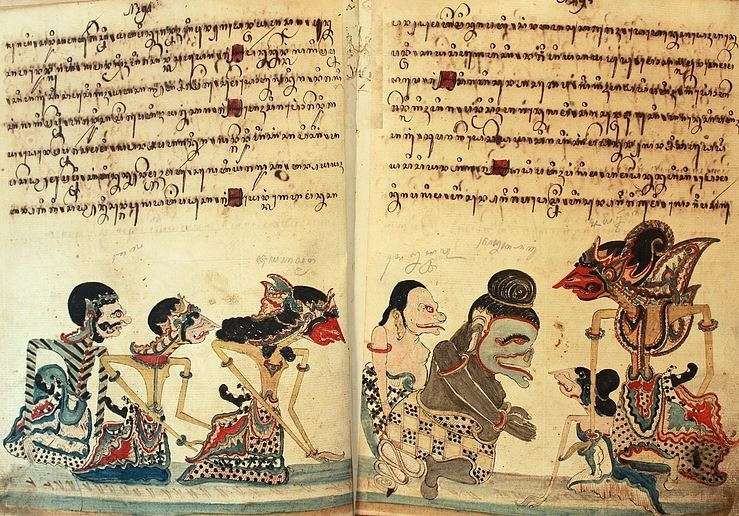
KBRN, Jakarta: The Indonesian Ministry of Culture is intensifying efforts to preserve the Panji manuscripts, a treasured part of the nation’s cultural heritage, in a bid to strengthen public awareness of Indonesia’s collective memory.
Agus Hermanto, Head of the Subdirectorate for Historical Preservation, emphasized the cultural significance of the Panji tales, describing them as invaluable assets that must be safeguarded for future generations.
He made the statement during the opening of the exhibition and discussion titled Panji Literature and Culture Throughout Time, held at the National Library of the Republic of Indonesia in Central Jakarta on Tuesday, November 4, 2025. The event commemorated the inclusion of the Panji Stories in UNESCO’s Memory of the World register on October 31, 2017.
What Are the Panji Manuscripts?
The Panji manuscripts (naskah Panji) are a collection of classical Javanese literary works that originated in the 12th century during the Kediri Kingdom and gained widespread popularity during the Majapahit era (13th–15th centuries).
These stories center on the romantic adventures of Prince Panji (also known as Inu Kertapati) of the Jenggala Kingdom and Princess Dewi Sekartaji (Candrakirana) of the Daha or Kediri Kingdom.
The tales are rich in symbolism, moral values, and philosophical depth, often exploring themes of love, identity, loyalty, and leadership.
Over time, the Panji narratives evolved into various versions and spread across the Indonesian archipelago and Southeast Asia, influencing literary and performing arts traditions in countries such as Thailand, Cambodia, Laos, and Malaysia.
In 2017, UNESCO recognized the Panji manuscripts as part of the Memory of the World program, acknowledging their historical and cultural significance.
Reviving a Literary Legacy
“This discussion is intended to raise collective awareness of the historical and cultural richness embedded in the Panji stories. It also aims to encourage new academic studies on the manuscripts,” said Hermanto.
He noted that the forum focused on research methodologies used in Panji manuscript studies to deepen understanding of their narrative structure, cultural values, and contemporary relevance.
Hermanto hopes that the event will serve not only as a platform for dialogue but also as a benchmark for transmitting the cultural legacy of the Panji stories.
He emphasized the importance of collaboration among researchers, cultural practitioners, and the younger generation to ensure the stories remain vibrant and meaningful.
“We hope this forum becomes a strong reference point for preserving our cultural heritage, not just a space for discussion,” he said.
Reaffirming National Identity
Sunaryanto, Deputy for Library Materials Development and Information Services at the National Library of Indonesia, echoed this sentiment. He described the Panji stories as a means of rekindling the nation’s civilizational spirit.
“The Panji tales help us rediscover our cultural values, particularly those related to leadership and wisdom. Through this exhibition and discussion, we aim to reaffirm the identity of the Indonesian nation,” he said.
He added that the Panji stories are more than just folklore. They are a reflection of Indonesia’s intellectual and moral heritage. The narratives embody the richness of human thought, emotion, and virtue.
Although rooted in romance and adventure, the Panji tales are rich in symbolism and moral teachings. For Sunaryanto, they represent not only a literary treasure but also a powerful tool for shaping national identity. (Misni Parjiati/Ed. Lasti Martina)
News Recomendation
Loading latest news.....