



Indonesia Improves Vocational Education Through AI and Industry Partnership
- 22 Sep 2026 13:09 WIB
- Voice of Indonesia
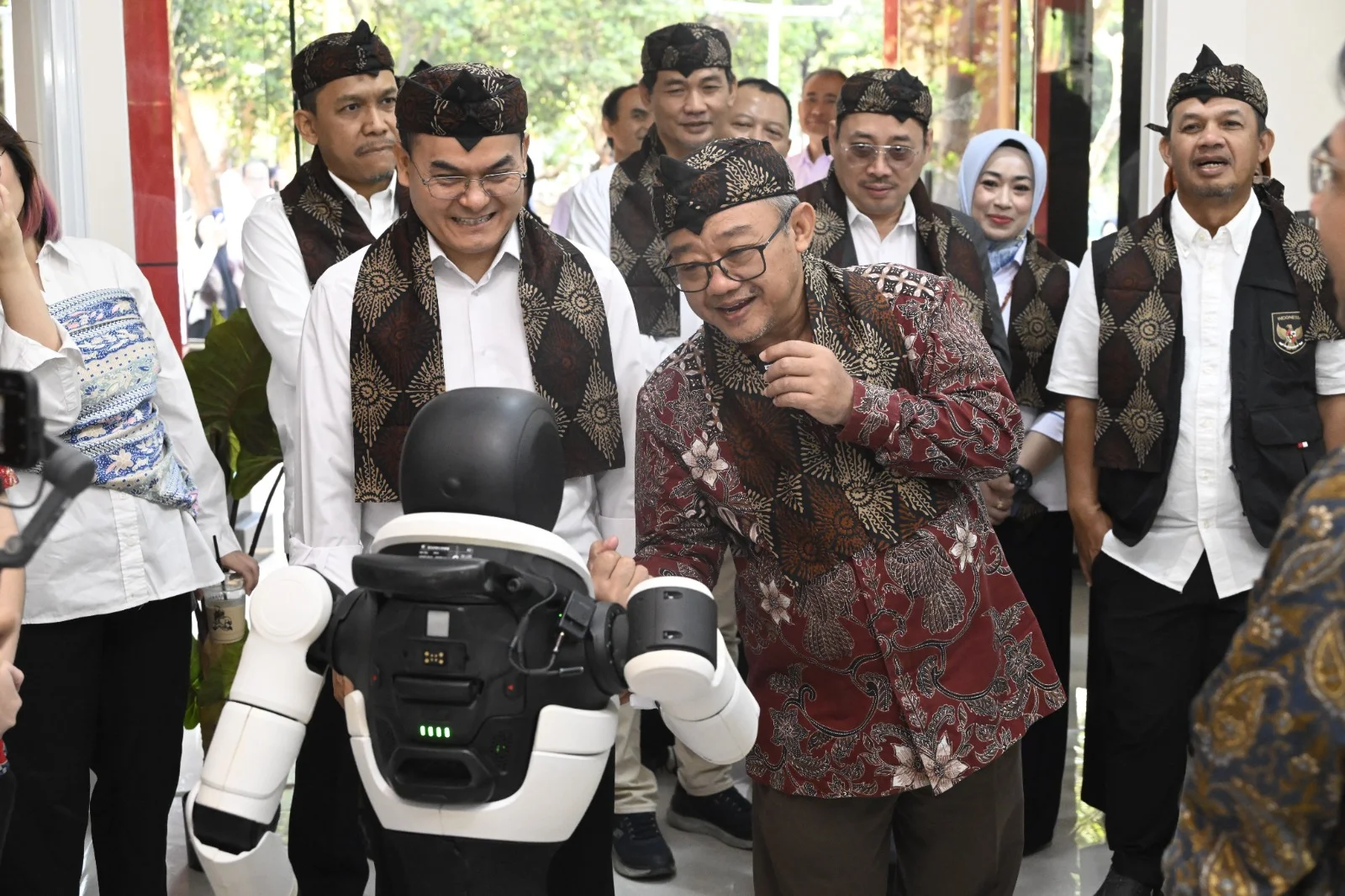
RRI.CO.ID, Cimahi - Indonesia is strengthening vocational education by connecting teacher innovation, emerging technologies, and industry partnerships to better prepare students for the changing world of work. Minister of Primary and Secondary Education, Abdul Mu’ti, made the statement during the inauguration of the Vocational Gallery at the Center for Vocational Education Quality Assurance Development for Machinery and Industrial Engineering (BBPPMPV BMTI) in Cimahi, West Java, on Monday September 21, 2026.
The Vocational Gallery is designed as a space to showcase innovations and technological achievements developed by vocational schools across Indonesia. “The gallery is a center where various innovations, creativity, and technology-based achievements developed by vocational schools across Indonesia can be displayed,” Mu’ti said.
He emphasized that the gallery should continue to evolve by featuring new works and innovations from vocational schools and training centers each year. He said the facility should not merely serve as an exhibition space but also encourage creativity and technological development within Indonesia’s vocational education system.
Director General of Secondary and Special Education Tatang Muttaqin said the gallery marks a move to translate efforts to improve vocational education quality into practical action. “Today, we want to demonstrate that these challenges can be addressed through concrete action,” Tatang said, referring to rapid technological developments, uneven use of educational technology, and the need to strengthen industry involvement in learning.
The government is also encouraging closer cooperation between vocational schools and businesses through initiatives such as teaching factories, joint curriculum development, industry projects, and professional certification. “We do not want memorandums of understanding to remain merely well-presented documents on a desk; the MoUs must be brought into the classroom,” Tatang said.
Teacher competency development is being supported through a guided online training program involving 320 vocational school teachers across 16 classes, along with training for 16 instructors from vocational training institutions to produce AI-integrated 3D animation advertisements. The resulting works are being showcased as evidence that professional development can produce practical learning materials, teaching tools, and innovations that can be applied in classrooms and vocational workshops.
The initiative also includes new partnerships involving the Ministry of Primary and Secondary Education and technology companies to develop competencies in artificial intelligence, robotics, and drone technology. A cooperation agreement with PT ASIX Indonesia Cerdas will support the development of AI-based vocational education, while working plans with PT Agate International and PT Handal Yesindo Sejahtera will focus on learning content and educational technology.
Mu’ti said vocational education should also strengthen connections between formal and non-formal education so graduates can obtain skills that match labor market needs. “We certainly hear various criticisms, but we respond by working, not merely by talking,” he said, adding that AI should be used responsibly and in ways that remain aligned with Indonesia’s values and culture.
The government is also considering a scheme that would allow vocational and general high school graduates to obtain both diplomas and professional skill certificates through additional courses and training. Tatang emphasized that the ultimate goal is to ensure that new facilities, technology, and industry partnerships generate lasting benefits for teachers and students, saying, “Today we inaugurate the facility; tomorrow we put its benefits into action.”
News Recomendation
Loading latest news.....