



Indonesia Introduces Deep Learning in Early Childhood Education
- 24 Jul 2026 14:35 WIB
- Voice of Indonesia
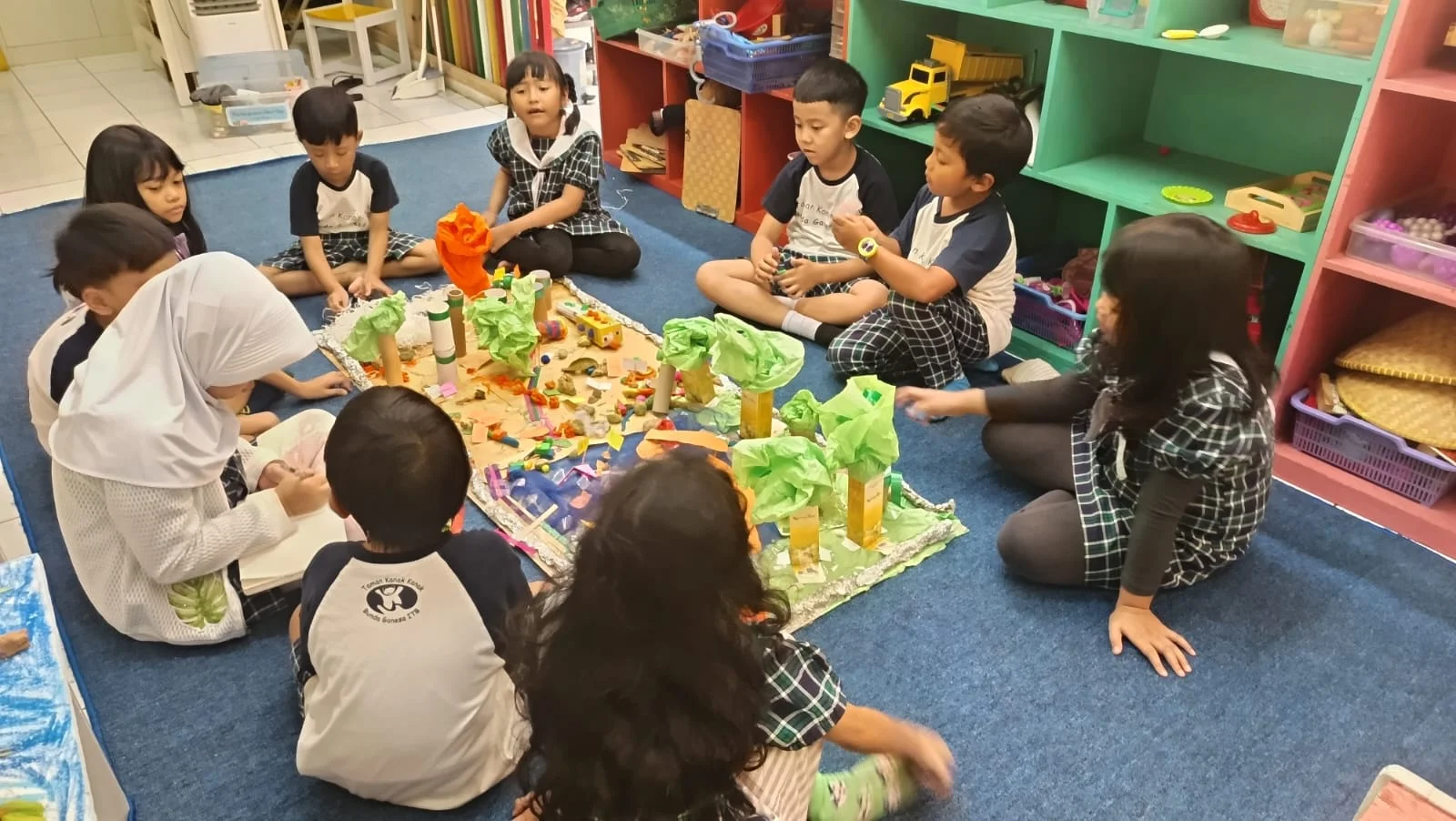
RRI.CO.ID, Jakarta - Indonesia has begun implementing a deep learning approach in early childhood education as part of efforts to foster critical thinking, creativity, and character development from an early age. The initiative encourages children to actively observe, ask questions, explore, and collaborate through meaningful learning experiences.
Deputy Minister of Primary and Secondary Education, Atip Latipulhayat, stated in Jakarta Thursday, 24 July 2026, that deep learning shifts the teacher's role from delivering answers to facilitating discovery. "With deep learning, we want to create an environment where students actively build their own understanding, while teachers serve as facilitators who guide them in finding answers," he said.
The approach has already been introduced in several kindergartens, including Gagas Ceria Kindergarten, where project-based and exploratory learning has become part of daily classroom activities. According to Principal Catur Wulandari, the method is designed to preserve children's natural curiosity by allowing them to investigate ideas through direct experience.
"Teachers spend more time encouraging children to observe, ask questions, test different possibilities, discuss, and reflect on their experiences rather than simply providing answers. We believe this approach allows creativity and critical thinking to develop naturally," Catur said.
She added that success is measured not only by learning outcomes but also by the learning process itself. Indicators include children's curiosity, confidence to try new things, collaboration, independence, communication skills, self-expression, and enjoyment throughout the learning experience.
A similar approach has been adopted by Bunda Ganesha Kindergarten, where teachers design stimulating learning environments and use guiding questions to encourage deeper thinking. Principal Susi Hindayani said the school's assessment emphasizes holistic child development in line with Indonesia's graduate competency profile.
One example is the "Reptile World" project, where children observe reptiles, discuss their habitats and care, and work together to build dioramas. According to Susi, the activity helps children develop teamwork, decision-making, visual-spatial skills, empathy toward living creatures, and pride in creating their own work, reflecting the broader goals of Indonesia's deep learning initiative.
News Recomendation
Loading latest news.....