



Lawmakers Prioritize Public Involvement in Education Bill
- 09 Jul 2026 22:07 WIB
- Voice of Indonesia
Key Points
- Drafting of the National Education System Bill carried out with meaningful public participation.
- Bill regulates key issues, including 13‑year compulsory education and stronger higher education relevance to industry.
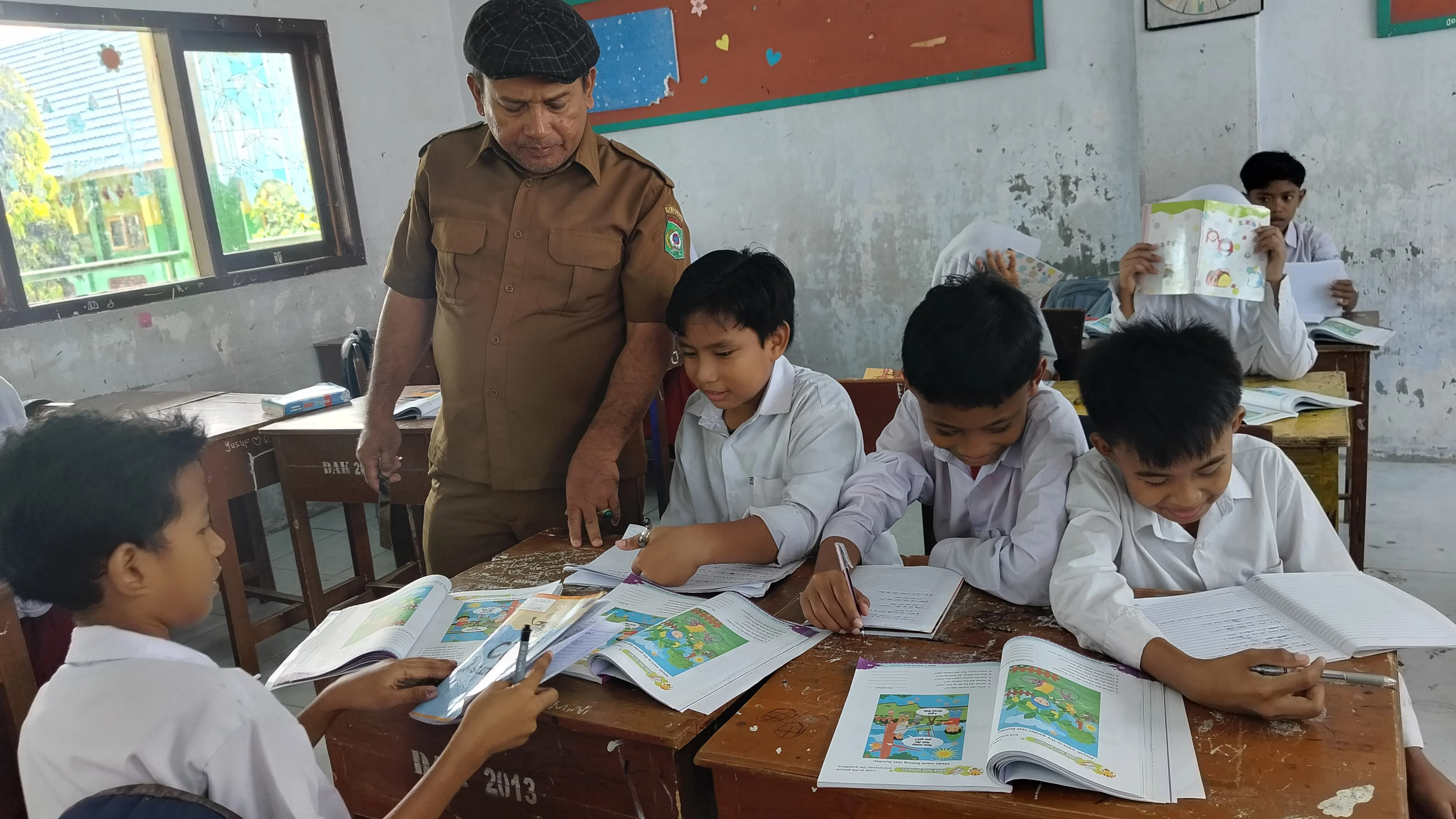
RRI.CO.ID, Jakarta – Speaker of Commission X of the House of Representatives (DPR RI), Hetifah Sjaifudian, confirmed that the drafting of the Draft Law on Amendments to Law No. 20/2003 on the National Education System (RUU Sisdiknas) has been carried out with meaningful public participation.
Hetifah emphasized that input from various regions and stakeholders was crucial to refining the bill's substance.
“The drafting of the RUU Sisdiknas has been participatory from the outset, involving various elements of society. The input we received from regions and stakeholder groups was an important part of refining the content of this bill,” Hetifah said on Thursday, July 9, 2026.
According to Hetifah, the drafting process began in January 2025 and has been lengthy.
Over more than a year, Commission X held meetings, conducted working visits, organized public discussions, and consulted with ministries, institutions, and local administrations. These included academics, professional organizations, education providers, and community groups.
At an internal meeting on Wednesday, July 8, Commission X agreed to move the bill to the synchronization stage by submitting the draft to the DPR’s Legislation Body (Baleg).
Hetifah explained that synchronization at Baleg is crucial because the bill integrates various education regulations scattered across several laws into a single, more coherent framework.
“The synchronization stage at Baleg is an important part of refining the substance of the bill before it is formally proposed as a DPR initiative,” she said.
Despite entering the synchronization stage, Hetifah stressed that public participation remains open. The public can continue to provide input, criticism, and suggestions in the next stages.
After harmonization, the bill will be submitted to a DPR plenary session for approval as a proposed initiative. It will then be discussed with the government at the first level before being brought to a second‑level plenary session for ratification.
The National Education System Bill consists of 16 chapters and 257 articles. Strategic issues regulated include expanding compulsory education to 13 years, strengthening the relevance of higher education to business and industry, and recognizing Islamic boarding schools (pesantren) within the national education system.
It also addresses improving the professionalism and welfare of teachers and lecturers, protecting students and educators, integrating national education data, and affirming the allocation of at least 20 percent of national and regional budgets (APBN/APBD) for education. (Misni Parjiati)
News Recomendation
Loading latest news.....