



Indonesia Pushes Integrated Education System, Expands Elite Science Schools
- 25 Jun 2026 17:16 WIB
- Voice of Indonesia
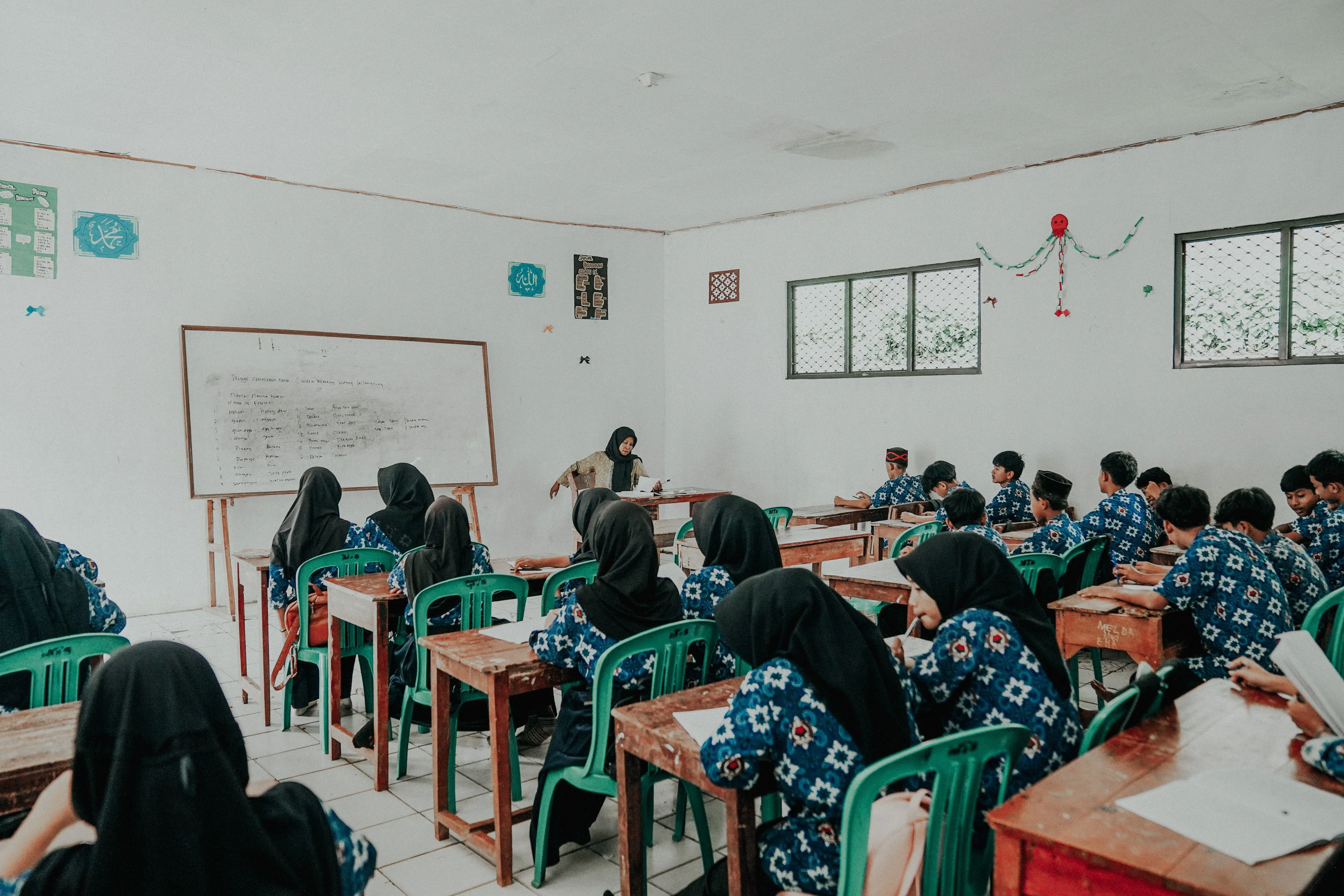
RRI.CO.ID, Jakarta - Indonesia is moving to strengthen its national education system through a revised National Education System Bill (RUU Sisdiknas), aiming to ensure that all educational institutions operate under a unified framework while maintaining the unique mandates of different ministries and agencies.
The policy direction was outlined by Acting Secretary General of the Ministry of Higher Education, Science, and Technology, Badri Munir Sukoco, during a parliamentary hearing with Commission X of the House of Representatives on Tuesday. The meeting involved several ministries overseeing education, religious affairs, social affairs, and health.
Based on the release received by RRI VOI, Thursday, June 25, 2026 Badri said the principle of a single national education system is intended to improve integration, quality assurance, efficiency, and accountability across all levels of education. “The principle of one national education system is needed so that all educational institutions remain integrated within the same framework of quality and accountability, without eliminating the specific characteristics and needs of each ministry or agency,” he said.
In higher education, the ministry emphasized that universities play a broader role than simply providing sector-specific training. According to him, universities should remain the primary platform for developing the nation's human resources through education, research, and community service while also supporting the workforce needs of government institutions.
The ministry also encouraged government agencies to meet specialized competency requirements through partnerships with universities rather than establishing separate educational institutions. Such collaboration could include curriculum development, scholarships, bonded-service programs, and graduate recruitment.
During the same hearing, Director General of Science and Technology, Ahmad Najib Burhani, presented progress on the SMA Unggul Garuda program, one of Indonesia’s flagship initiatives aimed at developing future talent in science and technology. He stressed the need for a strong legal foundation within the new education bill to ensure the program’s sustainability beyond changes in government.
“Garuda Excellence High Schools are designed to expand access to quality education for Indonesia’s most talented students, particularly those from regions that have historically had fewer opportunities,” Najib said. He explained that the program is built on three pillars: equal access to achievement, leadership development, and academic excellence combined with community engagement.
As of June 2026, construction of four new SMA Unggul Garuda campuses in Bangka Belitung, East Nusa Tenggara, Southeast Sulawesi, and North Kalimantan was progressing positively, with classes scheduled to begin in July. Alongside the new schools, the government is expanding its Garuda Transformation School program from 30 schools this year to a targeted 80 schools by 2029 as part of its effort to prepare globally competitive talent and support the vision of Indonesia Emas 2045.
News Recomendation
Loading latest news.....