



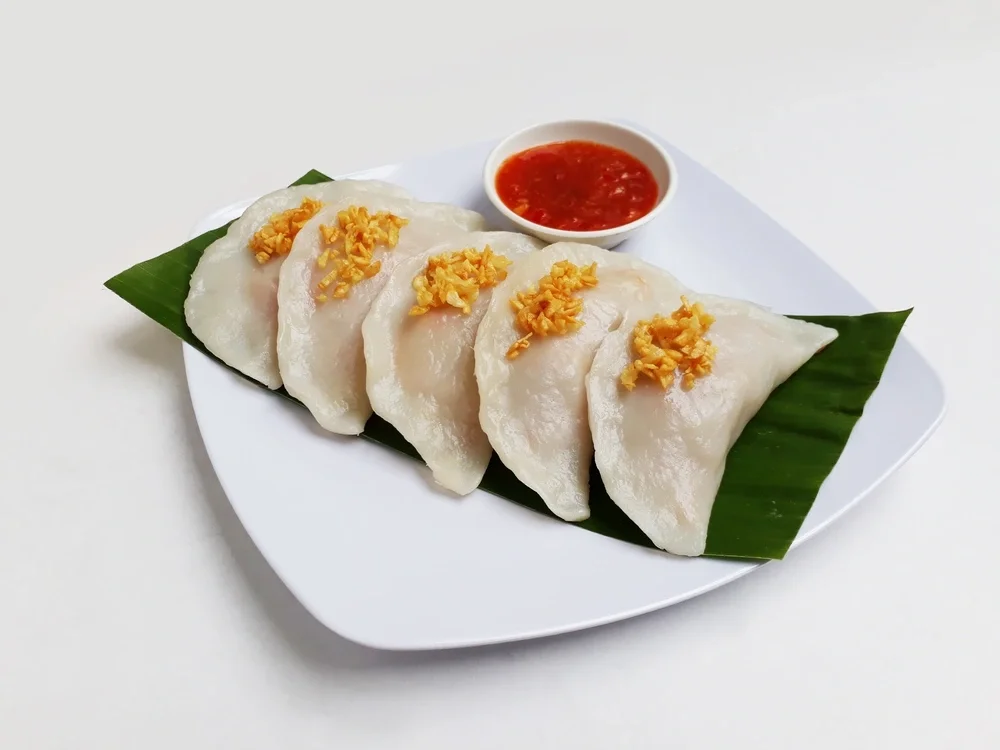
RRI.CO.ID, Jakarta - Choi pan, a vegetable filled snack wrapped in a thin rice flour skin, stands as clear evidence of how Chinese diaspora cuisine has spread across Southeast Asia. Whether steamed or fried, this dish has become part of everyday food culture in several countries, including Indonesia, Malaysia, and Singapore, prized for its savory flavor and chewy texture.
The name choi pan comes from the Hakka language, meaning a cake filled with vegetables, while in the Teochew dialect it is called chai kue, carrying a similar meaning. In Mandarin, the snack is known as cài guǒ or cài bǎn. The words choi or chai refer to vegetables, while pan or kue means cake, so the term literally translates to vegetable cake. This variety of names reflects how a single dish evolved differently depending on the dialect and community that carried it abroad.
Choi pan is typically made from vegetables such as jicama, taro, bamboo shoots, or garlic chives that are sauteed before being wrapped in a thin, glossy rice flour skin with a texture resembling crystal. Its preparation method sets it apart from similar snacks like pastries or croquettes, which are deep fried, since choi pan is generally steamed and then served warm, topped with fried shallots or minced garlic and paired with a tangy, slightly spicy dipping sauce.
As the dish spread across regions, it developed different names and serving styles. A triangular version is known by other local names, while some communities prefer a fried version instead of the steamed original. Fillings have also diversified over time, ranging from chicken curry, shrimp, dried shrimp, mushrooms, to minced meat, although the original jicama filled version remains the most enduring favorite.
Being an affordable snack, choi pan is commonly eaten as a daily treat or breakfast item. It also frequently appears during major celebrations such as Lunar New Year, reinforcing its role as more than just street food, but as part of a cultural identity passed down across generations.
Furthermore, the delicate balance of fiber-rich root vegetables and plant-based ingredients wrapped in steamed rice dough offers a lighter, lower-fat alternative compared to heavily fried street foods. This aligns well with modern dietary preferences emphasizing wholesome, digestible ingredients without sacrificing rich regional flavors.
Another distinctive aspect of choi pan lies in how it is often prepared right in front of customers, from shaping the dough to steaming it, since the snack is typically made fresh only after an order is placed to preserve its quality. This practice turns choi pan into more than just a dish, but a culinary experience that keeps traditional preparation methods alive amid the modernization of food service today.
News Recomendation
Loading latest news.....