



Lempah Kuning: Indonesian Fish Soup and Spice Heritage
- 30 Sep 2026 16:27 WIB
- Voice of Indonesia
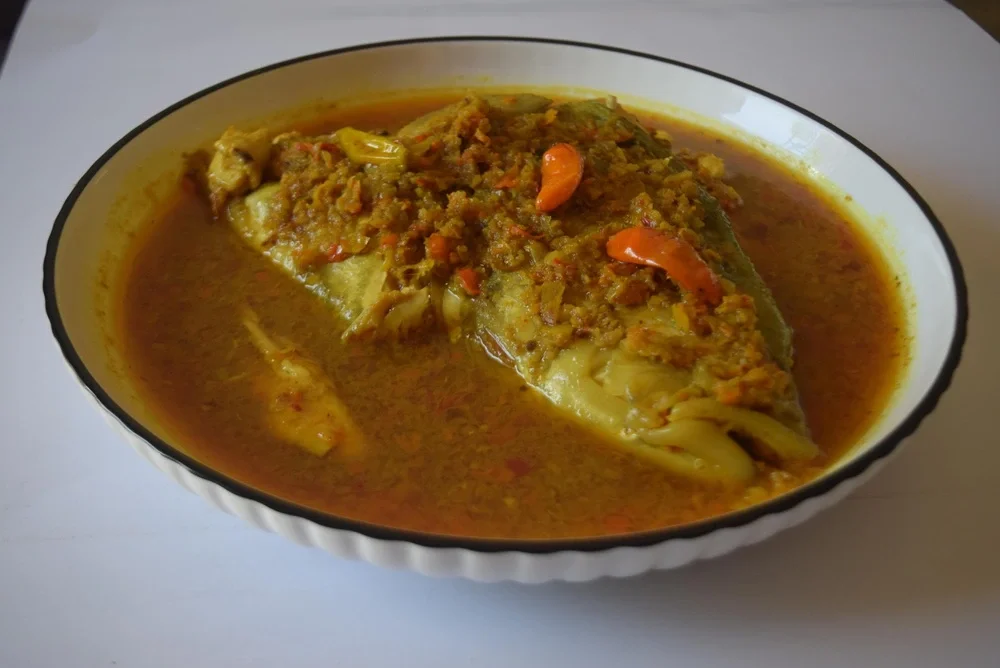
RRI.CO.ID, Jakarta - Lempah Kuning, a traditional soup dish from Bangka Island, is a testament to how Indonesian spices can create a culinary identity that endures across generations. While the dish is traditionally centered on fish, chicken and beef have also become widely popular alternatives over time.
The name "lempah" itself has roots that reflect the philosophy of cooking it. The word "lem" means to stick or mix, while "pah" comes from the word "spices", which are parts of plants that are combined into dishes to provide a distinctive aroma and taste. From the combination of these two words, lempah can be interpreted as the process of combining various spices until they are perfectly blended in one dish.
The broth’s striking yellow hue comes from turmeric, the key spice that provides not only natural color but also defines the dish's flavor profile. When combined with other spices, turmeric creates a complex, savory taste that sets it apart from ordinary broth-based dishes.
What distinguishes yellow lempah from other turmeric-based dishes around the world is the fresh, sour touch often added through pieces of pineapple or kedondong leaves. This combination creates a balance of savory, spicy, and sour flavors in one bowl, a culinary approach that is actually found in many coastal culinary traditions around the world that rely on local fruits as a balance of flavors.
The use of spices to define culinary identity is nothing new in global food history. Since ancient times, spices like turmeric have been valuable commodities that shaped trade routes and fostered cultural exchange between nations. Lempah kuning, in this context, can be seen as a continuation of this long heritage, where spices are not just seasonings, but also a reflection of the history of human interaction with nature and cross-regional trade.
Beyond its rich flavor profile, the traditional preparation of lempah kuning highlights the use of fresh, locally sourced aromatics such as shallots, garlic, galangal, and chili, which provide synergistic antioxidant and anti-inflammatory properties. This alignment between traditional regional cooking and holistic well-being underscores how ancestral diets naturally integrated functional health benefits into everyday meals.
The existence of dishes like yellow lempah confirms that the richness of spice-based flavors remains relevant amidst ever-evolving modern culinary trends. Rather than being eroded by the dominance of fast food or the homogenization of global tastes, spice-based dishes are finding their place again as a representation of the world's culinary diversity, with historical value as well as functionality for health and a sustainable food culture.
News Recomendation
Loading latest news.....