



Enbal Bunga Turns Bitter Cassava into Kei Delicacy
- 24 Sep 2026 14:37 WIB
- Voice of Indonesia
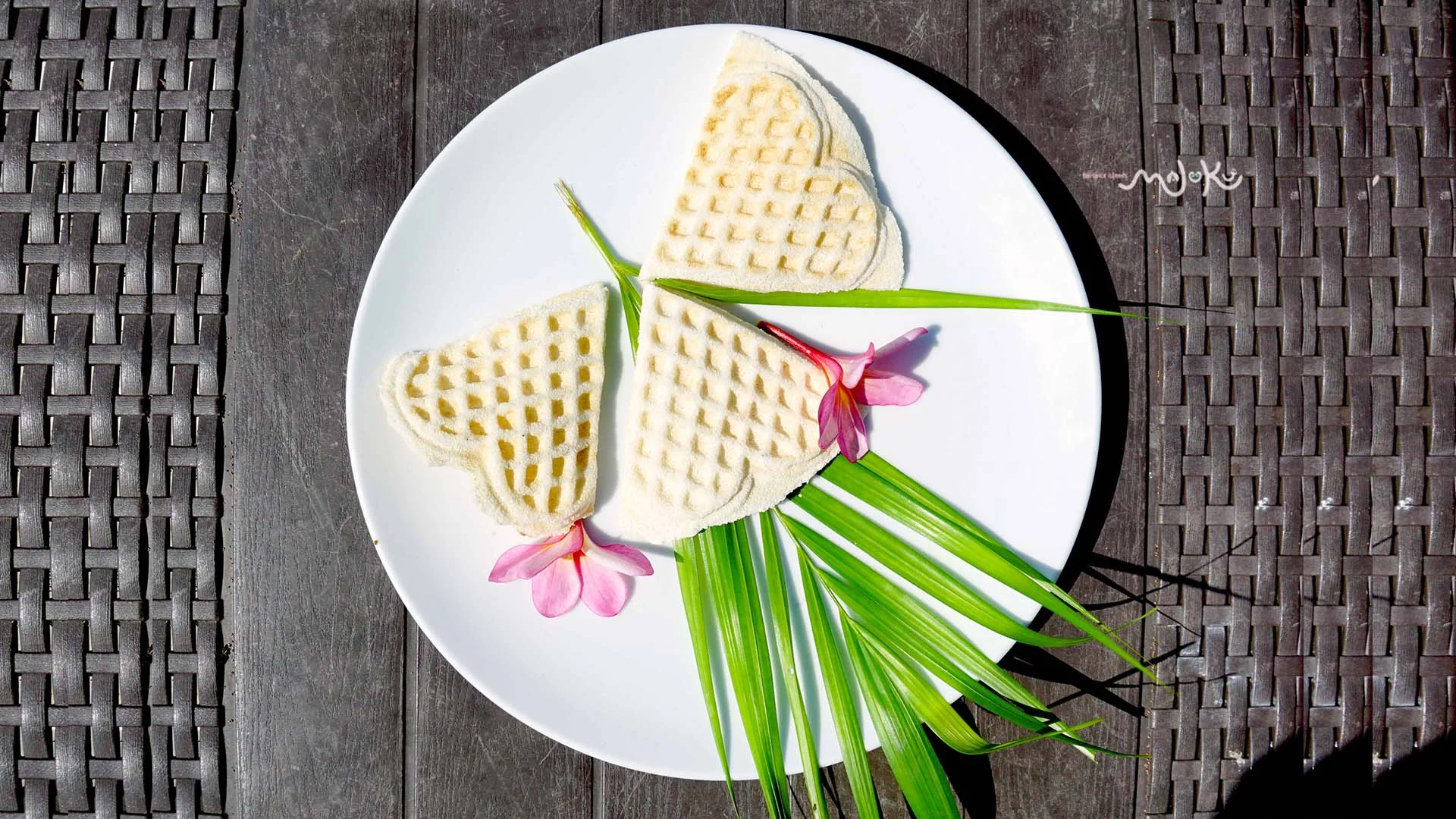
RRI.CO.ID, Southeast Maluku - Enbal Bunga showcases the Kei Islands' distinctive culinary heritage through specially processed bitter cassava. Unlike ordinary cassava, enbal contains natural toxins and requires careful traditional processing before consumption.
Enbal became part of Kei food traditions after the crop reportedly reached the islands in 1912. King Abdul Hamid Rahayaan reportedly brought the plant from Bali before it spread across the Kei Islands.
Bitter enbal contains cyanide compounds that require traditional processing to separate the toxic liquid safely. The process includes cleaning, grating, pressing, drying, and processing the cassava into flour.
Local communities transform dried enbal flour into several traditional foods, including Enbal Lev-lev, Enbal Bubuhuk, and Enbal Bunga. Enbal Bunga uses a flower-shaped iron mold, giving the snack its distinctive appearance and crisp texture.
Enbal became an important alternative staple for Kei communities alongside rice and sago. Its long shelf life also supports local farmers, traders, food producers, and other workers involved in its production.
Over time, producers developed various enbal products with peanuts, bananas, kenari, cheese, and chocolate. The flour provides carbohydrates while its mild flavor allows it to complement different dishes and ingredients.
Enbal can accompany grilled fish and colo-colo or become a snack throughout the day. The Indonesian government recognized enbal as Intangible Cultural Heritage in 2017, reflecting its importance to Kei communities.
For travelers, Enbal Bunga offers more than a distinctive local snack with an unusual origin. Its preparation preserves generations of food knowledge while showcasing how Kei communities creatively use local crops.
News Recomendation
Loading latest news.....