



Gunungkidul Sambal Beser Blends Chilies with Seasonal Bugs
- 22 Sep 2026 07:40 WIB
- Voice of Indonesia
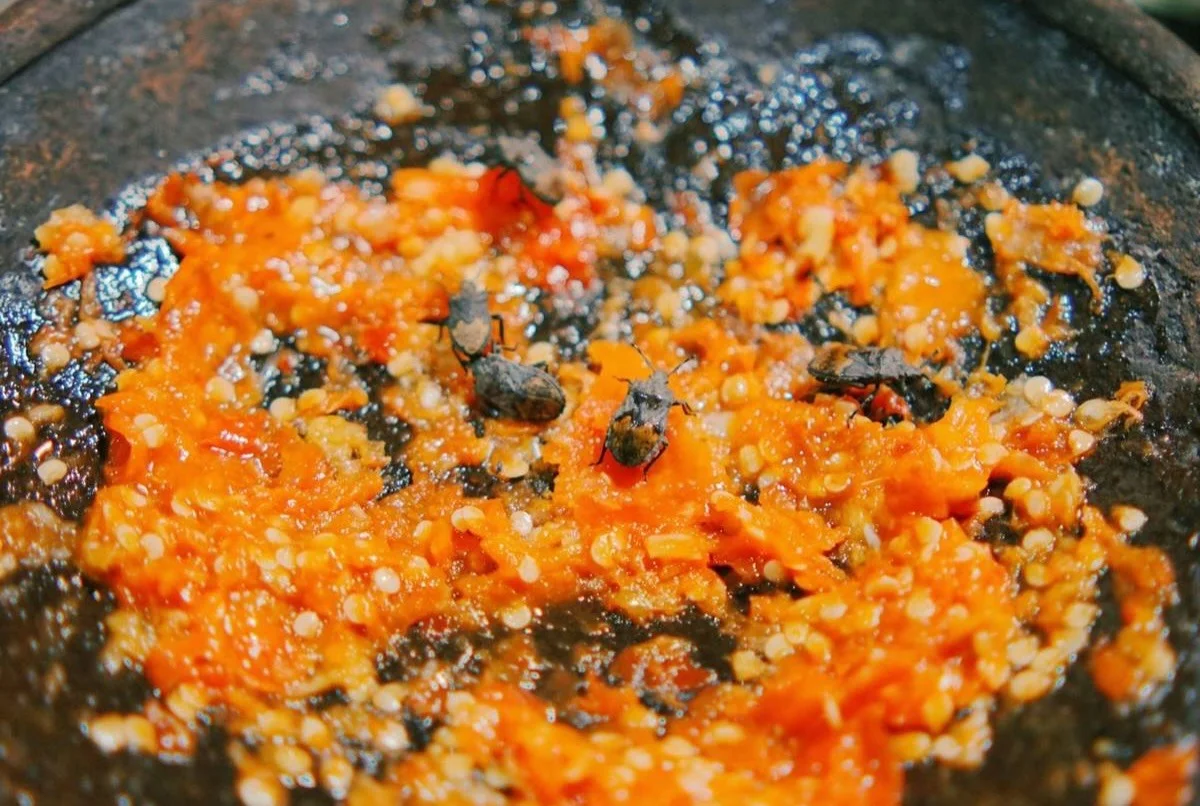
RRI.CO.ID, Gunungkidul - Sambal beser brings a distinctive seasonal ingredient into the traditional cuisine of Gunungkidul, Yogyakarta. The dish combines beser, a small stink bug, with spicy sambal and is traditionally enjoyed with warm pumpkin-leaf vegetables.
Beser is a small insect from the stink bug family that is commonly found around rice fields, gardens, and forests during the rainy season. Local residents collect the insects when they appear, as they are generally available only during this seasonal period.
The insects are traditionally mixed with a simple sambal made from bird's eye chilies, shallots, garlic, and shrimp paste. The ingredients are ground together using a traditional stone mortar, creating a sambal with a distinctive aroma.
Residents typically use only a few beser insects because their aroma is considered strong. The ingredient gives the sambal a different flavor and fragrance from more common Indonesian sambal varieties.
For communities in rural parts of Gunungkidul, sambal beser is more than an unusual dish. The recipe has been passed down through families and remains part of local food traditions practiced during the rainy season.
The seasonal availability of beser makes the dish particularly anticipated by local residents. Some communities also sell the insects at traditional markets, with prices varying according to availability during the rainy season.
Sambal beser is commonly served with warm pumpkin-leaf vegetables, known locally as sayur daun waluh. Residents may also enjoy the combination with nasi tiwul, salted fish, and fresh vegetables.
The dish reflects how local communities make use of seasonal ingredients found around their agricultural environment. Its preparation also preserves a distinctive culinary practice that has remained part of everyday food culture in Gunungkidul.
For travelers exploring traditional Indonesian cuisine, sambal beser offers an unusual taste of Gunungkidul's rural food heritage. Its seasonal ingredient, distinctive aroma, and pairing with local dishes provide a culinary experience rooted in community traditions.
News Recomendation
Loading latest news.....