



Maksuba: Palembang's Layer Cake of Respect and Tradition
- 07 Sep 2026 09:24 WIB
- Voice of Indonesia
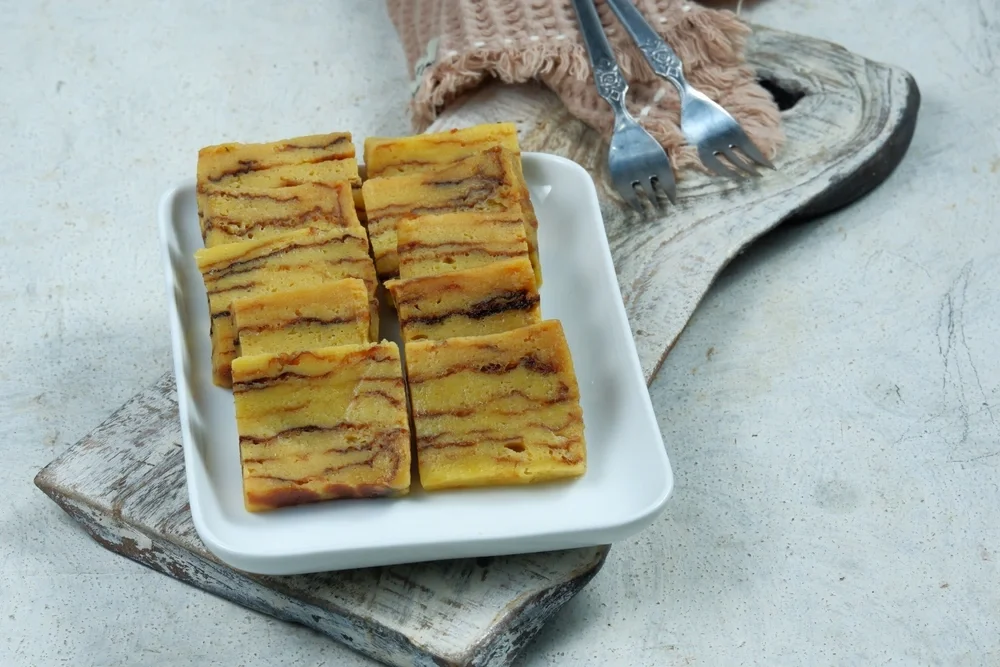
RRI.CO.ID, Palembang - Beneath its soft, golden-layered texture, Maksuba cake carries a meaning far deeper than that of an ordinary dessert. In various traditional rituals of the Palembang community, such as weddings, religious holidays, and the welcoming of honored guests, Maksuba serves as a symbol of respect, sincerity, and a marker of the social standing of the family who serves it.
According to a journal from the History Education program at Universitas PGRI Palembang (2026), this cake, made from duck eggs, sugar, and butter without flour, is not a standalone native dish. It is instead the product of a long encounter between Palembang Malay culture and Dutch colonial influence.
Its origins can be traced back to the Palembang Darussalam Sultanate between the 17th - 19th centuries, a period when food served not only a biological need but also marked honor and power within the palace.
The layered baking technique used in Maksuba is believed to have been adapted from European layer cakes such as spekkoek. Yet the people of Palembang did not simply imitate the recipe.
The expensive European ingredients were replaced with duck eggs and palm sugar to suit halal principles and local taste, giving rise to a new culinary identity while keeping its Malay-Islamic roots intact.
Every stage of the intricate, time-consuming process of making Maksuba is also loaded with moral meaning. Baking each layer one by one is interpreted as a symbol of patience, precision, and sincerity. From the perspective of Islamic anthropology, the layers themselves are even described as a representation of a person's spiritual journey toward the perfection of faith, turning the act of cooking into a form of contemplation and worship.
Beyond its religious dimension, Maksuba also strengthens family bonds. A tradition passed down through generations requires every family member to take part, from preparing the ingredients and mixing the batter to baking each layer, turning the process into a source of solidarity and social ties across generations rather than simply a way of producing food.
During the sultanate era, Maksuba could only be served by the nobility, since its ingredients were costly and its preparation demanded special skill, making it a marker of exclusive prosperity and honor. Over time, however, that elite value gradually spread into wider society, and Maksuba has since become a symbol of togetherness found across many kinds of gatherings, cutting across social classes.
In the modern era, several changes have become unavoidable: original duck eggs and butter are now often replaced with margarine and chicken eggs, electric ovens have taken the place of charcoal fires, and new variations such as pandan and chocolate Maksuba have emerged. Even so, the philosophy of authenticity and the layered baking technique remain the defining traits that set Maksuba apart from other layer cakes, serving as a strategy to keep this heritage relevant for younger generations.
Source: Nindiati, D. S., Rifki, M. P., Rizki, M., Purnamasari, S., Lestari, D. I., & Rahayu, M. A. (2026). Filosofi dan Sejarah Kuliner Kue Maksubah Sebagai Sumber Pembelajaran Sejarah Lokal. Karmawibangga: Historical Studies Journal, 8(01), 62-74.
News Recomendation
Loading latest news.....