



Bakpia, Acculturation Product and Yogyakarta Culinary Icon
- 25 Jul 2026 15:20 WIB
- Voice of Indonesia
Key Points
- Bakpia, recognized as Yogyakarta’s Intangible Cultural Heritage since 2016, is celebrated as a symbol of cultural acculturation, tolerance, and pluralism in the city.
- Originally introduced by Chinese-Indonesian entrepreneur Kwik Sun Kok in the 1940s, bakpia was adapted by replacing pork with mung beans and coconut oil to suit the predominantly Muslim community.
RRI.CO.ID, Jakarta - The best proof of Yogyakarta’s tolerance can apparently be tasted in a box of bakpia which has been recognized as an Intangible Cultural Heritage since 2016. This snack, born of Chinese cultural acculturation, is clear evidence that the clash of two different traditions does not have to produce conflict, but can instead create a harmony of flavors celebrated by the city’s residents.
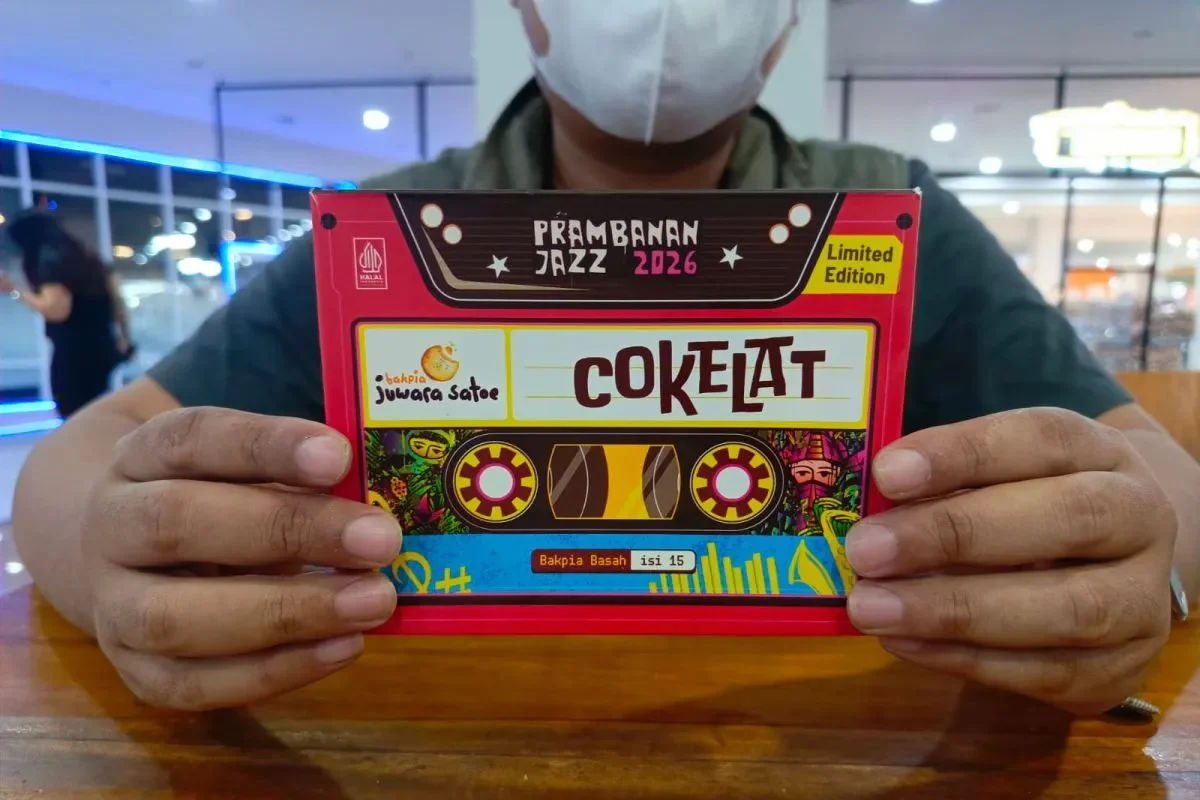
Adi, a traveler who recently visited Yogyakarta, said he had received many bakpia orders from his family and friends in Jakarta. While showing off a special-edition box of bakpia he bought during the Prambanan Jazz 2026 music concert held in the courtyard of Prambanan Temple, Adi said he also did not forget to buy several boxes as souvenirs.
“My family likes this cake. Ever since long ago, we have always bought bakpia whenever we visit Yogyakarta. It feels incomplete to go to Yogyakarta without buying this souvenir,” the young man said, as quoted by Antara on Saturday, July 25, 2026.
A study by Martiana Noviopy Rae Rato and Rahadjeng Pulungsari Hadi explains the origin of the name bakpia, which comes from the Hokkien dialect. The name consists of the word bak, meaning meat, and pia, meaning cake or bread.
The researchers interviewed several informants who were bakpia pioneers in Yogyakarta. According to the sources, bakpia was introduced in Yogyakarta around the 1940s by a man of Chinese descent named Kwik Sun Kok. After returning from a visit to China at the time, Kwik made bakpia using the original recipe, which still used pork fat to knead the pastry dough and pork as the main filling.
Because most people in Yogyakarta are Muslim, pork-filled bakpia was initially not very popular. Kwik then modified the recipe by replacing pork fat with coconut oil, while the pork filling was replaced with mashed mung beans mixed with sugar. Thanks to this adjustment, the snack began to be accepted by local people.
In the 1980s, bakpia began to grow popular in Yogyakarta as Pathuk Village developed into a center for home-based bakpia production. Bakpia craftsmen, who at the time were not yet familiar with a modern trademark system, used the house number of the production site to distinguish their products from bakpia made by other producers.
Bakpia’s surge in popularity among local people was also inseparable from its unique marketing method. At the time, bakpia was still relatively new, which attracted public attention. The craftsmen willingly shared their recipe with nearby residents, helping the snack gain broad acceptance.
“The marketing approach used by the Chinese community was different from that of the indigenous community,” said Martiana explaining her study’s findings. “Javanese people tend to be more accepting of circumstances, while Chinese people are more active in introducing their products. One way was by sharing the recipe with others so that more people could make and sell bakpia. This made bakpia increasingly well known,” she said.
In 2016, although it was not an original dish created by the Javanese, bakpia was designated an Intangible Cultural Heritage of Yogyakarta Province.
“Bakpia is a product of acculturation from a Chinese snack that has survived for decades and eventually became an icon of Yogyakarta. Bakpia is a symbol of pluralism in the city. A snack from a minority group, known to use ingredients not accepted by the majority, was able to compromise and was then not only accepted but also loved. The flexibility of Yogyakarta residents in accepting differences is truly evident in this case,” according to a statement on the official website of the Yogyakarta Provincial Culture Agency.
Today, bakpia has transformed far beyond its traditional varieties and methods. While it originally came in just one mung bean flavor, it is now available in innovative options like chocolate, cheese, durian, and matcha.
Bakpia makers also no longer rely solely on traditional charcoal stoves to produce their goods. Ovens have become the more modern production tool of choice.
In addition, bakpia is no longer made only by baking. Steamed bakpia is now available as a variation that is no less popular.
Bakpia’s journey shows how the clash of two cultures does not always produce conflict, but instead creates harmony realized through culinary creation. ***
News Recomendation
Loading latest news.....