



BRIN Reveals Why Siantar’s Ruak-Ruak Tastes Unique
- 12 Mei 2026 15:21 WIB
- Voice of Indonesia
Key Points
- BRIN research found high natural glutamate content (0.48 percent) in ruak-ruak meat, explaining its distinctive savory flavor.
- The bird also contains 33 types of fatty acids, including high levels of palmitic and linoleic acids.
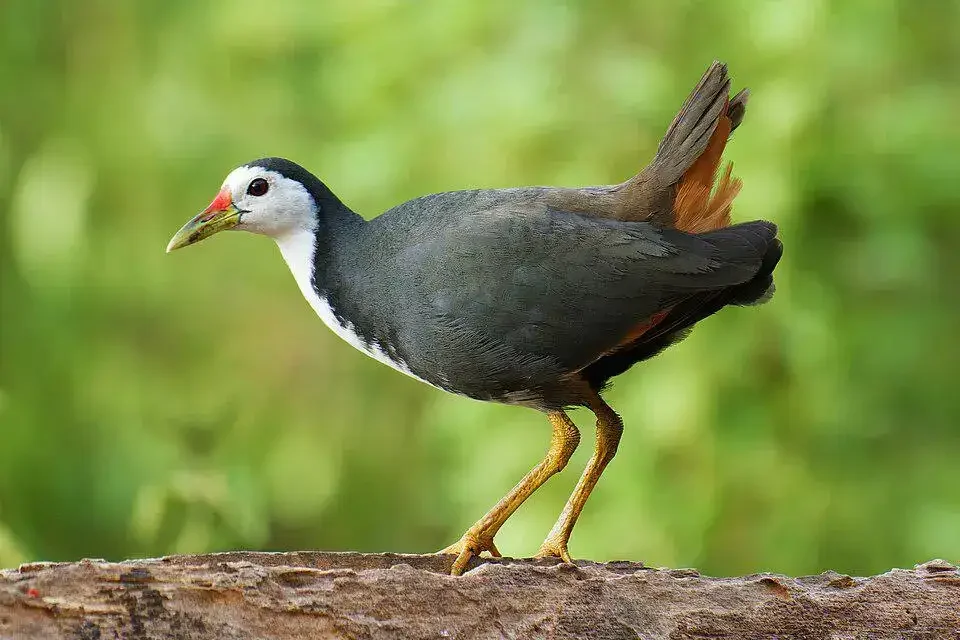
RRI.CO.ID, Cibinong - For travelers visiting Pematang Siantar in North Sumatra, the legendary culinary appeal of the White-breasted Waterhen, locally known as the burung kareo padi or ruak-ruak, is often a top priority.
While its popularity has long been attributed to local tradition, researchers from the National Research and Innovation Agency (BRIN) have now identified the scientific reason behind its distinctively savory profile: a high natural glutamate content.
During a scientific presentation at the Soekarno Science and Technology Area in Cibinong, West Java on Thursday, May 7, 2026, a researcher at BRIN’s Research Center for Applied Zoology, Widya Pintaka Bayu Putra, shared findings from his study titled The Potential of the White-breasted Waterhen (Amaurornis phoenicurus) for Meat Production in Indonesia.
The research highlights that the meat of the kareo padi possesses a unique nutritional profile, specifically a glutamate content of 0.48 percent. Glutamate is the amino acid responsible for the umami or savory taste that makes the bird a staple of traditional Siantar cuisine and a functional food sought after by tourists.
“The high content of glutamic acid and certain fatty acids provides an overview of why the meat of the kareo padi bird has a distinctive flavor and is widely sought after as a functional food and traditional culinary ingredient,” Bayu explained, as quoted on BRIN's official website.
Beyond its savory taste, the study found that the bird's meat stands out among other avian species. When compared to chicken, quail, pheasant, and partridge, the kareo padi meat contains the highest levels of palmitic acid and saturated fatty acid (SFA).
Bayu, who holds a doctorate in Animal Production and Technology from the IPB University, noted that laboratory tests detected 33 types of fatty acids in the samples. “Based on sample tests, 33 types of fatty acids were detected. Where the composition of fatty acids including palmitic, stearic, elaidic, and linoleic showed very high numbers,” he added.
Under Indonesian Law, the kareo padi bird is not protected wild bird. Its habitat is various kinds of well-vegetated wetlands, pools and streams in open forest, rice fields, mangroves and adjacent open areas, tracks, roadsides, gardens and parks. ***
News Recomendation
Loading latest news.....