



Kapurung, Luwu’s Iconic Sago Dish Rich in Flavor and Tradition
- 17 Apr 2026 07:42 WIB
- Voice of Indonesia
Key Points
- Kapurung is a traditional sago-based dish from Luwu, known for its unique preparation and rich blend of sour, savory, and fresh flavors.
- The dish reflects strong cultural values of togetherness, as its preparation and consumption are deeply rooted in communal traditions.
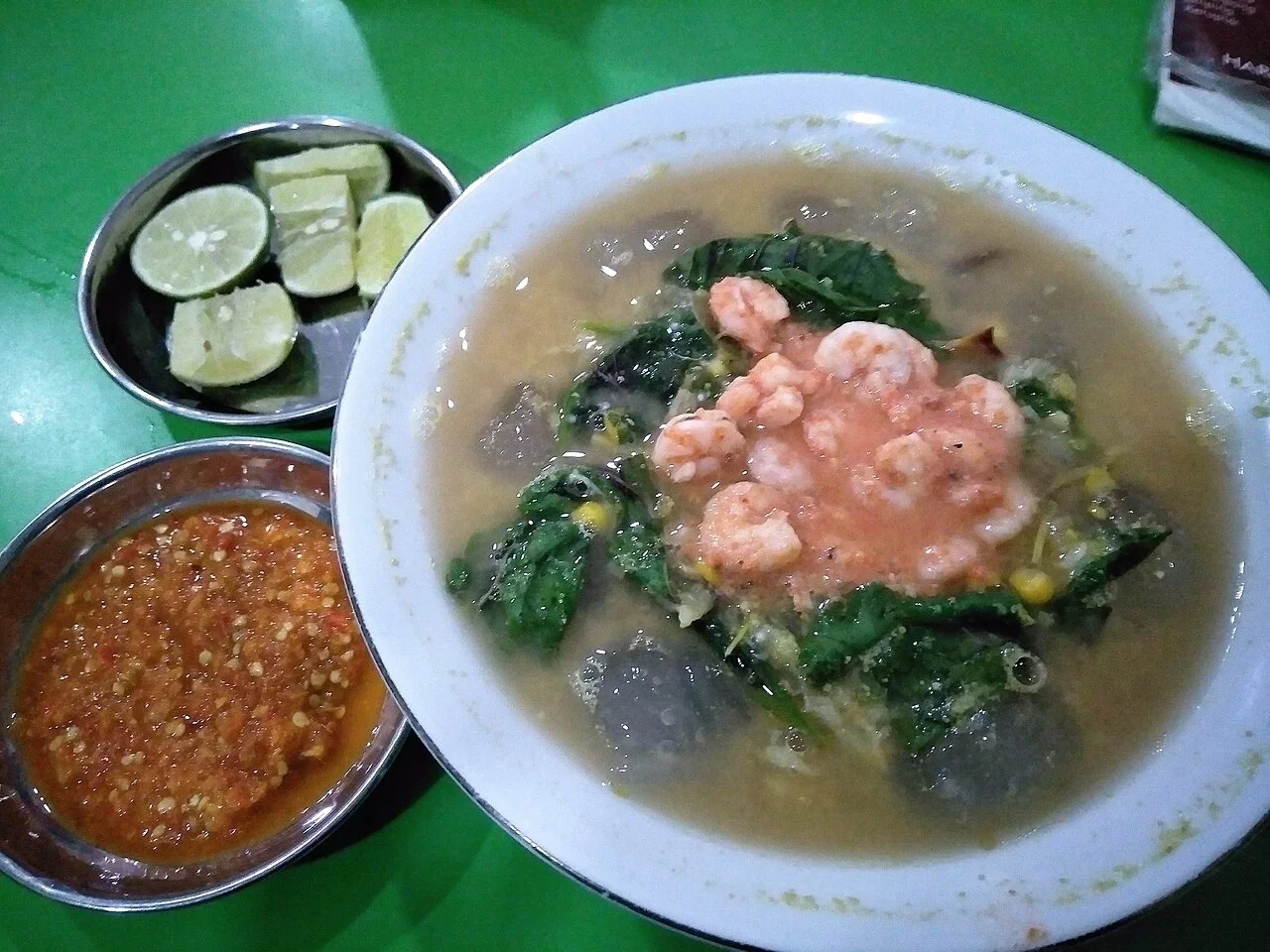
RRI.CO.ID, Bengkulu - While Yogyakarta is famous for its Gudeg and Jakarta for its Kerak Telor, the Land of Luwu (spanning Palopo, Luwu, North Luwu, and East Luwu) in South Sulawesi, boasts Kapurung. This sago-based delicacy is far more than a simple meal, it is a cultural identity that remains steadfast even amidst the surge of modern food trends.
At first glance, Kapurung resembles the Papeda of Maluku or Papua, but the distinction lies in its presentation. While Papeda is typically served with side dishes on separate plates, Kapurung is "assembled" directly in a large bowl.
The sago is mixed with hot water until it reaches a chewy consistency and then formed into small rounds, a process known locally as di-puyung. These sago balls are then submerged in a fresh, sour fish broth mixed with an array of greens, including spinach, water spinach, long beans, and banana heart, creating a rich and varied texture.
The primary appeal of Kapurung is the explosion of sour and savory flavors. The signature tang usually comes from Patikala (torch ginger fruit) or young mango, providing a fresh aroma characteristic of the Sulawesi forests.
"The key to Kapurung lies in the broth and the finely ground fried peanuts. That is what creates the thick texture and allows the savory flavor to soak deep into the sago balls," says a legendary Kapurung vendor in Palopo.
To complete the protein profile, the dish is typically served with pieces of milkfish, shrimp, or chicken. For those who enjoy a kick, a side of sambal cobek and a squeeze of lime are considered essential additions.
In the Luwu Raya region, Kapurung is a staple at family gatherings and social events. The preparation process itself is a communal effort, from picking the vegetables to shaping the sago, making the dish a powerful symbol of togetherness.
Today, Kapurung has moved beyond home kitchens. In major cities like Makassar and even Jakarta, Palopo-style eateries are flourishing, proving that this traditional culinary treasure has a permanent place in the hearts and palates of the wider public.
To get the most out of this traditional dish, it is best to serve it while hot, as the unique texture of the sago is most enjoyable when the broth is still steaming. For a complete culinary experience, you should also add side dishes like Pacco (spiced raw fish) or grilled fish, which pair perfectly with the savory flavors of the Kapurung.
The rise of Kapurung as a culinary icon is a testament to the versatility of sago as a sustainable food source. By integrating ground peanuts into the broth, Luwu's ancestors created a dish that is nutritionally balanced, combining carbohydrates, plant-based fats, and fresh proteins.
This dish represents a "culinary bridge" between the sago traditions of Eastern Indonesia and the bold, spicy-sour profiles of Sulawesi. As it gains popularity in urban centers, Kapurung serves as a delicious reminder of the importance of local food sovereignty and the enduring power of communal dining traditions. (Naura Sofia/Bambang MBKA)
News Recomendation
Loading latest news.....