



BRIN Names Mi Lethek a Healthy Low-Glycemic Noodle Alternative
- 16 Apr 2026 11:18 WIB
- Voice of Indonesia
Key Points
- National Research and Innovation Agency (BRIN) identifies Mi Lethek as a healthy carbohydrate alternative.
- Mi Lethek contains 63 percent slowly digestible starch (SDS).
- The scientific validation of Mi Lethek represents a perfect intersection of cultural preservation and modern health science.
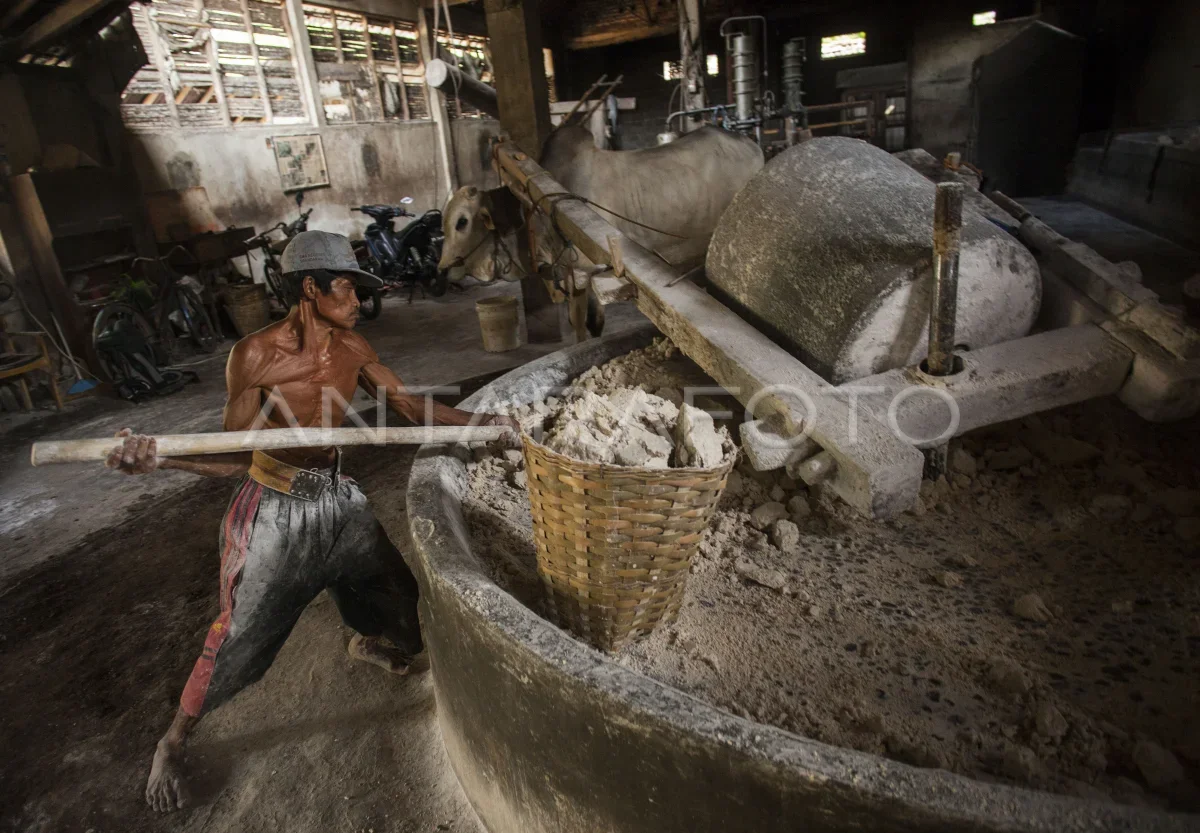
RRI.CO.ID, Yogyakarta - Researchers at the Food Technology and Process Research Center (PRTPP) of the National Research and Innovation Agency (BRIN) have identified Mi Lethek, a traditional noodle from Yogyakarta, as a highly effective alternative for healthy carbohydrate consumption.
Scientific analysis reveals that this cassava-based noodle contains 63 percent slowly digestible starch (SDS), a type of starch that the body processes at a much slower rate than conventional wheat noodles.
“The release of glucose into the blood occurs gradually, so it does not trigger a rapid spike in blood sugar,” explained PRTPP BRIN researcher Hermawan in a statement released on Thursday, April 16, 2026, as quoted by Antara.
The research highlights a significant difference in how Mi Lethek affects metabolic health compared to modern alternatives, specifically noting a lower glycemic index in the range of 68–69, which is considerably lower than instant wheat noodles that often exceed 80. These findings offer vital metabolic support by positioning the noodle as a "blood-sugar-friendly" option that is particularly beneficial for individuals at risk of metabolic diseases.
Furthermore, the product demonstrates cassava-based resilience as it is derived from dried cassava (gaplek), directly supporting national food diversification strategies through the use of a crop that is highly adaptive to the Indonesian environment.
Hermawan noted that the nutritional superiority of the noodle is inextricably linked to its traditional production methods. The process involves fermenting dried cassava, stone-grinding, repeated steaming, and natural sun-drying.
“This processing technique plays a role in forming a more complex starch structure, making it slower for the body to digest,” Hermawan said, adding that these ancestral methods have a profound impact on the product's nutritional quality.
By promoting Mi Lethek, BRIN aims to address broader economic and cultural goals. Utilizing local cassava help reduce Indonesia's heavy reliance on imported wheat, while further innovation through fortification with other local ingredients could enhance its nutritional profile even further.
“Mi Lethek is not just food, it is a part of history and culture. With a scientific approach, its potential can be harnessed to meet future healthy food needs,” Hermawan concluded.
The scientific validation of Mi Lethek represents a perfect intersection of cultural preservation and modern health science. By proving that "ugly" or "dull" noodles (as the name lethek suggests) are metabolically superior to refined wheat, BRIN is effectively rebranding traditional heritage as a high-performance functional food.
This shift is essential for destigmatizing local ingredients and positioning them as a premium choice for the health-conscious modern consumer.
Furthermore, the focus on SDS (slowly digestible starch) highlights a sophisticated understanding of nutrition that goes beyond simple calorie counting. Promoting a food source that prevents glucose spikes addresses a growing public health concern in Indonesia regarding diabetes and obesity.
By linking this health benefit to fermentation and stone-grinding, the research proves that traditional wisdom often holds the key to sustainable, healthy living in a world increasingly dominated by ultra-processed alternatives. ***
News Recomendation
Loading latest news.....