



Kicak Remains a Timeless Ramadan Culinary Icon in Kauman Yogyakarta
- 03 Mar 2026 21:43 WIB
- Voice of Indonesia
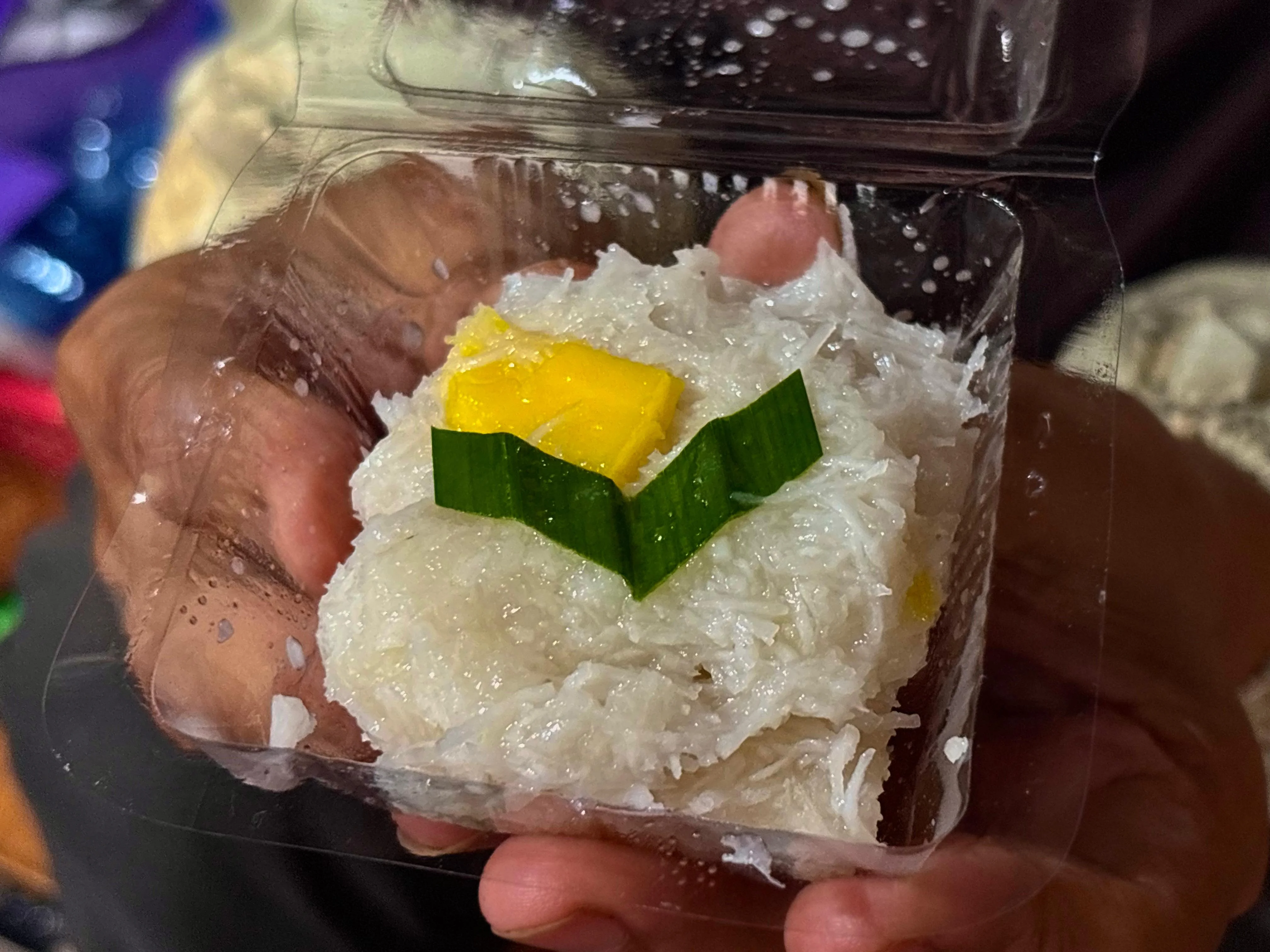
RRI.CO.ID, Yogyakarta - As Ramadan arrives, one of the most sought-after treats in Yogyakarta is Kicak, a traditional delicacy from Kauman Village that makes its appearance only during the holy month.
This sweet snack, made from glutinous rice, grated coconut, coconut milk, and infused with pandan aroma, offers a rich blend of sweet and savory flavors, often enhanced with slices of jackfruit. Each year, it can be found at the Kauman Ramadan evening market, drawing locals and visitors alike.
Kicak has been part of Yogyakarta’s culinary heritage since the 1950s. The glutinous rice-based cake was first created and popularized by Sujilah, affectionately known as Mbah Wono, a native of Kauman Village. She introduced it as a sweet takjil for breaking the fast, and her consistency in selling it every Ramadan has kept the tradition alive for generations.
That legacy is now carried forward by Eny, a 55-year-old Kauman resident and second-generation vendor whose mother also sold Kicak. Each Ramadan, she faithfully continues the family tradition at the Kauman evening market.
She explained that she makes all the Kicak herself, alongside other traditional snacks, but emphasized that Kicak remains the most popular among customers. “It’s sold during Ramadan because its sweetness makes it perfect for breaking the fast. Usually, I prepare around 30 packs of Kicak a day,” Eny said, on Tuesday, March 3, 2026.
Eny also pointed out that she is not the only vendor keeping the tradition alive. Out of the 60 stalls at the Kauman Ramadan evening market, several others also sell Kicak, with prices ranging between IDR 4,000 (USD 0,24) and IDR 5,000 per pack.
“What makes Kicak different now compared to the past is that before, the process was entirely homemade, while today the glutinous rice base is often purchased,” she revealed.
Despite these changes, her hope is that Kicak will continue to endure as a cultural staple. She expressed her wish that younger generations would learn to make it, ensuring that the tradition survives.
The enduring appeal of Kicak has even attracted prominent visitors. Recently, Titik Soeharto, a daughter of Indonesia’s second president and currently Chair of Commission IV of the House of Representatives (2024–2029), visited the Kauman market and purchased traditional snacks from Eny’s stall.
Among them were kopyor bread (soft bread filled with young coconut flesh) and mentuk cake (a chewy traditional cake made from rice flour and coconut), both of which remain popular alongside Kicak during Ramadan
Ratna, a resident of Mantrijeron Subdistrict, bought Kicak for the first time. She admitted she was curious about the snack after hearing it was unique to Kauman.
“I tried buying it because they say it’s only sold here. Usually, I buy modern viral snacks like dim sum, mochi, or mille crepes. This is also my first time visiting Kauman, since I usually go to the Jogokariyan Ramadan market. I was curious to try it,” Ratna shared.
Kicak is more than just a seasonal sweet, it is a living reminder of Yogyakarta’s culinary heritage and the resilience of local traditions. From the dedication of long-time vendors who continue family legacies to the curiosity of first-time buyers eager to taste something uniquely Kauman, the snack embodies both continuity and renewal.
As Ramadan markets grow busier with modern food trends, Kicak stands out not only for its flavor but also for the story it carries: a tradition passed down through generations, cherished by the community, and kept alive by those who believe that heritage should remain a part of everyday life. ***
News Recomendation
Loading latest news.....