



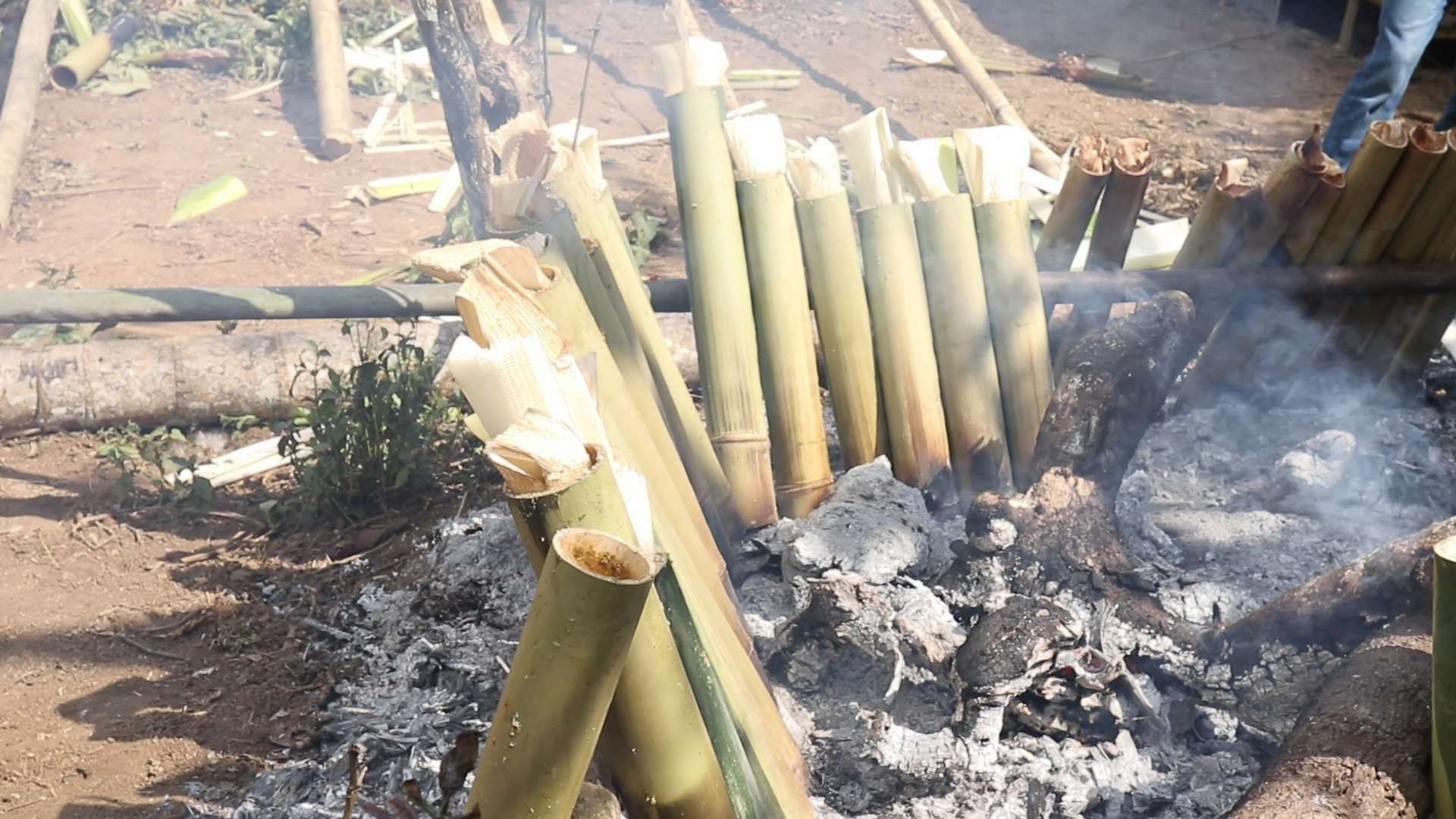
KBRN, Nagekeo: The people of Wolowea Village in the Nagekeo Regency of the East Nusa Tenggara Province have a unique way of preparing rice. Kose is a traditional method of cooking rice with meat or other ingredients in a bamboo container over hot coals.
Willy Lado, a resident of Wolowea Village, explained that kose is not just a cooking method, but rather a part of the community's social life. It is a symbol of togetherness, mutual cooperation, and local cultural identity.
"Kose has been around since our ancestors. We all participate in mutual cooperation," he said.
Selecting the right bamboo is crucial to the kose process. The indigenous community makes sure that the bamboo is neither too old nor too young, as picking the wrong bamboo can cause it to split during the fire and ruin the whole cooking process.
The rice is placed in the bamboo after the fire has turned to embers to ensure the heat is evenly distributed and the bamboo does not burn too quickly. To maintain flavor's quality, the inside part of the bamboo is lined with banana stems. A simple method that reflects local knowledge passed down through generations.
"If the fire is too high, the bamboo can burn quickly and the rice won't cook properly. That's why we wait until it's reduced to embers," he said.
The distinctive flavor of kose is further enhanced by the addition of traditional spices called sunga lea. Local spices like ginger and garlic are mixed directly into the rice before cooking, producing a natural, fragrant aroma that is characteristic of Nagekeo's kose.
Kose is not served daily, but rather at important occasions, such as traditional ceremonies, weddings, and welcoming guests of honor. This dish symbolizes respect and strengthens family ties within the community.
Kose has strong social and cultural significance beyond its culinary value. Its production process involves many people, reflecting the Nagekeo indigenous people's continued commitment to the spirit of togetherness and collective work.
As an intangible cultural heritage, kose is part of the Nagekeo community's identity and continues to be preserved amidst changing times. In Wolowea Village in the Nagekeo Regency, this tradition will remain alive as long as there are generations willing to preserve it together. (Misni Parjiati/Bambang MBKA)
News Recomendation
Loading latest news.....