


The Delicious Secret of Wadi Ikan, Dayak’s Fermented Culinary Tradition
- 05 Des 2025 14:13 WIB
- Voice of Indonesia
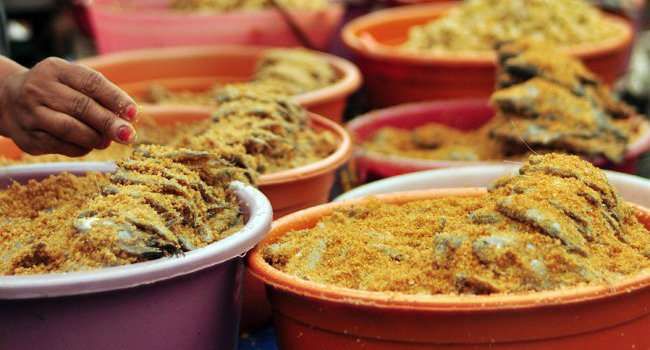
KBRN, Palangka Raya: When most people hear the word “fermentation,” they think of yogurt, cheese, tempeh, or kimchi, foods that are popular worldwide. Yet Central Kalimantan also boasts a legendary fermented delicacy: wadi ikan, or fish wadi.
This traditional Dayak dish is made with fermented fish, roasted rice, and spices. It has a savory, slightly sour taste and a distinctive aroma that becomes especially enticing when served warm with rice.
The tradition of preparing wadi dates back centuries. The Dayak people developed fermentation to preserve fish for long periods, particularly for communities living far from trading centers.
Passed down through generations, the practice has endured despite shifting culinary trends, underscoring the adaptive resilience of traditional foods.
The fish used for wadi typically come from Kalimantan’s rivers, which are rich in natural resources. Catfish, haruan, and snakehead are among the most common choices, each offering flesh well-suited to fermentation, resulting in wadi’s distinctive flavor and soft texture.
The preparation process is simple but requires precision. Cleaned fish are salted with butup or brick salt, never regular table salt, which can disrupt fermentation, before being mixed with samak, finely ground roasted rice.
The mixture is stored in a sealed container for about a week, until the natural fermentation aroma indicates the wadi is ready.
Wadi can be enjoyed in many ways. Some fry it like regular fish, while others sauté it with lemongrass for a fresh flavor. It can also be steamed in banana leaves, cooked in soup, or even eaten raw. These varied methods highlight wadi’s versatility in appealing to different tastes.
At Kantin Sayang, a small cafeteria near the Early Childhood Education Program at Palangka Raya University, wadi ikan is consistently popular. “It tastes really good. If wadi is in the cafeteria, I always buy it,” said Holy, a student, last month. Her enthusiasm reflects the enduring place of traditional cuisine in modern life.
Local food stalls and cafes are now experimenting with wadi, adapting it to contemporary tastes. Innovations include stir-fried wadi with spicy seasoning, wadi fried rice, and even wadi chili sauce. These creative variations show how culture thrives when passed down in relevant and inventive ways.
Wadi is more than just food. It embodies the identity and pride of Central Kalimantan’s people. Preserving it means keeping the fragrance of culture alive across generations. (Misni Parjiati/Lasti Martina)
News Recomendation
Loading latest news.....