



Halua Kenari Designated as Protected Cultural Heritage
- 22 Jul 2025 08:36 WIB
- Voice of Indonesia
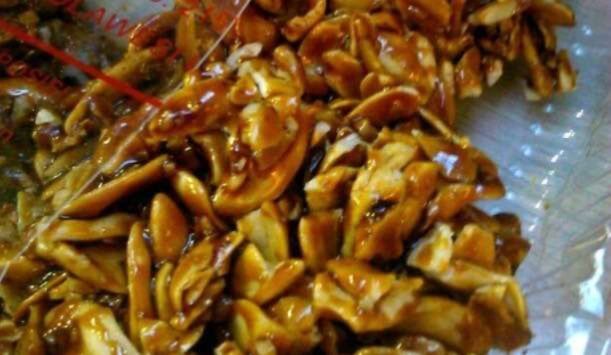
KBRN, Ternate: Halua Kenari, a sweet snack distinctive to Minahasa, North Sulawesi, has been officially recognized as a protected intangible cultural heritage by the Indonesian government through the Ministry of Culture.
Head of the North Maluku Regional Office of the Ministry of Law (Kemenkum), Budi Argap Situngkir said that based on information from the Directorate General of Intellectual Property (DJKI) of Kemenkum, various traditional knowledge of the North Maluku community receives legal protection, including Halua Kenari.
“Halua Kenari is categorized as traditional knowledge with a traditional method type,” he said on Monday, July 21, 2025.
Argap Situngkir explained that traditional knowledge refers to intellectual works in the field of knowledge and technology that contain characteristics of traditional heritage, produced, developed, and maintained by specific communities or societies.
"The protection of communal intellectual property, including traditional knowledge, aims to prevent exploitation by external parties, preserve cultural identity, and provide fair economic benefits to the communities as its owners," he added.
Halua Kenari is made from walnuts and palm sugar or coconut sugar. Its preparation involves cooking the walnuts with sugar until the mixture thickens and dries, then shaping it or pouring it onto banana leaves to harden before serving.
This snack boasts a sweet and savory taste with a distinct coconut aroma, offering a crispy yet soft texture. Beyond its delightful taste, Halua Kenari is also rich in plant-based protein from the walnuts, providing good nutritional value.
Typically, Halua Kenari is served during major religious holidays and thanksgiving events in Minahasa, especially by the Tonsea community. Besides being a ritualistic dish, it's also a popular and long-lasting souvenir.
Interestingly, Halua Kenari falls under the category of traditional skills, expertise, and crafts within the intangible cultural heritage framework. It serves as an important economic commodity for local artisan families in North Sulawesi.
Its traditional making passed down through generations, solidifying its role as a cultural identity that strengthens community bonds.
Argap Situngkir invited local governments, community groups, universities, and all relevant parties to collaborate in documenting the potential of communal intellectual property, such as traditional knowledge, cultural expressions, potential geographical indications, indications of origin, and more. ***
Translator: Naura Sofia
Editor: Bambang MBKA
News Recomendation
Loading latest news.....