



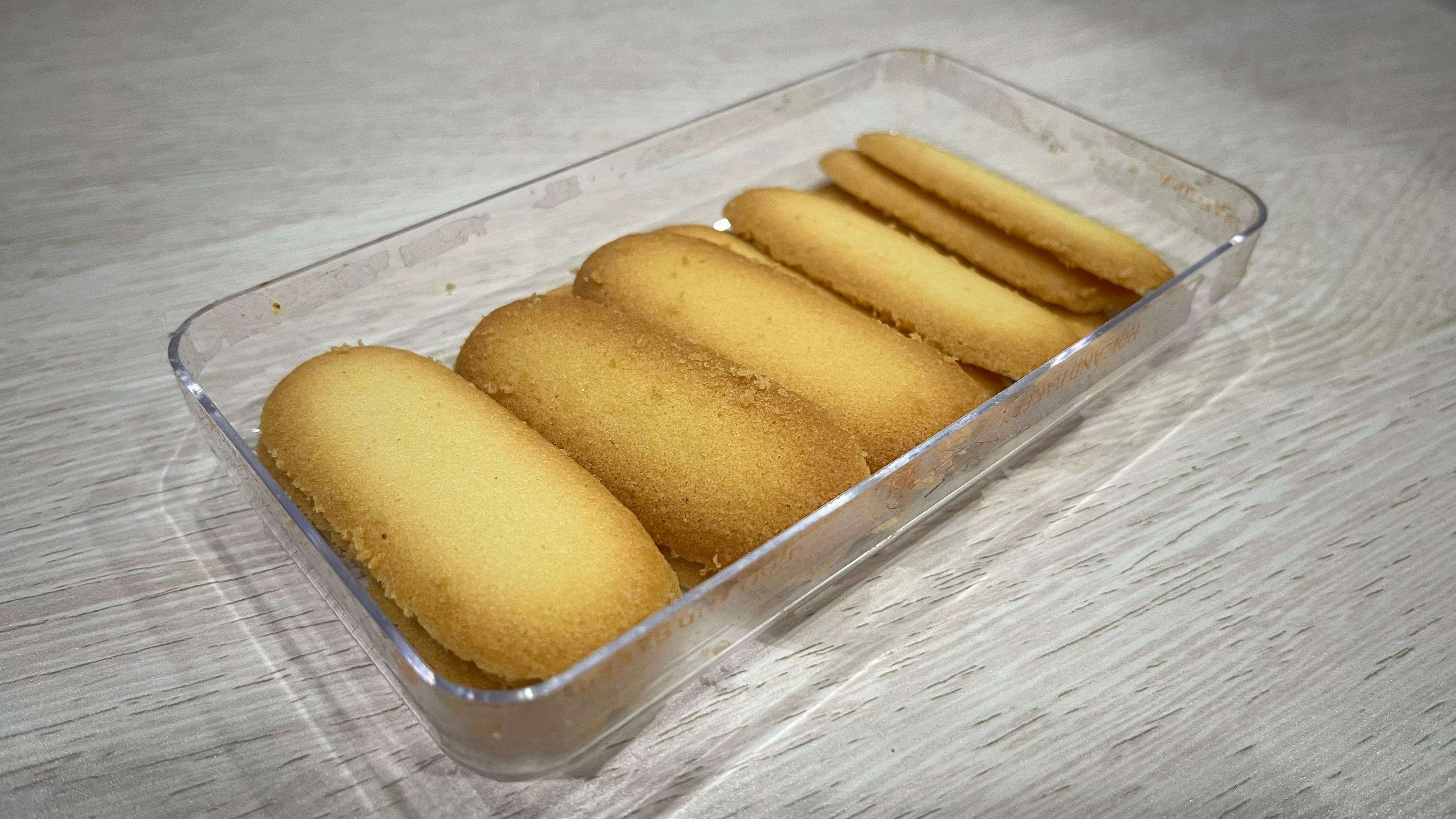
KBRN, Jakarta: Crispy, sweet, and delightfully addictive, lidah kucing or cat’s tongue cookies have become a signature treat during major Indonesian celebrations such as Eid al-Fitr, Christmas, and Lunar New Year. But behind every crunchy bite lies a little-known slice of colonial history.
These thin, buttery cookies were first introduced to the archipelago by the Dutch during their colonial rule. Known in Dutch as Kattentongen, meaning "cat’s tongues," the cookies were named for their long, flat shape that resembles—you guessed it—a feline's tongue. With their crisp texture, ease of preparation, and shelf-stability, they quickly became a festive favorite.
Prior to the Dutch era, traditional Indonesian desserts were typically made with rice flour, cassava, or sago. Wheat flour, a European staple, was unfamiliar until it was brought in by colonizers. It soon became the foundation of many adapted European-style baked goods, including the lidah kucing, which was adjusted to fit Indonesian palates.
As time passed, the term Kattentongen faded, replaced by the much simpler Indonesian translation: lidah kucing. This adaptation not only made pronunciation easier but also marked the cookie's integration into Indonesian culture.
Today, lidah kucing is more than just a snack. It’s a sweet symbol of Indonesia’s layered culinary heritage. What started as a colonial import has been lovingly transformed into a nostalgic bite of national identity, enjoyed during moments of celebration and togetherness.
From its Dutch roots to its place on modern Indonesian holiday tables, lidah kucing proves that food isn’t just about flavor—it’s a story of adaptation, memory, and cultural fusion.
News Recomendation
Loading latest news.....