



Indonesia Targets Machinery Production to Cut Import Reliance
- 05 Okt 2026 22:10 WIB
- Voice of Indonesia
Key Points
- Indonesia is mapping priority machinery to strengthen domestic manufacturing and reduce import dependence.
- Manufacturing growth is opening new markets for local machinery producers and industrial investment.
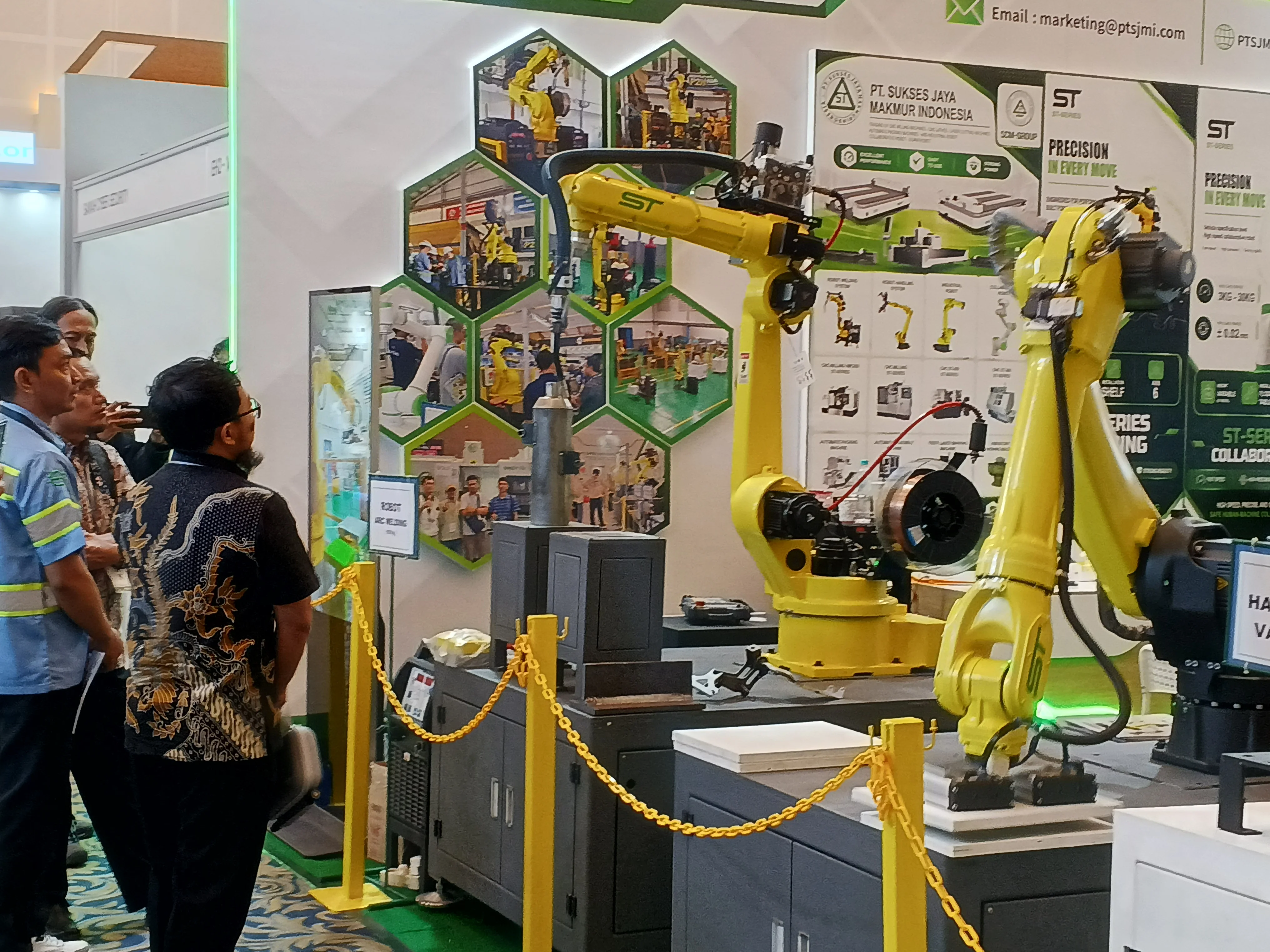
RRI.CO.ID, Jakarta – The Indonesian Ministry of Industry aims to increase domestic production of industrial machinery. This strategy is designed to strengthen the manufacturing supply chain and reduce dependence on imported machinery.
Director General of the Metal, Machinery, Transportation Equipment, and Electronics Industry (ILMATE) at the Ministry, Setia Diarta, said that strengthening the machinery industry is one of the key focuses in the Minister of Industry’s directives. The government will identify the most strategic machinery needs for domestic production.
The Ministry will conduct audits and reviews to determine which types of machinery should be prioritized for development. This mapping covers various industrial sectors, so that domestic machinery production can be directed toward the market’s greatest needs.
According to Setia, this agenda was discussed with the Minister in an evaluation of various current issues and the ILMATE sector’s priorities. “So that we can use our strengths to build machinery domestically,” Setia said in a statement in Jakarta on Monday, October 5, 2026, as quoted by Antara.
Once the audit is complete, the Ministry will compile a list of priority machinery to serve as the basis for developing the domestic machinery industry. This policy opens opportunities to increase the capacity of local manufacturers while shortening the machinery supply chain for end-user industries.
This initiative aligns with the performance of the non-oil and gas manufacturing industry (IPNM), which continues to grow at a rate exceeding that of the national economy. In the second quarter of 2026 (Q2 2026), the IPNM grew by 5.32 percent year-on-year (yoy), higher than the national economic growth rate of 5.29 percent.
The IPNM was also the largest contributor to growth, accounting for 0.97 percent during that period. This growth strengthens the domestic demand base for machinery in line with the need for production capacity expansion and industrial investment.
For businesses, the development of the national machinery industry has the potential to create new markets in the manufacturing sector while increasing local content in the production chain. The government will subsequently determine which machinery types to prioritize once the audit and review processes are complete. ***
News Recomendation
Loading latest news.....