



Danantara Advances Gas Network Plan to Boost Domestic Energy Use
- 30 Sep 2026 20:18 WIB
- Voice of Indonesia
Key Points
- Danantara Indonesia aims to reduce foreign exchange outflows through nationwide household gas networks.
- Pertagas prepares a master plan to expand gas infrastructure and reduce LPG imports.
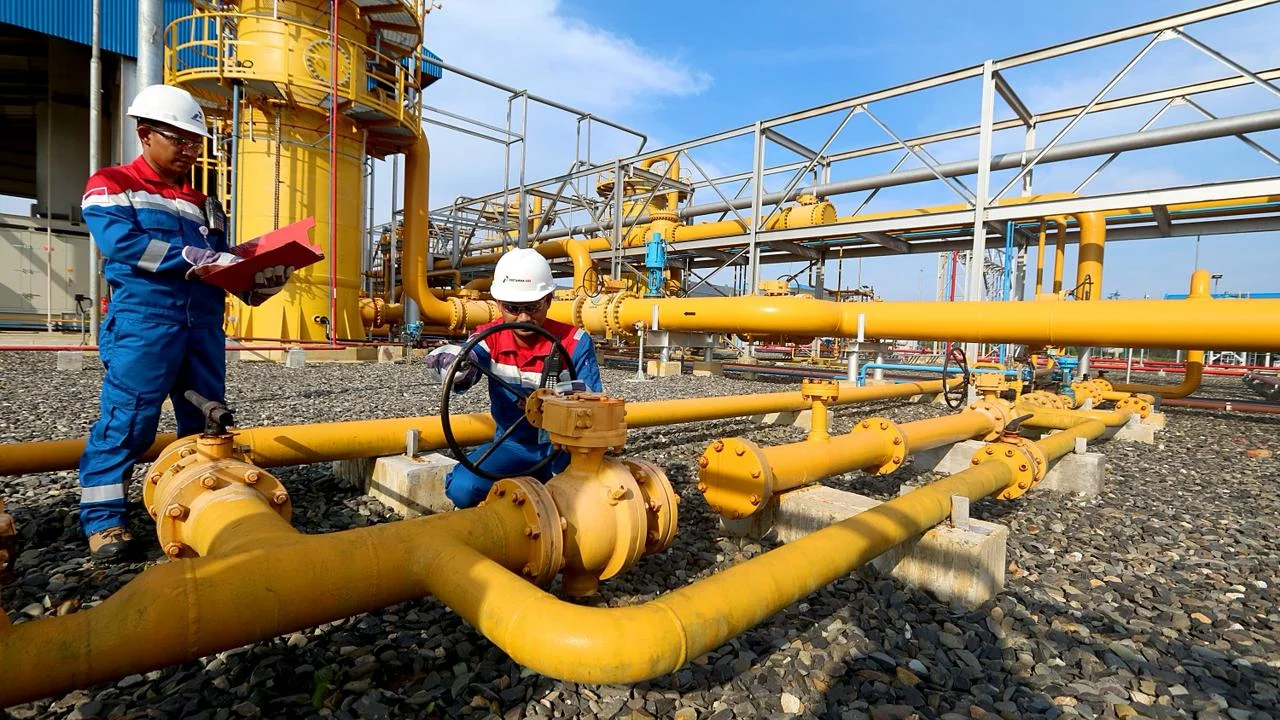
RRI.CO.ID, Jakarta - Danantara Indonesia and the State-Owned Enterprises Regulatory Agency (BP BUMN) are encouraging PT Pertamina Gas (Pertagas) to play a strategic role in developing a national gas network, particularly for household energy needs, as part of efforts to reduce LPG imports.
The gas network expansion is also expected to help lower energy subsidies and reduce foreign exchange spending on LPG imports.
“If we can achieve this in the future, I think Pertamina Gas will become an enabler for us to reduce energy subsidies and, furthermore, prevent a deficit in our foreign exchange outflow,” BP BUMN Head and Danantara Indonesia Chief Operating Officer (COO) Dony Oskaria said in an official statement in Jakarta on Wednesday, Sept. 30, 2026, as quoted by Antara.
According to Dony, strengthening the gas network is key to optimizing domestic gas use while reducing dependence on imported LPG.
“It all comes down to the gas network. This will be one of our priorities going forward. If we can make it happen, we will be able to save a substantial amount of foreign exchange that would otherwise be spent unnecessarily,” he said.
During a meeting with Danantara, Pertagas said it currently plays an important role in operating gas transportation networks across Java.
One example is the Cirebon-Semarang transmission pipeline, built by the Ministry of Energy and Mineral Resources with state budget funding before operational management was transferred to Pertagas through a tender process.
To strengthen that role, Pertagas has been tasked with preparing a national gas network master plan to guide future network expansion.
The master plan will outline overall development priorities, including infrastructure requirements, business models, and market development strategies.
Gas network expansion could begin in major cities such as Jakarta and Surabaya, based on infrastructure readiness and market demand.
A stronger national gas network is expected not only to increase domestic gas utilization but also to improve efficiency across Indonesia’s energy system.
With integrated infrastructure and appropriate market development, the gas network could become an important part of efforts to reduce reliance on imported LPG while easing the burden of energy subsidies. ***
News Recomendation
Loading latest news.....