



Bank Indonesia Intervenes as Rupiah Falls to IDR 18,000 per USD
- 29 Sep 2026 19:35 WIB
- Voice of Indonesia
Key Points
- Rupiah pressure intensifies as global risks, oil prices, and capital outflows weigh on the currency.
- BI deploys market interventions and monetary tools to stabilize the rupiah and maintain liquidity.
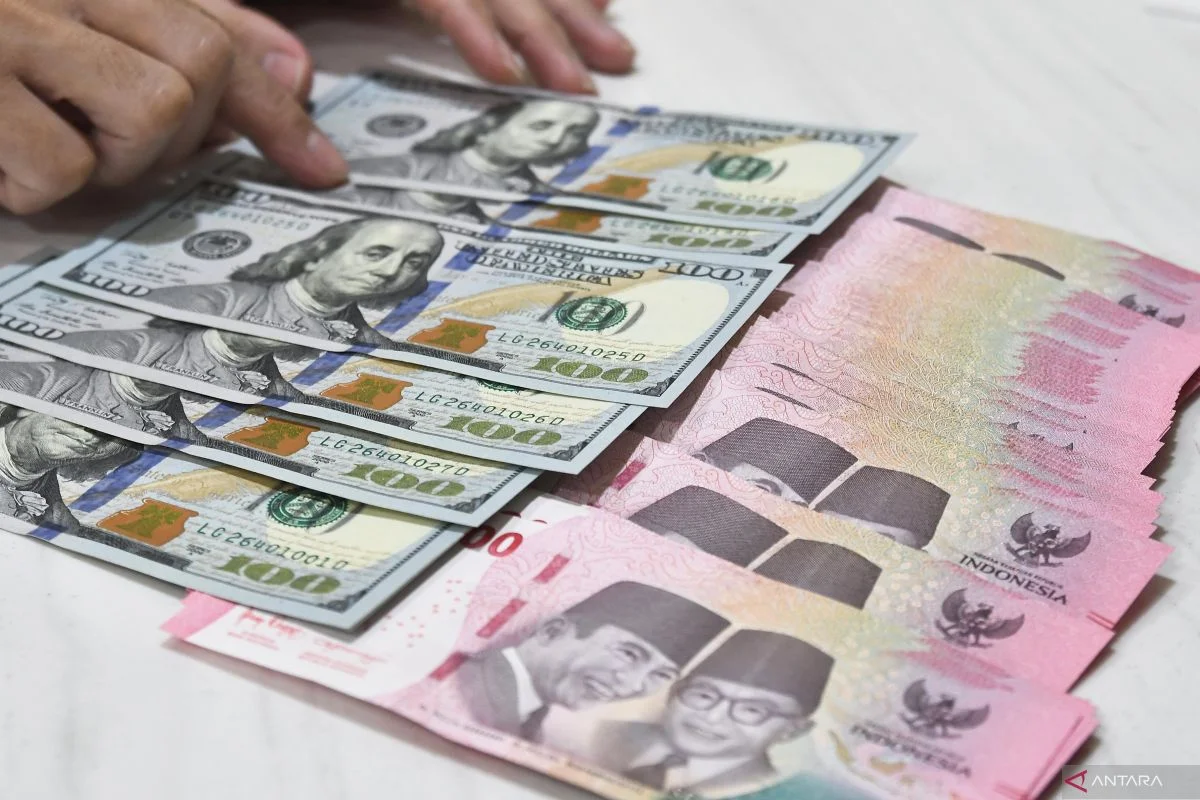
RRI.CO.ID, Jakarta - Bank Indonesia (BI) said the rupiah’s depreciation, which briefly pushed the currency to IDR 18,000 per US dollar on Tuesday, Sept. 29, 2026, was driven by persistent concerns over global inflation and fiscal risks.
The concerns have intensified alongside rising oil prices, which climbed above USD 108 per barrel amid the absence of an agreement on reopening the Strait of Hormuz.
“This has fueled expectations of further tightening of US monetary policy, causing the yield on the 10-year US Treasury note to rise again to 5.23 percent, its highest level since 2007,” said BI’s Monetary and Securities Asset Management Department Head Erwin Gunawan Hutapea in a statement in Jakarta on Tuesday.
According to Erwin, pressure on the rupiah was also driven by importers’ demand for foreign currency ahead of the end of the third quarter, as well as capital outflows from emerging-market assets amid rising bond yields.
He said BI continues to remain active in the market to ensure that market mechanisms function properly and that rupiah stability is maintained in line with economic fundamentals.
To stabilize the currency, BI will continue conducting interventions through Non-Deliverable Forward (NDF) transactions in offshore markets, as well as spot and Domestic Non-Deliverable Forward (DNDF) transactions in the domestic market. The central bank is also purchasing government securities (SBN) in the secondary market.
In addition, BI is managing money-market interest rate structures through a strengthened pro-market monetary operations strategy.
The effectiveness of exchange-rate stabilization is also being reinforced by increasing incentives for swap and DNDF hedging instruments to support foreign funding activities and ensure adequate liquidity in the financial system.
“We continue to coordinate and communicate intensively with corporations and market participants,” Erwin said.
Despite recent volatility, Erwin noted that the rupiah’s performance remains broadly in line with regional currencies, having weakened by only 0.67 percent on a quarter-to-date basis.
Meanwhile, Indonesia’s foreign exchange reserves increased to USD 146.5 billion at the end of August 2026. ***
News Recomendation
Loading latest news.....