



Indonesia Limits Textile Imports to Protect Local Industry
- 31 Agt 2026 19:17 WIB
- Voice of Indonesia
Key Points
- The Ministry of Industry stated that regulations on TPT imports are intended to maintain a balance between supply and demand.
- An influx of imported products can suppress demand for local goods and reduce national industrial production.
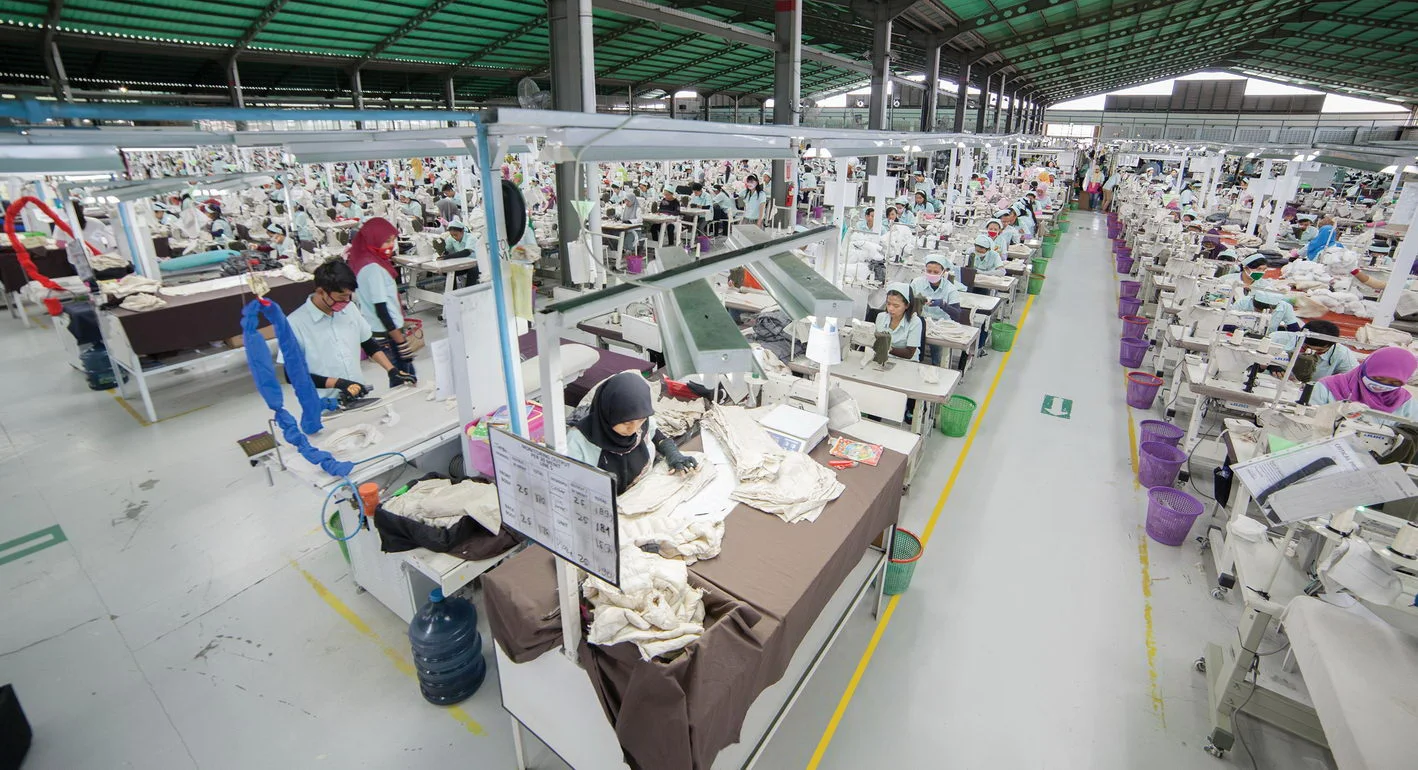
RRI.CO.ID, Jakarta – The Indonesian Ministry of Industry has confirmed that imports of textiles and textile products (TPT) remain under control. Ministry spokesperson Febri Hendri Antoni Arif said that import regulations are designed to maintain a balance between supply and demand.
“In principle, the Ministry maintains the supply‑demand balance: how much domestic demand there is and how much capacity the domestic industry has to meet that demand,” Febri said in Jakarta on Monday, August 31, 2026, as quoted by Antara.
He explained that imports should ideally only cover needs that the domestic industry cannot meet. For example, if market demand reaches 100 and domestic production is only 80, then the required imports would be 20.
“If imports were simply liberalized, the domestic market would be overwhelmed by imported products,” he said.
An influx of imported goods can suppress demand for local products and reduce national industrial output. “That is why the Ministry of Trade and the Ministry of Industry should use the instruments of bans and restrictions (lartas) to control the supply‑demand balance,” Febri said.
The Ministry is also encouraging the public to purchase textile products manufactured by domestic industries, including premium‑category or luxury items.
According to Febri, using local products keeps economic value circulating within Indonesia, generating corporate profits, tax revenue, and job security for workers in the manufacturing sector.
“When we buy local products, we’re helping our fellow citizens who work in the domestic manufacturing industry keep their jobs and support their families,” he said.
Febri emphasized that the Ministry will safeguard opportunities for domestic industries as long as both finished goods and intermediate goods can be produced domestically. Import‑regulation policies, he said, are designed to ensure that domestic industries continue to have room to grow. ***
News Recomendation
Loading latest news.....