



BI Records USD 1.8 Billion in Foreign Portfolio Investment Inflows
- 20 Agt 2026 11:07 WIB
- Voice of Indonesia
Key Points
- The net foreign inflows reached USD 1.8 billion as of August 14, 2026, primarily driven by the issuance of government global bonds, as well as inflows into SBN and SRBI.
- Indonesia’s foreign exchange reserves stood at USD 145.3 billion at the end of July 2026.
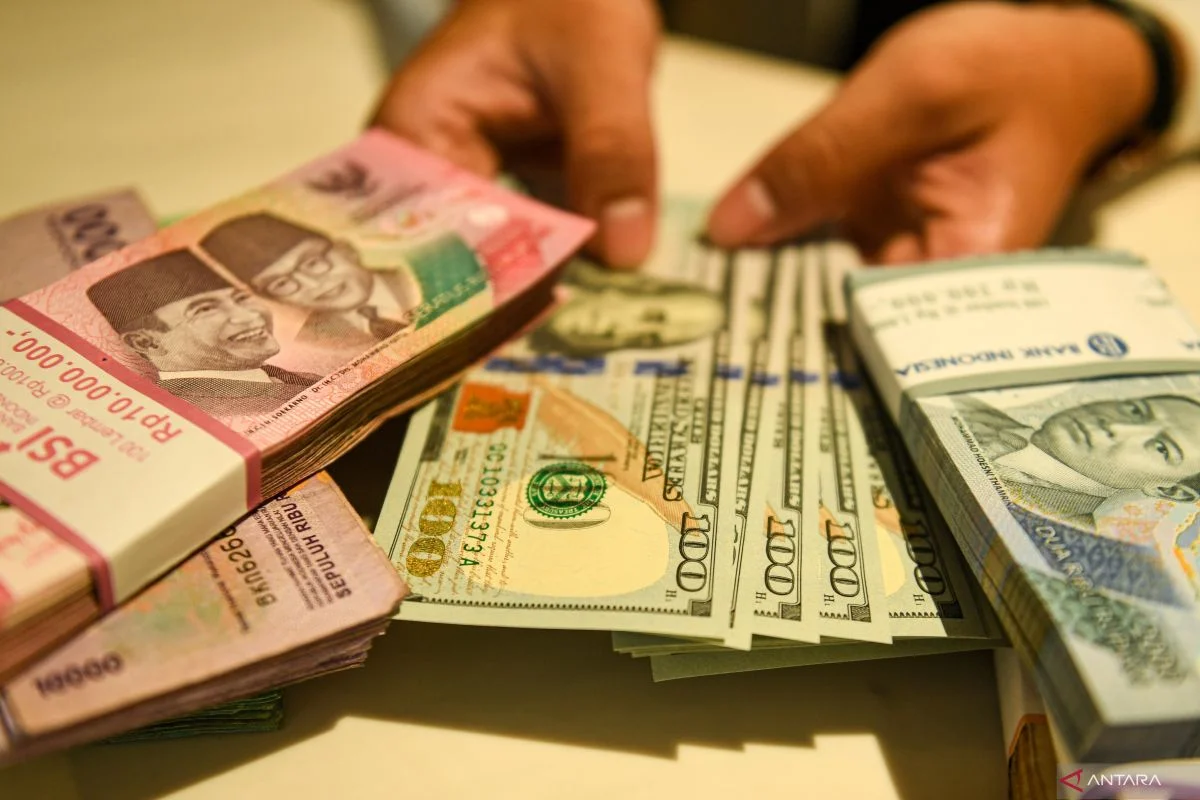
RRI.CO.ID, Jakarta - Bank Indonesia (BI) reported that net foreign portfolio inflows reached USD 1.8 billion as of August 14, 2026. These inflows were supported by the issuance of government global bonds, as well as increased investment in Government Securities (SBN) and BI Rupiah Securities (SRBI).
Acting BI Governor Destry Damayanti said the inflows have strengthened Indonesia’s external resilience. “Looking ahead, BI expects external resilience to remain strong, supported by coordinated government and BI policies to navigate global volatility,” Destry said in a statement in Jakarta on Wednesday, August 19, as quoted by Antara.
External resilience is also supported by trade performance and foreign exchange reserves. Cumulatively, Indonesia’s trade balance for January–June 2026 recorded a surplus of USD 3.58 billion, despite a USD 0.45 billion deficit in June.
Meanwhile, foreign exchange reserves at the end of July 2026 stood at USD 145.3 billion, equivalent to financing 5.5 months of imports or 5.3 months of imports and government external debt payments.
This level remains above the international adequacy standard of around three months of imports, forming one of the pillars supporting Indonesia’s economy amid external volatility.
In terms of the exchange rate, the rupiah strengthened in line with BI’s stabilization measures. On August 18, the rupiah stood at IDR 17,855 per USD, up 0.78 percent on a point-to-point basis from its level at the end of July.
Destry said the recent developments reflect BI’s strategy to optimize monetary instruments and expand incentive policies to encourage foreign portfolio investment inflows and maintain rupiah stability, while accelerating the deepening of the money and foreign exchange markets (PUVA).
BI raised the incentive for selling hedging swaps to 12.5 percent and set a 15 percent incentive for selling hedging Domestic Non‑Deliverable Forwards (DNDF). BI also strengthened incentives for local currency transactions (LCT) with partner countries.
For LCTs, BI is offering a 10 percent premium for hedging buy swaps and reducing the premium for hedging sell DNDFs by 10 percent. These measures are expected to increase the use of local currencies and reinforce stability in the domestic foreign exchange market.
“BI will continue to implement various strategies to maintain rupiah stability. Going forward, the rupiah exchange rate is expected to remain stable, supported by BI’s responsive stabilization policies,” said Destry. ***
News Recomendation
Loading latest news.....