



BI Targets Youth Literacy Amid Digital Payment Booms
- 06 Agt 2026 16:15 WIB
- Voice of Indonesia
Key Points
- The rapid growth of digital transactions in Indonesia has pushed BI to strengthen financial literacy among the public.
- BI reported that the transaction volume for the QRIS reached 12.55 billion transactions in the first half of 2026.
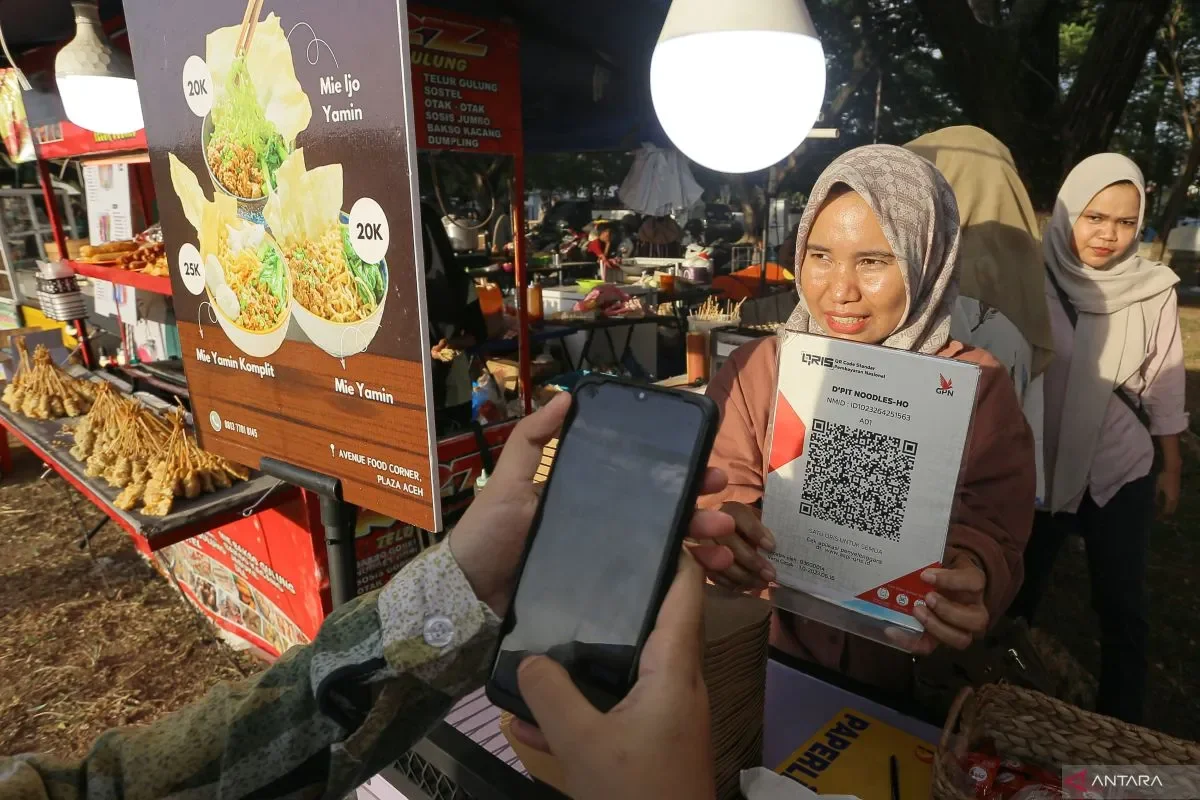
RRI.CO.ID, Jakarta – Indonesia’s younger generations are driving a surge in digital transactions, prompting Bank Indonesia (BI) to intensify financial literacy efforts to safeguard consumers against cybercrime risks.
Deputy Governor Filianingsih Hendarta, speaking at the Prima Executive Gathering 2026 in Bali, said rapid growth in payment digitalization demands equally strong security measures. Cyber threats such as card fraud and data breaches, she warned, pose real risks that could erode public trust and stall progress.
According to the 2025 Inter‑Census Population Survey, Indonesia’s population reached 284.67 million, with nearly 69 percent comprising Gen Z, millennials, and post‑Gen Z—groups up to age 44. Gen Z alone accounts for 24.93 percent, followed by millennials at 24.34 percent, while the youngest cohorts, Gen Alpha and Beta, have risen sharply to 19.65 percent.
These generations, raised on smartphones, social media, and online shopping, are increasingly abandoning cash. BI recorded 12.55 billion QRIS transactions in the first half of 2026, doubling from the same period in 2025. Transaction value reached Rp600.69 trillion, up 89.52 percent year‑on‑year.
To prepare for projected exponential growth in retail digital payments by 2030, BI is rolling out consumer protection and literacy programs aligned with its Payment System Blueprint 2030. The blueprint outlines five key initiatives: infrastructure, industry, innovation, international integration, and the Rupiah Digital.
Filianingsih added that building healthy connectivity between banks and non‑bank players is crucial to reduce risks from shadow banking. BI reaffirmed its commitment to ensuring reliability and security across both retail and large‑value payment systems. ***
News Recomendation
Loading latest news.....