



Indonesia Eyes Palm Oil Bioenergy Leadership with Russia and Eurasia
- 13 Jul 2026 12:06 WIB
- Voice of Indonesia
Key Points
- Indonesia has the potential to become a major player in palm oil bioenergy alongside Russia and Eurasia.
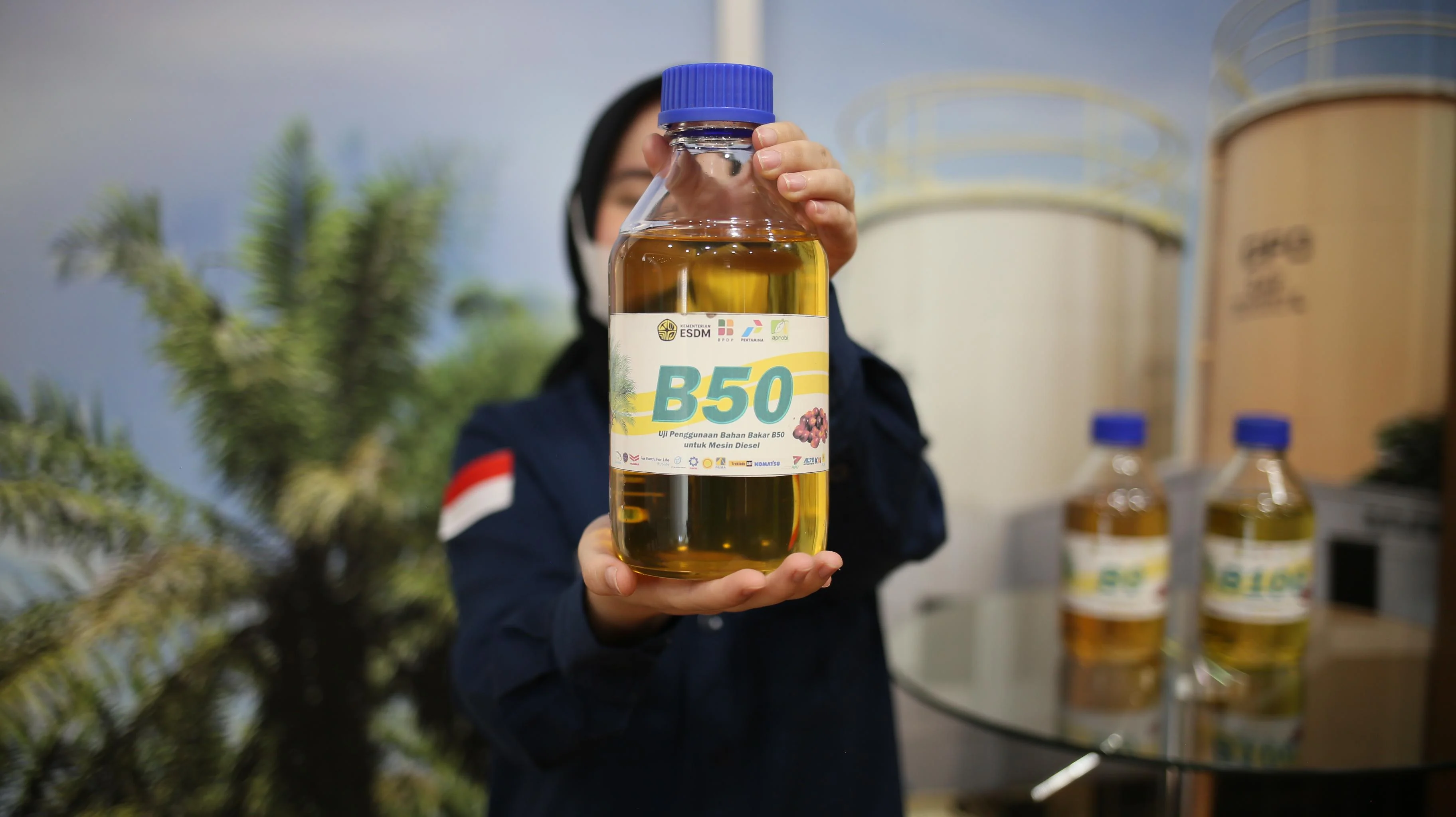
- Indonesia also introduced the mandatory B50 biodiesel program, which takes effect in July 2026 to support the global energy transition.
RRI.CO.ID, Jakarta – Indonesian Minister of Industry Agus Gumiwang Kartasasmita stated that Indonesia has the potential to become a leading player in palm oil–based bioenergy alongside Russia and the Eurasian region. He emphasized that innovation, downstream development, and international cooperation are turning the palm oil industry into a driver of economic growth and sustainable energy security.
"We want the palm oil industry to serve as a pillar of the national economy. Palm oil is also part of the solution for achieving energy resilience and sustainable industrial development," Minister Agus said on Monday, July 13, 2026.
Indonesia’s participation in the Indonesia-Russia Business Forum at INNOPROM 2026 is expanding market access for national industries through international collaboration. The forum opens opportunities for investment, trade, and technology partnerships with Russia and Eurasia.
Director General of Industrial Resilience, Regionalization, and International Market Access (KPAII), Tri Supondy, echoed the minister’s view, noting that Indonesia’s palm oil industry has moved beyond its role as a mere export commodity.
The government is now pushing for clean, sustainable energy while continuing to innovate through flagship national products. "We are showing that Indonesia is moving toward cleaner, more sustainable energy, while consistently innovating through leading industrial products," Tri said.
The forum gathered more than 100 industry leaders, government officials, business players, and visitors. Indonesia highlighted its mandatory B50 biodiesel program, which took effect in July 2026 to support the global energy transition.
The policy requires diesel fuel to contain 50 percent palm oil–based biodiesel, reducing reliance on imported fossil fuels, strengthening national energy security, and cutting carbon emissions.
Indonesia also showcased sustainability initiatives in the palm oil sector, including plantation rejuvenation, workforce development, biodiesel technology, and the Indonesia Plantation Fund. The Indonesian Sustainable Palm Oil (ISPO) certification is being reinforced to boost competitiveness in global markets.
The Palm Oil Plantation Fund Management Agency (BPDPKS) pledged financial support for these programs. Director Pangihutan Siagian said funding will cover the entire value chain, from upstream to downstream. "This includes smallholder plantation rejuvenation, human resource development, as well as research and innovation," he explained.
"We also support infrastructure development to strengthen the competitiveness of the palm oil industry across the supply chain," he added.
The business forum also advanced Indonesia’s economic cooperation with Russia through the completion of the Indonesia-EAEU Free Trade Agreement. Through bioenergy collaboration, Indonesia is reinforcing industrial partnerships, investment, technology transfer, and expanding market access for national manufacturing products. (Gusti Panji)
News Recomendation
Loading latest news.....