



Key Points
- Indonesian government prepares incentives for 100,000 electric cars and 100,000 electric motorcycles by 2026.
- Tax reductions prove effective, with Government‑Bearing VAT and Luxury Goods Sales Tax cuts boosting domestic sales and EV market growth.
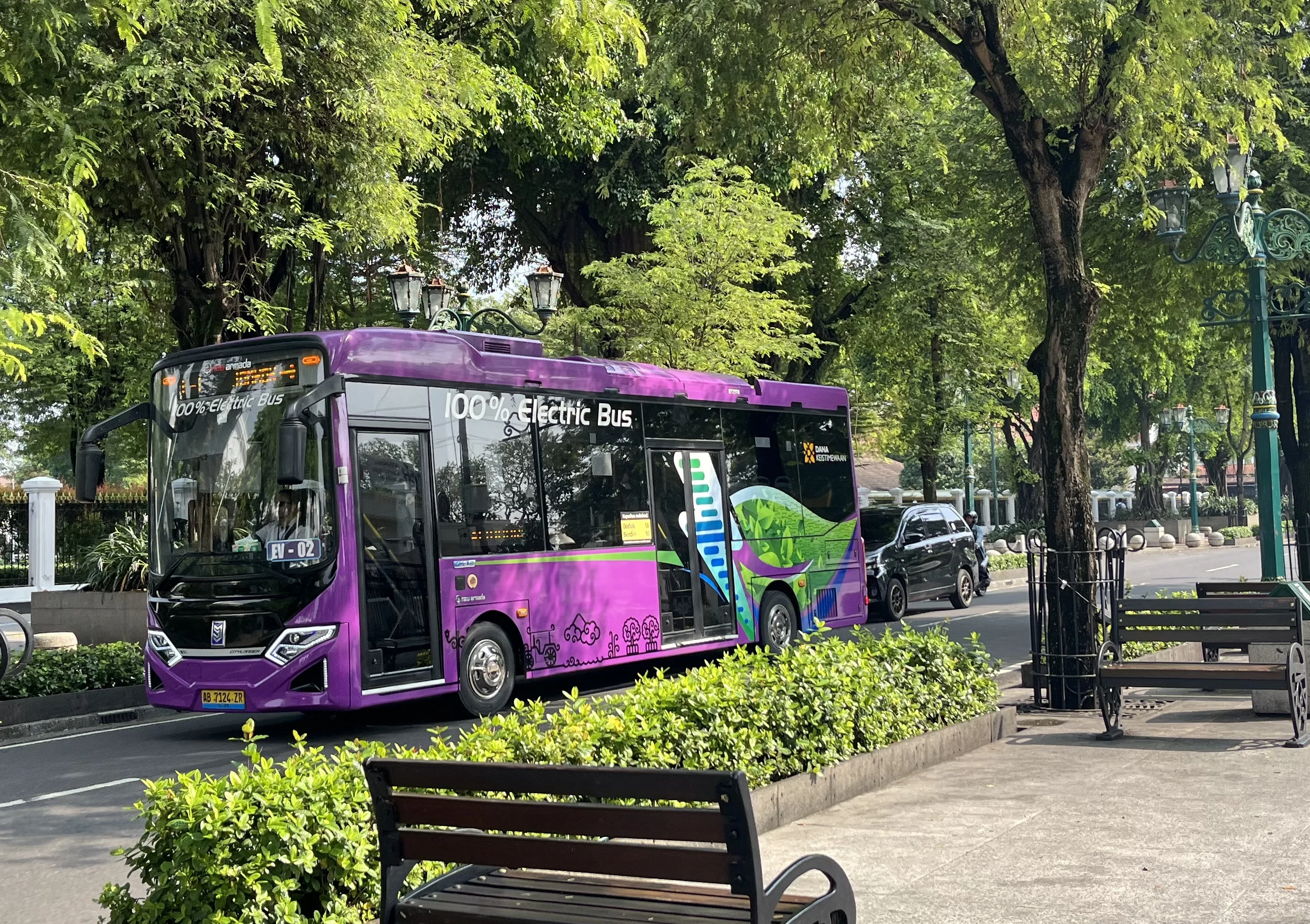
RRI.CO.ID, Jakarta - The electric vehicle (EV) incentives currently being prepared by the Indonesian government are expected to accelerate growth in the national automotive market and encourage wider adoption of eco‑friendly vehicles.
Executive Director of the Institute for Development of Economics and Finance (INDEF), Esther Sri Astuti, said the effectiveness of the program -- scheduled to begin in July 2026 -- can be measured against the success of similar stimulus schemes in the past. Increases in domestic sales and expansion of the EV market are considered key indicators.
“Incentives such as reductions in the Government‑Bearing Value‑Added Tax (PPN DTP) and the Sales Tax on Luxury Goods (PPnBM) have proven highly effective in triggering demand. The EV market recorded growth of up to 152 percent during the stimulus period,” Esther said in Jakarta on Tuesday, June 23, 2026, as quoted by Antara.
Data from the Association of Indonesian Automotive Industries (Gaikindo) shows that sales of battery‑electric vehicles in the first quarter of 2026 reached 33,150 units, a 95.9 percent increase compared with the same period last year.
As of April 2026, the electric bus fleet stood at 798 units. Meanwhile, the number of electric motorcycles in February 2026 reached 236,451 units, accounting for about 65 percent of the national EV fleet.
Esther noted that these achievements demonstrate how fiscal incentives can accelerate the transition to EVs while strengthening the green‑technology‑based automotive market.
“The adoption of new EVs has a positive impact on reducing carbon emissions in urban areas, including operational regions such as Semarang. However, this effectiveness still depends heavily on the energy sources of the power plants supplying the charging infrastructure,” she said.
She added that the government needs to encourage the EV industry to meet the 40 percent Domestic Component Level (TKDN) standard. Strengthening the local supply chain and reducing imports are considered crucial to maximizing the economic benefits of the EV industry for the national manufacturing sector.
Finance Minister Purbaya Yudhi Sadewa previously stated that the government is preparing incentives for 100,000 electric cars and 100,000 electric motorcycles by 2026. For motorcycles, the subsidy is estimated at IDR 5 million (around USD 280) per unit.
However, the implementation of the electric motorcycle incentive has been postponed for one month. Coordinating Minister for Economic Affairs Airlangga Hartarto said the delay was due to the government’s ongoing review and finalization of the program’s mechanisms. ***
News Recomendation
Loading latest news.....